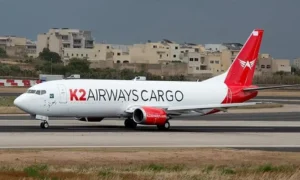
K2 Airways Boeing 737 Cargo Plane Vanishes from Radar over Arabian Sea with Five Crew Members on Board
A K2 Airways Boeing 737 cargo plane with five crew members on board vanished from radar over the Arabian Sea, west of Karachi.

A K2 Airways Boeing 737 cargo plane with five crew members on board vanished from radar over the Arabian Sea, west of Karachi.
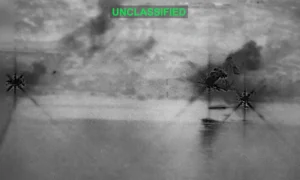
The US struck over 80 targets in Iran and revoked its oil licence after three tankers were hit by projectiles in the Strait of Hormuz.
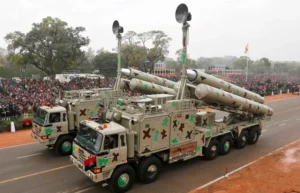
India is selling the Astra missile on the strength of Operation Sindoor; the operation’s actual air record makes that a difficult pitch.
Pakistan’s briefing signals a potential policy shift toward an aggressive, ideologically-driven posture, moving toward confrontation.
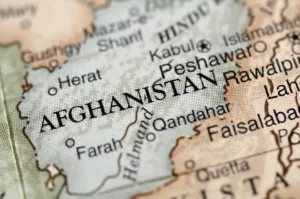
A Tajik historian says Afghanistan’s 1947 vote against Pakistan’s UN membership turned much of the Islamic world against Kabul from the start.
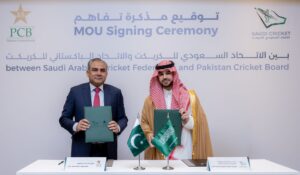
PCB and Saudi Arabia’s Cricket Federation signed an MoU to build a state-of-the-art international cricket stadium in Jeddah.
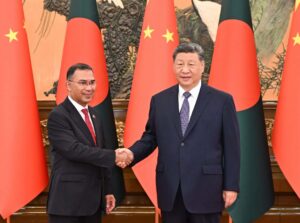
China agreed to support the Teesta project that India failed to resolve in 15 years; delivery is now what matters more than promises.
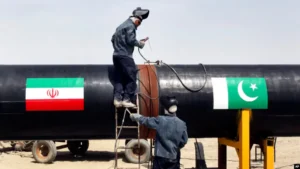
Iran completed its section over a decade ago, whereas Pakistan has not started its 80 km stretch; the Geneva MOU just removed the main obstacle.

The Rs 18.77 trillion budget brings real relief for salaried workers, the poor, and the informal sector; real context is in the numbers.
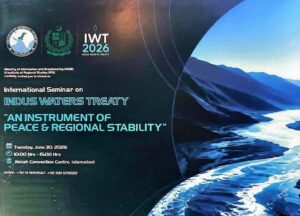
Pakistan’s Indus Commissioner said he wrote to his Indian counterpart four times over Chenab River fluctuations since April, with no reply so far.
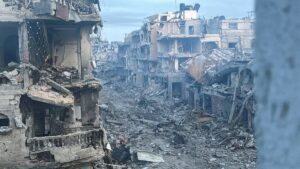
Modern conflict is turning territories into apocalyptic wastelands by dismantling the systems that sustain human life.
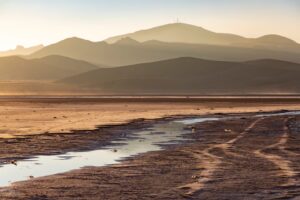
As global demand outpaced supply, water bankruptcy threatens food security, social stability, and the very survival of humanity.
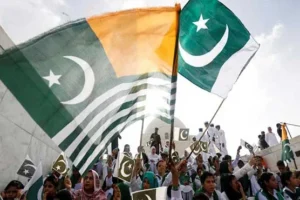
The day the refugee seats issue was resolved, rivers of milk were promised, what arrived instead was the ruin of three tourism seasons.
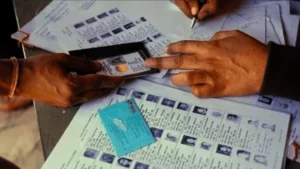
In West Bengal’s Nandigram constituency, 95% of deleted voters were Muslim, though the community comprises only 25% of the electorate.
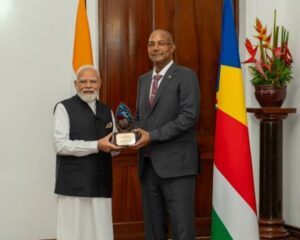
Modi’s “Guardian of the Blue Horizon” award was created just three days before his Seychelles visit, with him as its sole recipient.
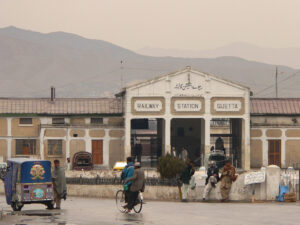
Balochistan is not Pakistan’s wound to confess; it is Pakistan’s target to defend, on the ground and in the global information space.
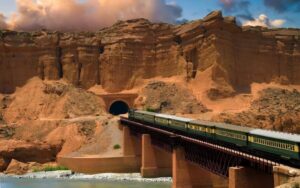
Most of the terrorists killed in Balochistan in 2026 were Afghan nationals; their weapons were foreign, and their orders came from further away.
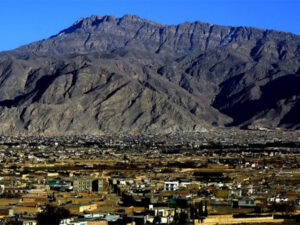
The TTP, long associated with Khyber Pakhtunkhwa’s tribal belt, is now conducting operations deep inside Balochistan.
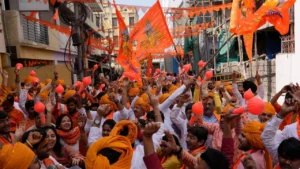
The primary victim of this political project is the ethical and philosophical integrity of Hinduism itself.
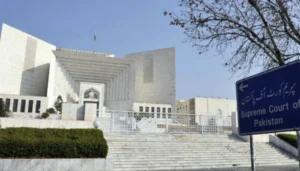
The Supreme Court ruled acid attacks worse than murder. Days earlier, a doctor was attacked in Quetta’s largest hospital during her shift.
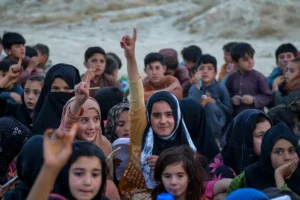
Afghanistan’s Decree No. 18 says a girl’s silence at puberty can be interpreted as consent to marriage.

Reach for the skies but keep your feet on the ground, and learn a skill so that you’ve got something to fall back on.

Sometimes sport can open doors that diplomacy cannot; a force bigger than politics and a bridge connecting hearts.
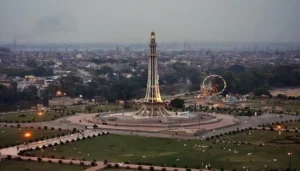
March 23rd is not merely a date on a calendar; it is the intellectual and political bedrock upon which the state was built.
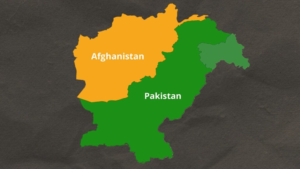
Amnesty’s statement that it did not find evidence describes the limits of its own inquiry; it does not disprove Pakistan’s intelligence.
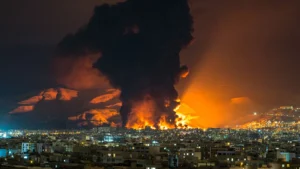
Direct US military spending has reached $42 billion, while the economic disruption from Hormuz is costing the world $2.2 trillion annually.
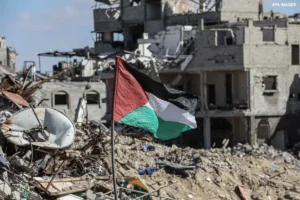
Iran’s foreign minister told Hamas officials he is addressing Gaza in talks with the US; the Trump administration has stayed silent on it.