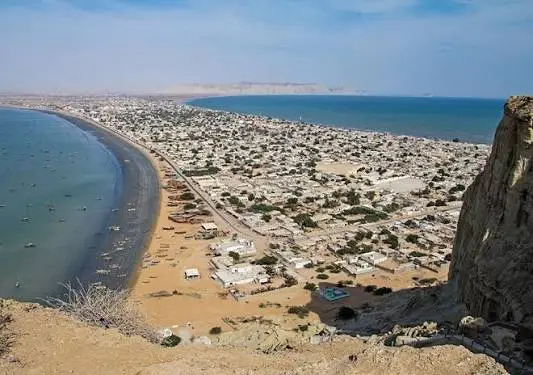
The Iran-Pakistan gas pipeline, also called the Peace Pipeline, has one of the more unusual histories in regional infrastructure. Iran completed its section over a decade ago. Pakistan inaugurated construction in March 2013, then stopped. The 80 km stretch from Gwadar to the Iranian border, Pakistan’s entire contribution to a 1,700-mile project, was never built. For 13 years, Iran’s completed pipeline sat at the border waiting for Pakistan to connect it. Washington’s sanctions were the stated reason Pakistan held back. Those sanctions are now lifting under the Geneva MOU signed on June 18.
The US Treasury has issued immediate waivers for Iranian crude exports, petroleum products, and all associated banking and transportation services. The 60-day window for the final deal is being negotiated with a broader sanctions structure. For the first time since 2012, Pakistani energy planners can assess the IP pipeline without the immediate threat of American penalties. Pakistan has previously asked for a waiver from the United States on the pipeline project. Washington refused. That refusal is now functionally reversed by the MOU, even before a permanent framework is agreed upon.
The energy case for the pipeline is straightforward. Pakistan is importing about 85% of its oil and gas requirements. During the 110-day Iran war, the Strait of Hormuz closure halted energy flows to Pakistan. LNG supplies from Qatar stopped when LNG facilities came under attack. Oil installations in the UAE, Kuwait, and Saudi Arabia were hit. Pakistan’s entire import-dependent energy supply chain was exposed as a single point of failure. A pipeline from Iran bypasses Hormuz entirely. It does not go through the Strait. It is not reliant on LNG terminals. It directly transports gas from the South Pars field to the grid of Pakistan via Balochistan. The war proved why that matters.
The pipeline would deliver 750 million cubic feet of gas daily, targeted at Pakistan’s power sector. Fuel shortage has been a perennial issue for Pakistan’s power producers, resulting in load shedding. Dedicated pipeline gas fills this void by using a structure, rather than spot purchases at international market rates. Iran has extended the gas sale agreement for another decade and is ready to proceed. The supply side is not the problem.
What Pakistan Must Now Decide
The obstacle has always been on Pakistan’s side. Pakistan put forward new terms, such as a reduction in gas volume and rates, emphasizing the need for sanction removal for progress. This relief has now become available in an interim form. Whether Pakistan treats the MOU waiver as sufficient to begin construction or waits for a permanent final deal to lock in the legal environment before committing is the decision Islamabad faces in the next few weeks.
In early 2024, Pakistan started work on an 80 km stretch on its own land, defying pressure from the United States. That work was modest in scope and slow in pace. The Geneva MOU eliminates the sanctions risks involved in the financial and legal side of large-scale construction for Pakistani contractors, banks, and insurance companies. A Chinese company had previously expressed interest in building the pipeline, but sanctions remained a hurdle. That hurdle is now significantly lower.
The penalty risk also changes. Iran threatened to move a case for $18 billion in penalties to the International Court of Arbitration in 2024 over Pakistan’s failure to construct its section. Pakistan hired law firms to contest the case. Given the new diplomatic climate, in which the bilateral relationship between both sides is more stable than ever in recent years, the penalty issue should be settled through negotiation and not by arbitration. Iran has more interest in getting its pipeline built than in winning a legal case.
The proposed Gwadar oil refinery, with a production capacity of 400,000 barrels, also sits in this new environment. If the refinery proceeds alongside the pipeline, Gwadar becomes not just a port but a full energy hub, processing Iranian crude, supplying the domestic market, and potentially re-exporting refined products through CPEC corridors. The CPEC logic and the IP pipeline logic point to the same geography and the same strategic rationale.
The 13 years of not investing in pipe construction have cost billions of dollars in energy import bills, LNG price exposure, and reliance on maritime chokepoints, which were proven to be vulnerable during one war. The Geneva MOU did not construct the pipeline. It eliminated the one most formidable impediment to its construction. The construction will begin before the 60-day deadline for the final deal is over, or after the removal of permanent sanctions, which will show Islamabad’s intention to make a diplomatic victory an energy security victory.

Our Editorial Desk is the intellectual engine of Digital Debate, responsible for the rigorous research that anchors every conversation. Our team deep-dives into data, checks every source, and consults academic literature to move beyond headlines and identify the questions behind the questions.