The Taliban’s Five Lost Years
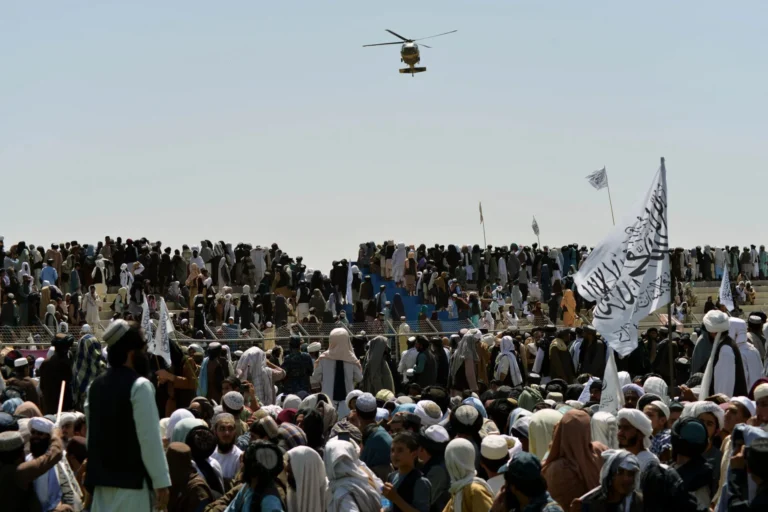
Five years after seizing Kabul, the Taliban still governs a fractured state recognized by only one country in the world.

Five years after seizing Kabul, the Taliban still governs a fractured state recognized by only one country in the world.

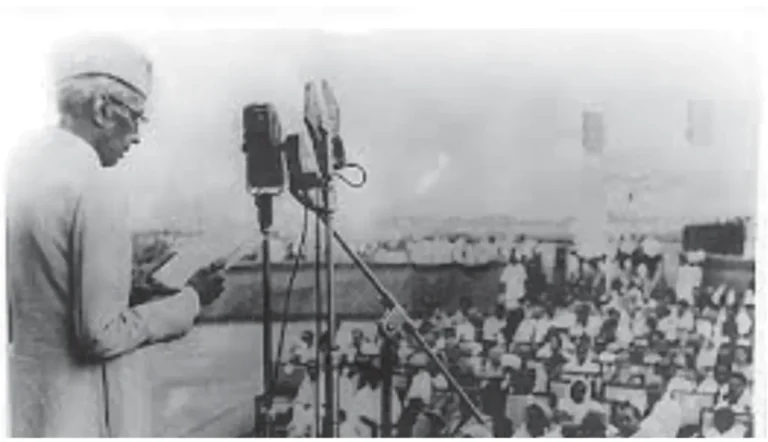
The part of the story that never makes it into the textbooks. A year before Partition, the League accepted a constitution with no Pakistan in it.

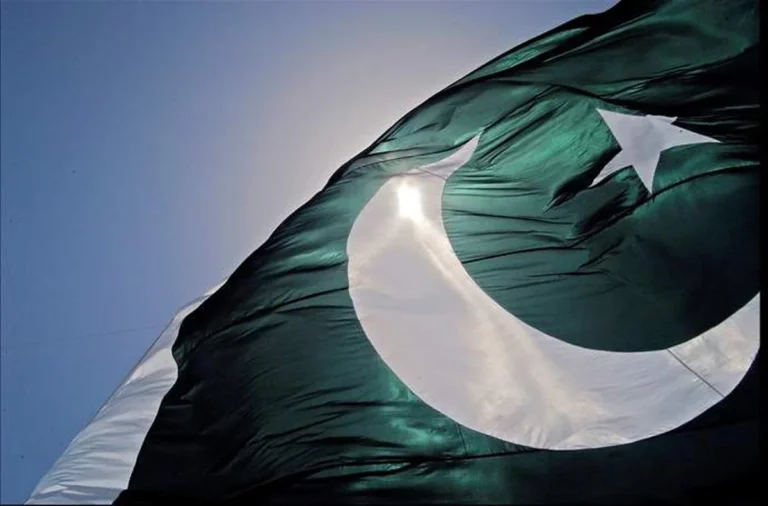
Pakistan enters its 80th year as a country that brokered a global peace deal, won two international legal cases, and proved its military worth.

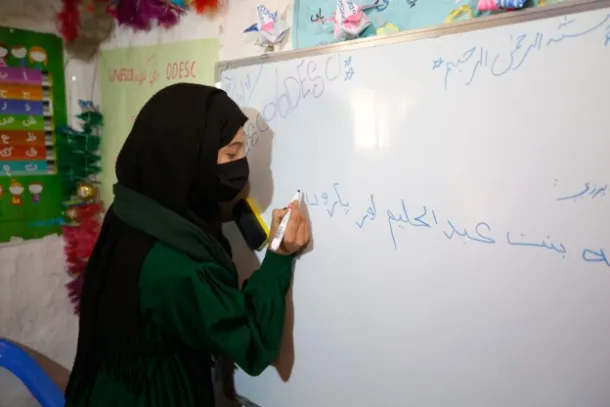
The number of girls deprived of secondary school has grown by 200,000 since last year’s count and could approach four million by 2030.

Political elites block local government because it takes away their power to issue tickets; that is the whole story.

The Taliban leader has issued decrees prohibiting torture, five years on, not one de facto institution has published a single case outcome.

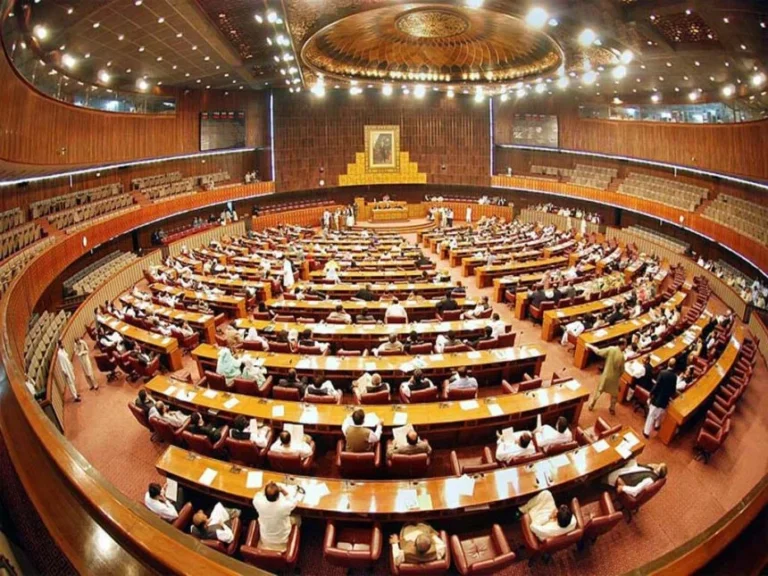
A mechanism built to widen who gets represented has, instead, drawn an ever-tighter circle around a handful of provincial capitals.

A state does not sustain a single strategic conviction across sixteen prime ministers and three generations of citizens unless validated by events.

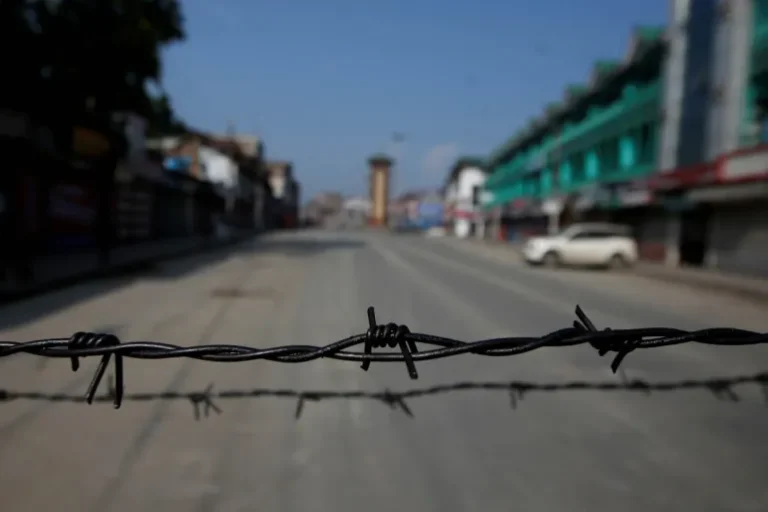
Seven years on, those unlawful measures have neither changed the legal status of Jammu and Kashmir nor weakened the legitimate aspirations of its people.

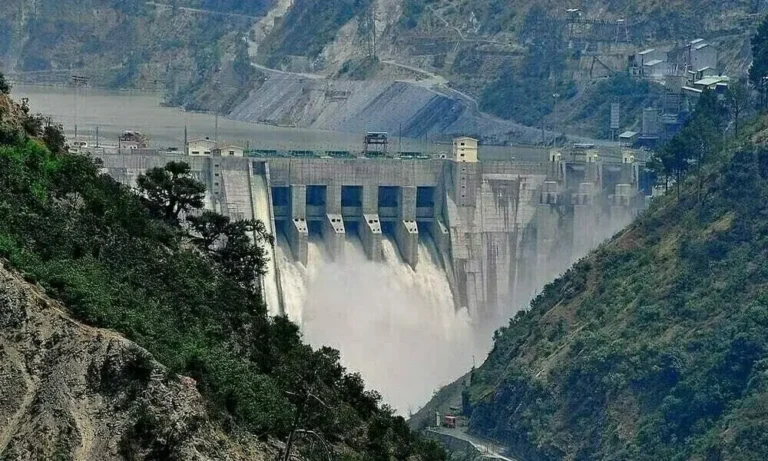
India used a word that does not exist in treaty law to suspend the Indus Waters Treaty; not a single country in the world endorsed it.