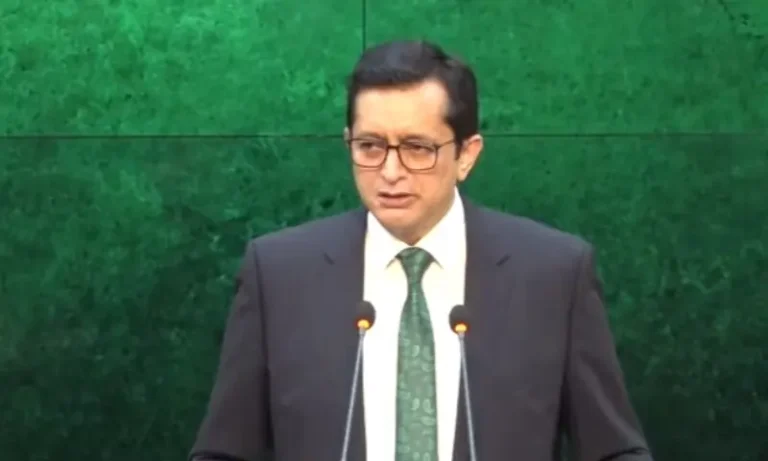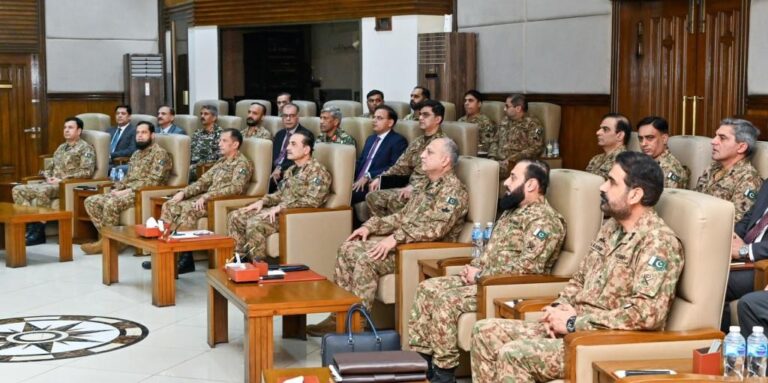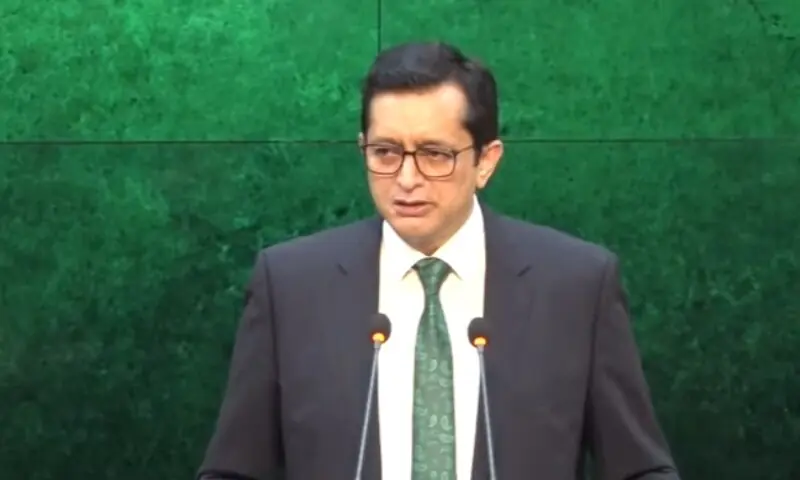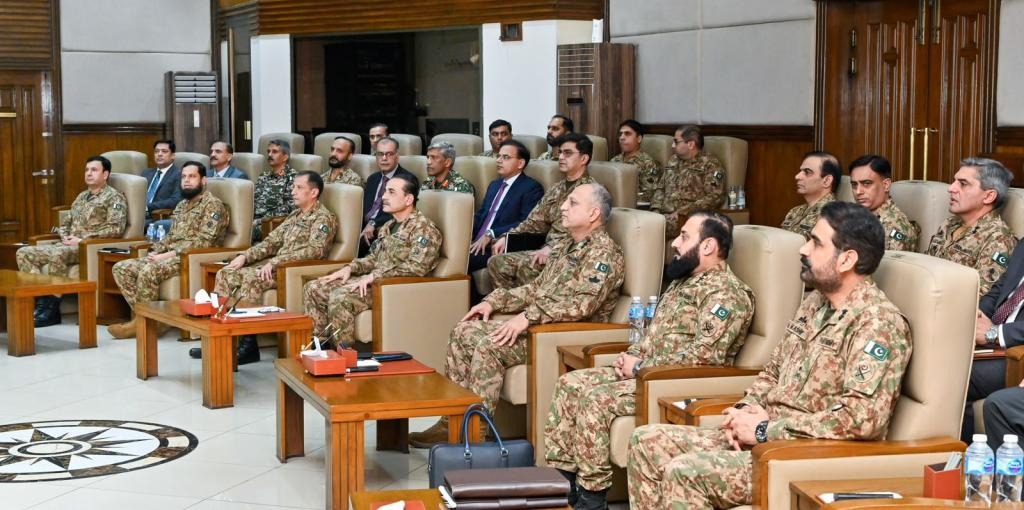
A significant strategic shift has been observed in Islamabad’s official discourse. According to internal security sources, a detailed briefing on July 2, 2026, redefined India not merely as a rival, but as a state experiencing “gradual decline.” The analysis posits that India is buckling under internal contradictions, moving from a focus on external threats to internal instability.
Data suggests this shift is due to structural weaknesses rather than conventional military parity. The core assessment is that India’s cohesion is fracturing, presenting a new strategic paradigm for the region.
The sources indicate that India’s internal fault lines are deepening, contrary to narratives of unity. Key drivers cited include:
Socio-Religious Divisions: Caste dynamics are described as determining “birth, social status, rights, and opportunities,” leading to systemic deprivation. Religious polarization, termed “Saffronization,” is seen as replacing pluralism with majoritarian dominance, eroding the social fabric and creating internal friction.
Regional Unrest: Persistent unresolved conflicts in Indian Illegally Occupied Jammu & Kashmir, Manipur, Nagaland, and the “Seven Sisters” are cited as evidence of unending political instability. The briefing suggests these are not law-and-order issues but deep-seated movements challenging the constitutional structure.
A pivotal component of the briefing is the reaffirmation of the “Two Nation Theory.” Sources state this is not merely historical but a contemporary reality, claiming that the current situation validates the partition premise. The analysis contrasts Pakistan’s ideological foundation with India’s secular framework, arguing that India’s heterogeneity leads to inherent instability.
It is suggested that the relationship with Kashmir is defined by a bond on “Kalma,” implying an ideological inevitability regarding the region, reinforcing a hardline stance on the “Kashmir policy” as a non-negotiable issue.
The briefing emphasizes an economic and geopolitical divergence. It frames Pakistan as a “confident and emerging state,” while arguing India is an obstacle to South Asian progress. The assessment includes:
Economic Disparity: Cited as a source of national weakness, creating a facade of growth that masks structural fragility.
Diplomatic Isolation: India’s strategic ambiguity is labeled “strategic isolation,” undermining its claims to leadership.
The discourse on water has reportedly been elevated to a “redline” issue. The sources warn of a severe escalation: “If there will be no water in our rivers, there will be blood.”
This moves the Kashmir dispute from a territorial issue to a life-sustaining necessity, hardening Pakistan’s bargaining position and linking transboundary water disputes directly to national survival, undermining any compromise.
The “Saffronization of the Military” and the militarization of politics in India are cited as factors destabilizing an already divided society. The report suggests that India’s obsession with Pakistan is a diversionary tactic to mask internal failures.
By presenting India as a “destabilizing actor” in South Asia, the briefing aims to shift Pakistan’s national narrative toward an existential battle, portraying India as the primary obstacle to regional stability.
This strategic shift has implications:
Kashmir: The framework suggests zero compromise, tying the dispute to ideological foundations, not just territorial integrity.
Water: The rhetoric raises the stakes to a point where disagreements could lead to kinetic responses.
History: The discussion hints at a “Pakistan 2.0” concept, suggesting that India’s trajectory supports the partition narrative.
This briefing signals a potential policy shift toward an aggressive, ideologically-driven posture, moving from containment to confrontation.

Our Editorial Desk is the intellectual engine of Digital Debate, responsible for the rigorous research that anchors every conversation. Our team deep-dives into data, checks every source, and consults academic literature to move beyond headlines and identify the questions behind the questions.