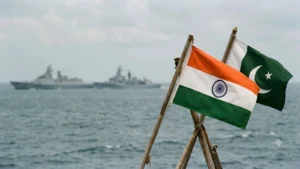
The Deterrent That Was Tested and Held
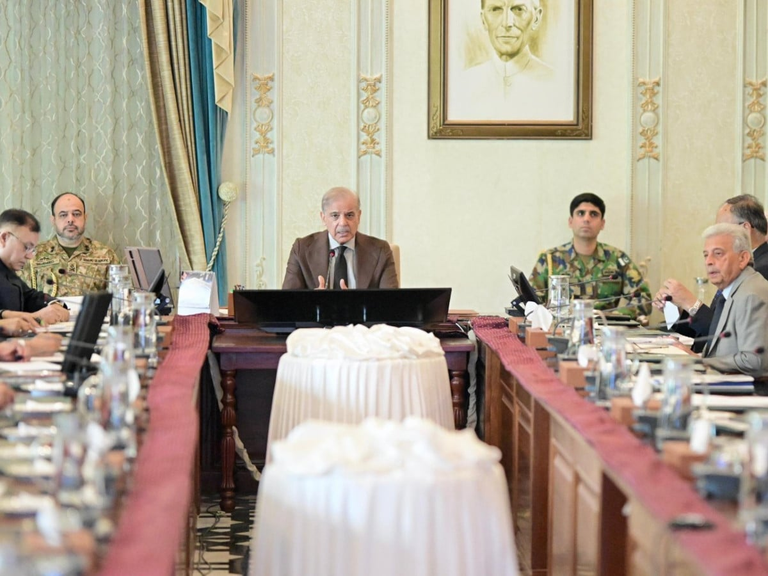
Twenty-eight years after Chagai, Pakistan’s nuclear deterrent has been tested in live conflict, restructured, and is being rebuilt stronger.

Twenty-eight years after Chagai, Pakistan’s nuclear deterrent has been tested in live conflict, restructured, and is being rebuilt stronger.

As Muslims around the world prepare for Eid ul Adha, India’s 200 million Muslims face a reality that turns a sacred obligation into a legal and physical risk.

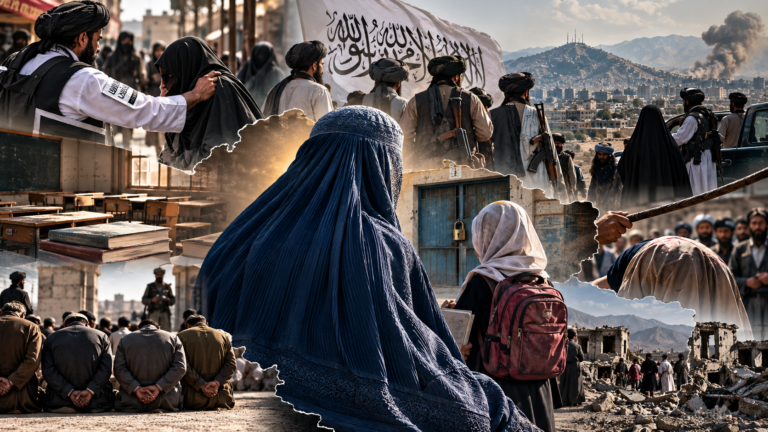
Afghanistan’s Decree No. 18 says a girl’s silence at puberty can be interpreted as consent to marriage.

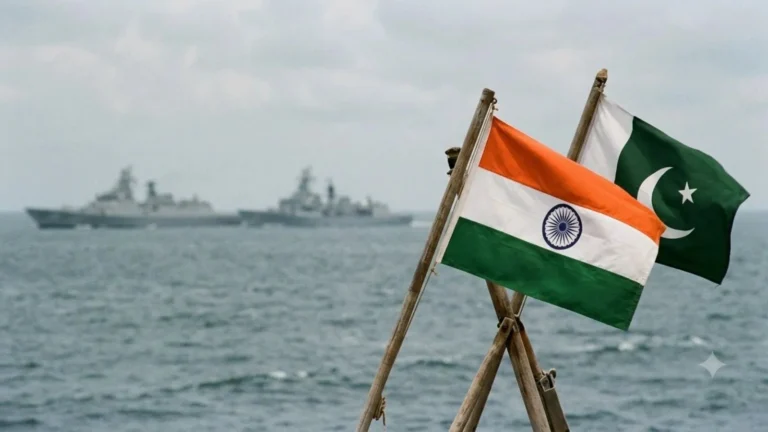
Pakistan demonstrated not only military capability but also diplomatic maturity, political coherence in the battle against India.

What it lacks is the one thing that converts tactical success into structural influence: a codified foreign policy doctrine.

India has killed activists abroad, crushed dissent at home, and denied self-determination to three nations, but the world looks away.

Bengal is burning, the Dravidian duopoly is dead, and Kerala’s communists are gone; India’s 2026 results rewrote the democratic map.

The conflict fundamentally changed how Pakistan is viewed internationally, turning it into a strategically capable actor.

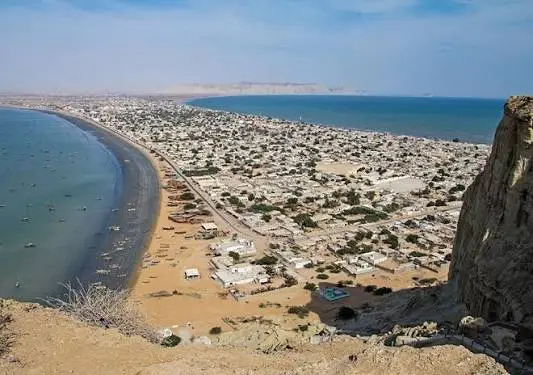
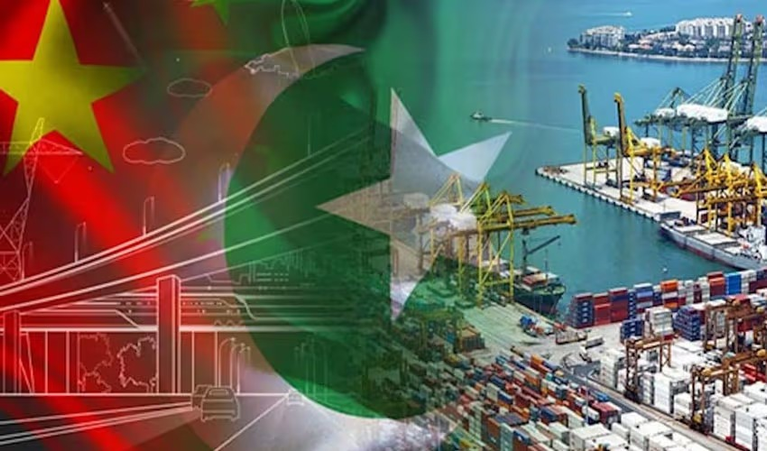
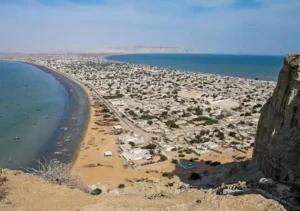
In just 24 days, Karachi processed more containers than it did in all of 2025; two months later, Gwadar broke that record too.

One year after Marka-e-Haq, Pakistan marks May 10 not as a military anniversary but as a national reckoning. The unity it produced was as consequential as the operation itself.