Pakistan-Afghanistan Dynamics
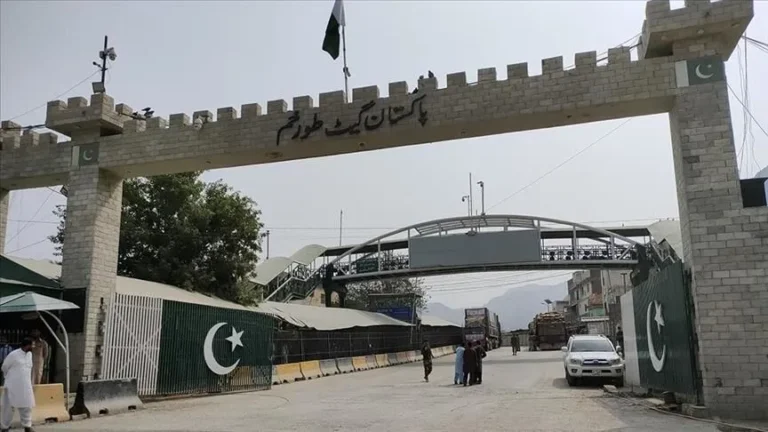
Their relationship is a cold state border where a brief peace is followed by the same cycle of tension and hostility.

Their relationship is a cold state border where a brief peace is followed by the same cycle of tension and hostility.

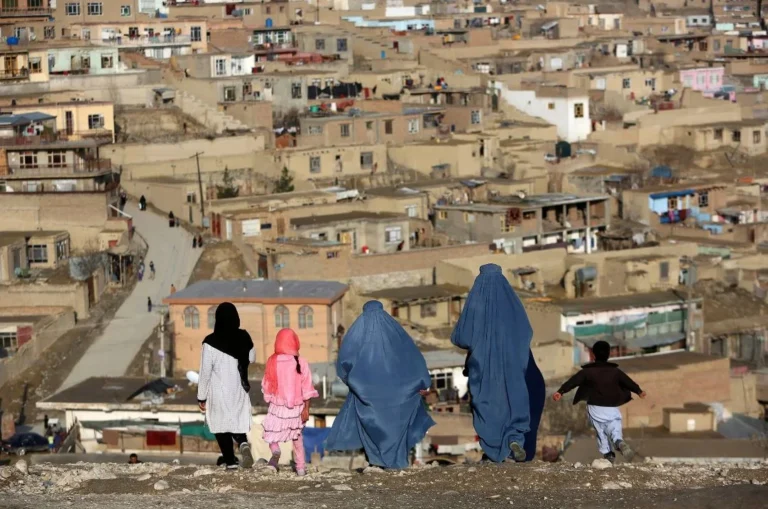
Afghanistan’s fragile economy is being battered by regional crises, leaving millions to face life-threatening insecurity.

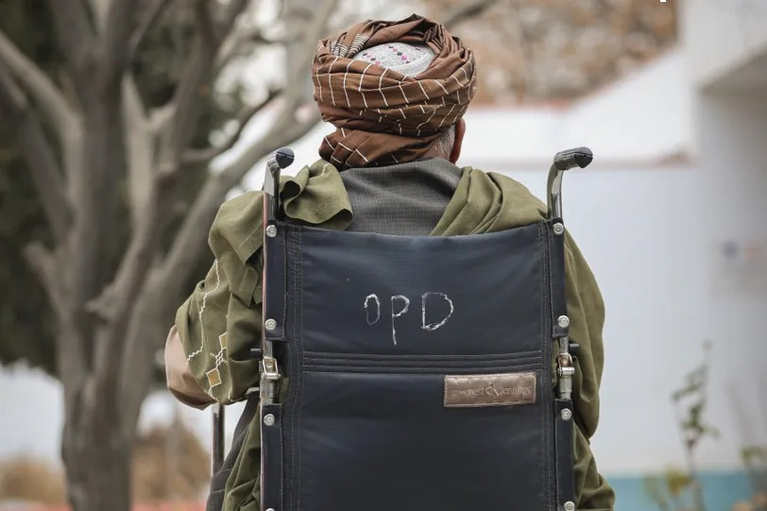
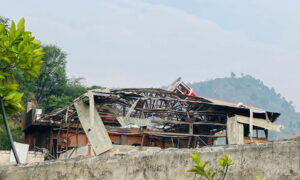
Conflicting reports, geolocation data, and footage raise doubts over Taliban claims of targeting rehab center after Kabul strikes.

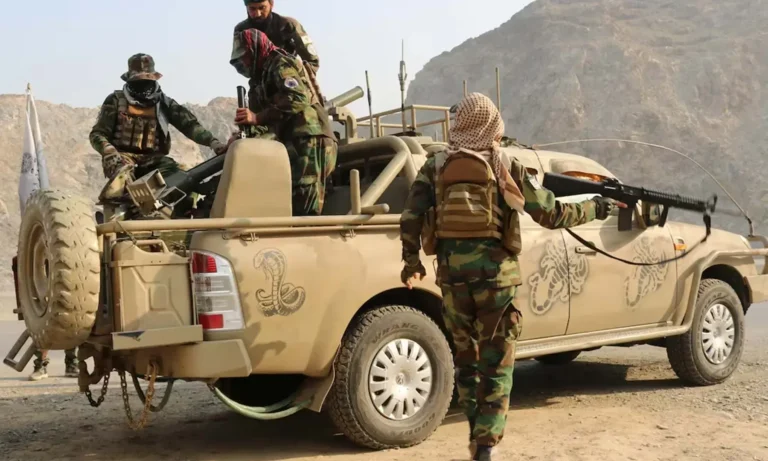
Pakistan shifts to “Open War” with Operation Ghazab Lil Haq, targeting Taliban infrastructure to enforce deterrence.

UNSC sanctions aim to stop the practice of using hostages as a bargaining chip, as the Taliban uses foreign prisoners to get what they want.

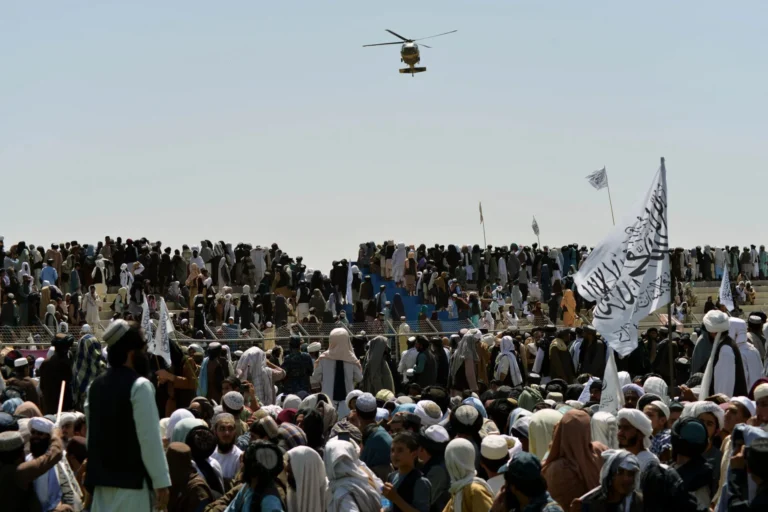
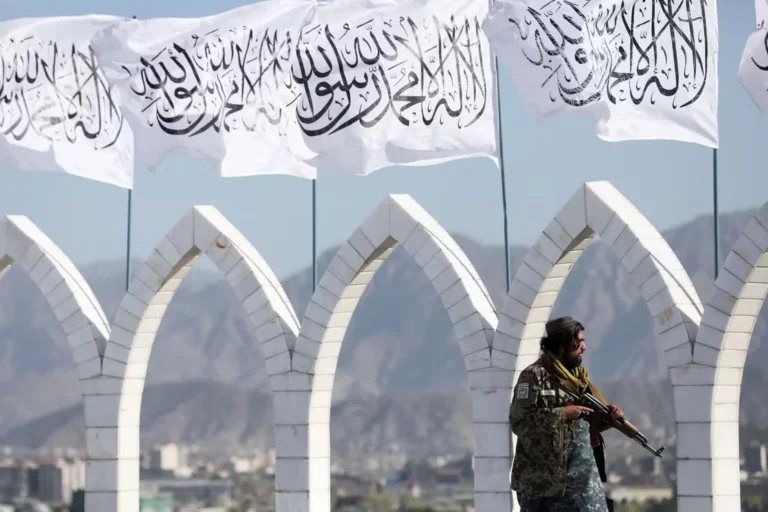
Russia’s formal recognition of the Taliban marks a pivotal shift in Eurasian geopolitics, trading ideology for pragmatism.

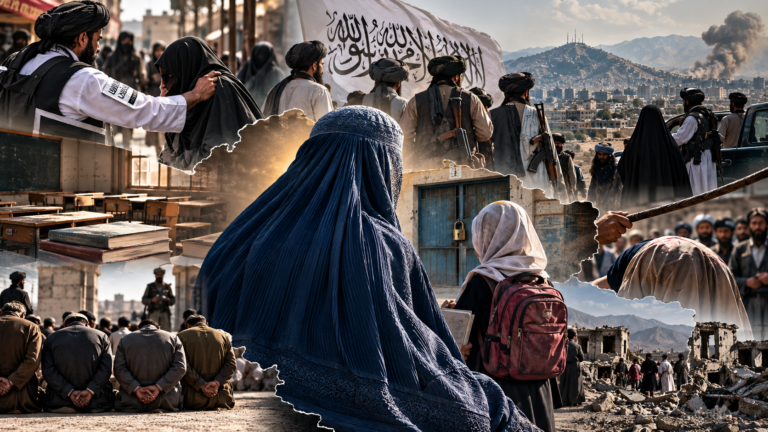
The Taliban’s 2026 penal code effectively re-legalizes slavery, creating a medieval caste system in Afghanistan.

ISKP is not a new threat to Pakistan; it is a tactical evolution of the TTP used to diffuse state accountability.

Since 2021, a widening expectation gap over security and TTP safe havens has strained Islamabad-Kabul diplomatic ties.

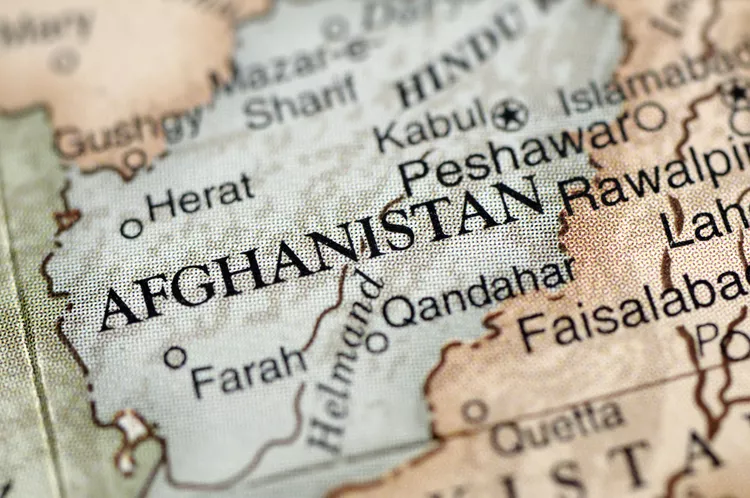
Roots of the Pak-Afghan conflict exist in history, from the 1944 Durand Line dispute to modern trade closures and regional proxy wars.