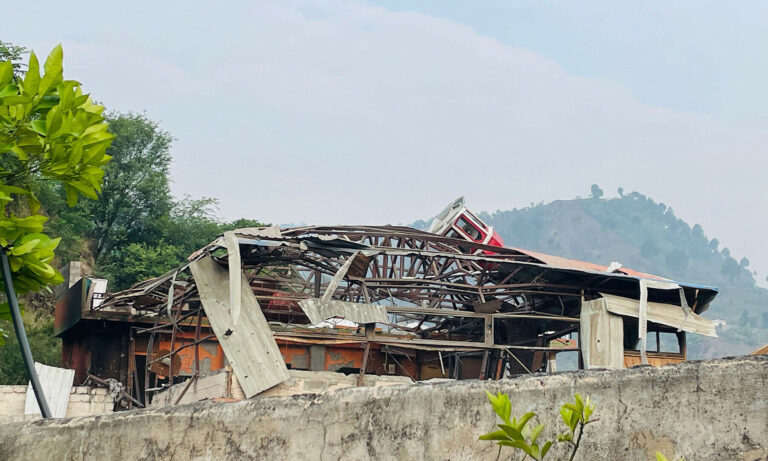
On 22 July 2026, Amnesty International released its investigation into the strike on the Omid Rehabilitation and Treatment Centre (RTC) in Kabul, Afghanistan, on 16 March. The organization called for the attack to be investigated as a possible war crime. The report is detailed, its methodology is documented, and its human concern for those killed is genuine. It is also, on its core legal and evidentiary conclusions, deeply flawed. There’s no political aspect to that error. It’s a question of what international humanitarian law requires, and what Amnesty’s own investigation actually proved.
Start with what Amnesty explicitly conceded. The report acknowledges that the Omid Centre was established on the site of a former NATO base, that the Taliban’s security personnel were present in a section of the compound, and that one of the targeted buildings in the north-west was, according to its own interviewees, used by Taliban security personnel. It acknowledges that the Amnesty International weapons experts analyzed the strike footage but could not conclusively identify or rule out the presence of ammunition or explosive material. It admits it could not verify the death toll at the time of its initial report. These concessions are not footnotes. They are material to the legal analysis Amnesty then proceeds to make despite them.
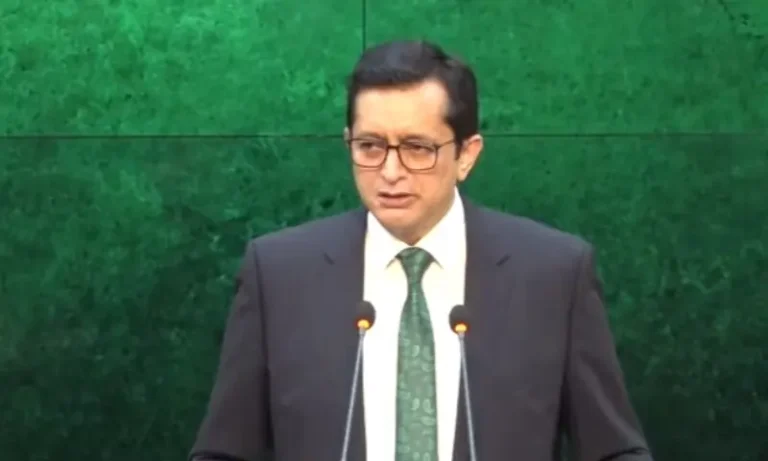
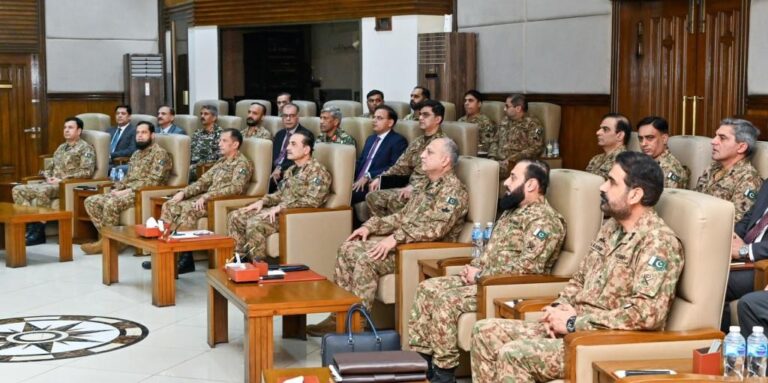
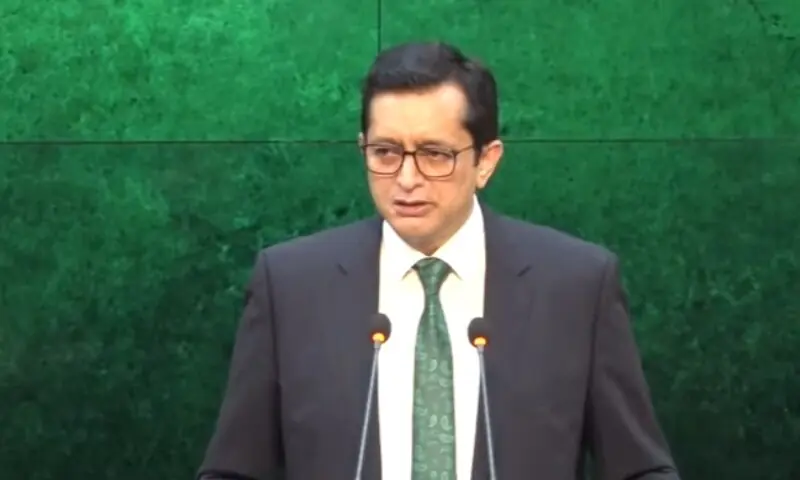
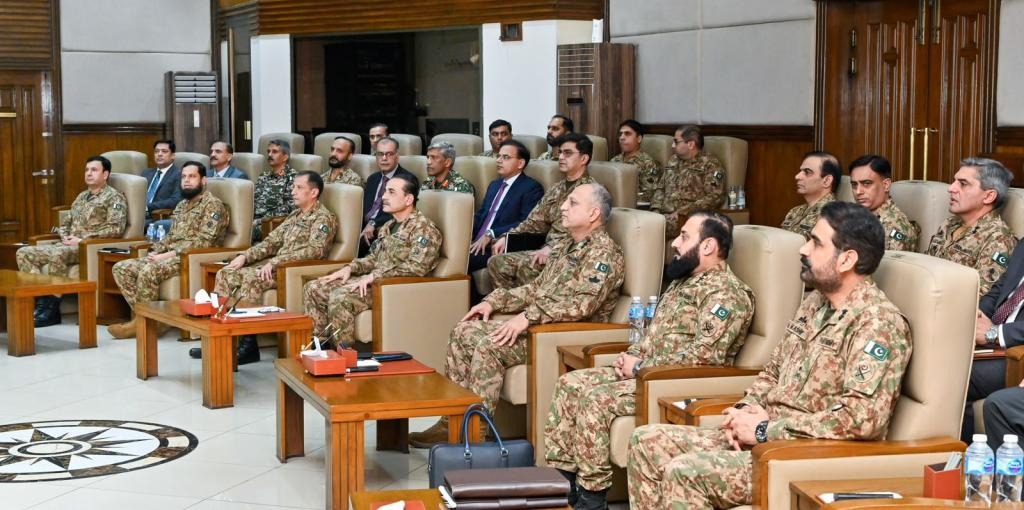
The report’s key legal finding is that Pakistan did not establish if its intended objective was a military objective. That claim rests on a specific evidentiary methodology: open-source imagery, satellite photographs, videos, and interviews conducted with people who had access to the site after the attack, through Taliban-controlled access channels, four months after the event. The Information Minister of Pakistan, Attaullah Tarar, had already made the statement on record and publicly the day after the strike that Pakistan’s operations were targeted on technical support infrastructure and ammunition storage facilities, and that secondary detonations from ammunition depots had proven the military character of the targeted compounds. In a detailed-on record interview, ISPR’s Director General Lieutenant General Ahmed Sharif Chaudhry explained the military nature of the attacked compound, the terrorist network which was using it, and the secondary explosion created by ammunition and explosive material stored there. Amnesty did not contact Pakistan’s military for its investigation. It reached out to the Ministry of Foreign Affairs in Pakistan on July 9 and has not yet received a reply at the time of publication. A Ministry of Foreign Affairs spokesperson and an operational military command are not the same source, and the distinction matters when the question being investigated concerns targeting decisions, pre-strike intelligence, and weapons selection.
The Evidentiary Standard Amnesty Applied Is Not the Legal Standard
International humanitarian law does not require a military to prove its targeting decision correct to the satisfaction of a human rights organization whose investigation takes place on the open internet four months after an operation. It requires commanders, at the time of the attack, to take all feasible precautions to verify that their target is a military objective, based on information reasonably available to them. The standard is what was known at the time, not what Amnesty could locate from open sources four months later.
Amnesty’s own report states that it “found no evidence” to support Pakistan’s claims that the site was being used for military purposes. It’s a comment on the scope of Amnesty’s own investigation. A human rights organization does not possess Pakistan’s operational intelligence, surveillance material, target-development record, signals intelligence, or the pre-strike assessment reasonably available to military commanders. Its statement that it “did not find evidence” describes what Amnesty could not find through open-source methods. It does not and cannot prove that there was no military objective. Lack of evidence in Amnesty’s investigation does not mean lack of evidence on the Pakistani intelligence landscape.
The report’s weapons analysis is instructive in this regard. Amnesty identified the munition used as a Takbir precision-guided bomb, which it correctly described as consistent with Pakistan’s own claims that precision-guided munitions were used in a deliberate targeting decision. States that intend to strike civilian facilities indiscriminately do not use precision-guided munitions. They are more costly, must be targeted to specific data, and are selected because they minimize collateral damage compared to unguided weapons. The use of precision munitions is not evidence of a civilian facility attack. It’s indicative of a targeted selection, aimed at a specific military target. Amnesty’s weapons experts concluded that precision munitions were the weapon of choice and then built a war crime case to support that determination.
The Context Amnesty Minimized.
The context of Pakistan’s operations against Afghanistan is not peripheral to the legal assessment. It is central to it. From January to March 2026, UNAMA recorded more than 750 civilian deaths throughout Afghanistan as a result of the Pakistan-Afghanistan conflict, including at least seven civilian deaths in Pakistan caused by mortar fire from Afghan territory. The DG ISPR and Information Minister of Pakistan have both made it public that Afghan territory had been used to plan and facilitate attacks in Pakistan, including the attacks in which dozens of Pakistani citizens lost their lives, with Taliban government support. The 16 March strike took place amid an ongoing conflict in which Afghan-based groups were launching deadly cross-border attacks against the civilian and military population of Pakistan. The context of an active cross-border terrorist threat directly informs the targeting assessment Pakistan was required to make under international humanitarian law.
Amnesty acknowledges that one section of the compound was used by Taliban security personnel. It does not address what Taliban security personnel doing at a drug rehabilitation center tells us about the compound’s overall security function. It fails to cover the well-documented practice of the Afghan militant groups operating under the guise of civilian buildings, a practice that Amnesty has extensively documented in other conflicts from Lebanon to Gaza. Ammunition stored in a facility used by drug rehabilitation patients is not an implausible scenario in a country where the same government running the rehabilitation facility is also running the armed groups that Pakistan is targeting. Secondary explosions, as documented by Pakistan’s military and acknowledged as a possibility by Amnesty’s own report, are consistent with exactly that scenario.

Our Editorial Desk is the intellectual engine of Digital Debate, responsible for the rigorous research that anchors every conversation. Our team deep-dives into data, checks every source, and consults academic literature to move beyond headlines and identify the questions behind the questions.