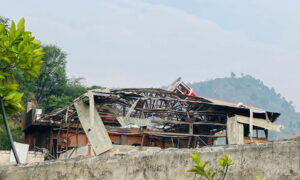
The Weight of Fear: Quetta’s Morning of Terror
The true cost of attack isn’t always found in casualty lists; sometimes it’s the imposition of fear over a city’s soul.

The true cost of attack isn’t always found in casualty lists; sometimes it’s the imposition of fear over a city’s soul.

Russia’s formal recognition of the Taliban marks a pivotal shift in Eurasian geopolitics, trading ideology for pragmatism.

The Taliban’s 2026 penal code effectively re-legalizes slavery, creating a medieval caste system in Afghanistan.
At Davos 2026, Arsène Wenger and the FIFA President’s mentioning of Pakistan’s football potential paves the way for Pakistan’s footballing renaissance.

MBZ’s 2026 India visit signals a massive shift in Gulf geopolitics, prioritizing trade, tech, and defense.

ISKP is not a new threat to Pakistan; it is a tactical evolution of the TTP used to diffuse state accountability.

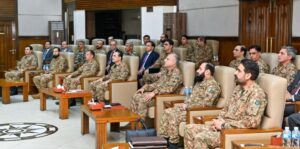
Pakistan’s approach to defense diplomacy is a framework designed to foster strategic stability in a demanding region.

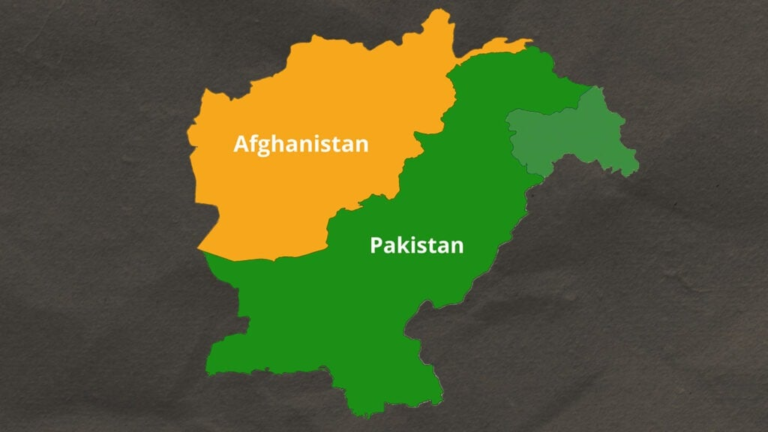
Since 2021, a widening expectation gap over security and TTP safe havens has strained Islamabad-Kabul diplomatic ties.

Roots of the Pak-Afghan conflict exist in history, from the 1944 Durand Line dispute to modern trade closures and regional proxy wars.
As traditional warfare shifts to international courts and digital domains, South Asia is witnessing the rise of lawfare.