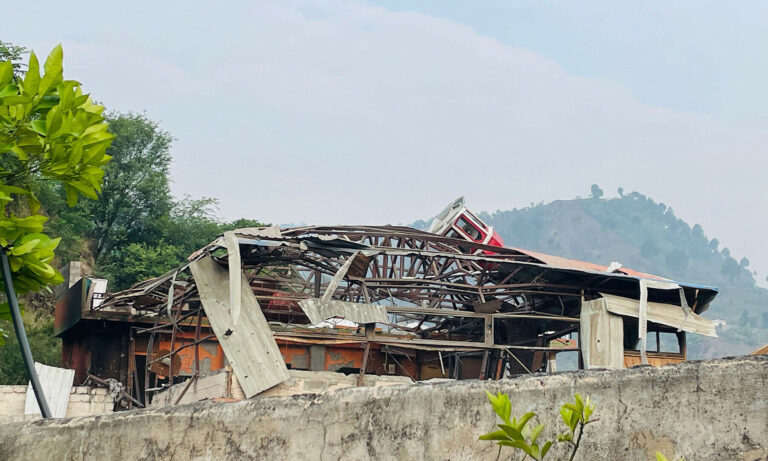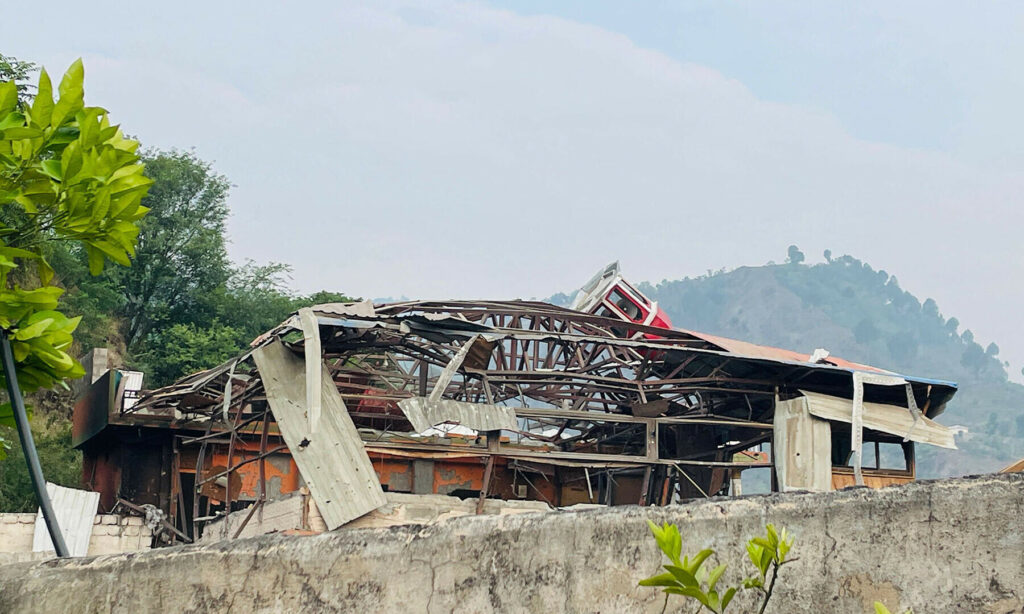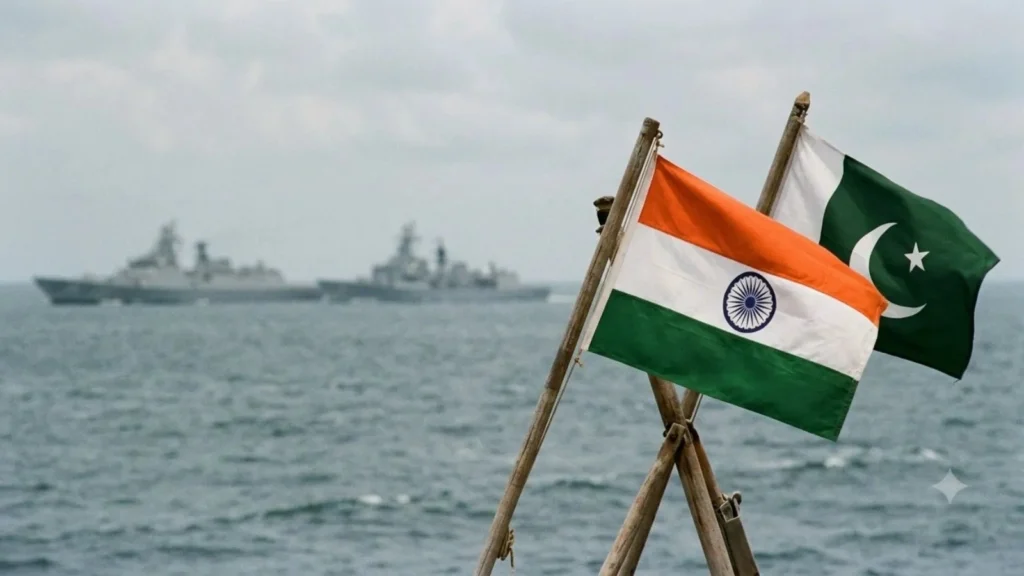
On February 28, 2026, the Strait of Hormuz closed. The timing was as bad as it gets for the textile industry in Pakistan. The FPCCI has cautioned that if the situation continues, value-added textile export orders could suffer a loss of 10% to 20% a month and shipping lines would impose emergency war risk surcharges of $1,500 to $3,500 per container. The Pakistan Ships’ Agents Association confirmed that Karachi Gateway Terminal Limited suspended new export bookings for Gulf services within days of the closure. According to the Business and Human Rights Centre, the Hormuz shutdown was the biggest disruption for the textile and apparel sector since the COVID-19 pandemic, with ship transits plummeting 97% and bunker fuel costs rising by more than 100%.
The textile industry, which contributes more than 60% of the country’s merchandise exports and employs millions of people in Faisalabad, Karachi, Lahore and Sialkot, suffered five months of cumulative pressure, from disrupted shipping to increasing energy input costs, and from rerouting cargo through the Cape route that costs 10 to 14 days and $1,000 to $2,000 per container. Monoethylene glycol, a critical input for polyester fibers, was trapped behind the Hormuz blockade, forcing Pakistani processors to seek alternatives at premium prices. The closure of this choke point puts a strain on industrial energy availability as almost 99% of LNG imports into Pakistan come from Qatar and the UAE.
The MOU announced on June 11, and the formal memorandum signed on June 19 changed the equation. Shipping lanes are reopening. The naval blockade is in the process of being lifted. Normal routes are reopening for container slots. The five-month disruption is ending. The next six months in Pakistan are more important than the previous five.
What the EU Communique Actually Opened
On June 1, 2026, Pakistan’s Deputy Prime Minister and Foreign Minister Ishaq Dar and EU High Representative Kaja Kallas co-chaired the 8th Round of the EU-Pakistan Strategic Dialogue in Islamabad. The joint communique reiterated the mutual intention to further strengthen the GSP+ trade relationship, enhance cooperation in the areas of climate resilience, digital infrastructure, and clean energy, and now implement the EU-Pakistan Talents Partnership Roadmap. Kallas particularly appreciated Pakistan’s mediation efforts in the US-Iran conflict, saying Pakistan has helped avert further escalation and the EU is keen on helping to secure a peaceful and sustainable resolution.
That diplomatic positioning matters commercially. Pakistan’s EU relationship is politically warmer than it has been since 2019; the GSP+ is creating EUR 732 million in annual tariff savings; and its cost profile is more competitive than buyers’ alternatives to China’s supply chains burdened with US Section 301 tariffs. EU buyers fleeing Bangladeshi political risk following Sheikh Hasina’s removal are actively routing volume toward Karachi and Faisalabad. Pakistan’s denim industry has bridged the technology gap with Turkish finishing lines, and today a lot of mills in Faisalabad are equipped with ozone, laser, and e-flow finishers.
Pakistan exported $16.7 billion in textiles and apparel in fiscal 2023, making it the world’s eighth-largest apparel supplier. In home textiles specifically, Pakistan holds second position among Asian exporters with $3 billion in EU exports, ahead of India, Bangladesh, and Vietnam. Pakistan is one of the best cost-plus tariffs plays to expand sourcing for European brands, with FOB pricing of 25-35% lower than Turkey for denim.
The Structural Problems that Haven’t Disappeared
The opportunity is real. So is the reason Pakistan has not fully converted similar opportunities in the past. A Pakistan Institute of Development Economics study found that despite Pakistan having an increasing revealed comparative advantage in textiles, it consistently lags competitors in market share. While Bangladesh, Vietnam, and India increased their garments exports by 13%, 17%, and higher respectively between 2013 and 2015, Pakistan managed 10%, despite holding a 10 to 14 percentage point duty advantage over all three in the EU market through GSP+. The preferential access has existed for over a decade. Growth in exports has not yet matched up.
The reasons are documented and consistent. Pakistan’s textile industry is still primarily focused on low-quality cotton products like bed linen, towels and basic garments. Vietnam and Bangladesh have been quick to shift towards manufactured fibers, where they now account for a higher percentage of the world market than cotton. This pivot in Pakistan has not happened on a large scale. Vietnam negotiated a full free trade agreement with the EU, which took effect in 2020, whereas Pakistan used preferential status, which it has to re-apply for next year in 2027 under new sustainability conditions.
Energy continues to be the biggest operating challenge in the sector. The Pakistan Textile Council also noted that the prohibitively high OGRA-notified prices for RLNG had already caused the consumption of RLNG in industry to fall 75%, which will be increased to 20% above grid parity by August 2026, before the closure of the Hormuz port. These are not Hormuz-related disruptions. They are structural, domestic, and pre-existing.
Bangladesh graduated from Least Developed Country status in 2026, losing its Everything But Arms EU preferential access unless alternative arrangements are negotiated. The transition, plus the EU buyer’s switch to alternative political risk, brings a volume opportunity for Pakistan apart from diplomacy. It relies on factory floors that can complete orders on time, to specification and without energy load-shedding interrupting the production run.
The proposed EU-India Free Trade Agreement (FTA), if it is concluded, will grant Indian textiles the same duty-free access as Pakistan’s GSP+ advantage, thus removing the rationale for European buyers to source from Pakistan instead of India. Pakistan currently exports $6.2 billion in textile products annually to Europe against India’s $5.6 billion. That advantage is not permanent. India’s textile export projections are $30 to $40 billion in the coming years. The gap between Pakistan’s current position and a future where an India-EU FTA has neutralized its GSP+ advantage is narrowing.
Pakistan’s textile industry walks into the post-war world with a diplomatic boost, competitive cost position and structural issues it delayed for 10 years. The disruption of the Hormuz disruption revealed how quickly external shocks can compress margins in an industry already operating on thin margins. The shipping lanes are reopening, and the EU communique presents an opportunity. Filling that window with sustained export volume requires solutions to energy pricing, product diversification, and logistics reliability that the market will not wait indefinitely for Pakistan to deliver.

Our Editorial Desk is the intellectual engine of Digital Debate, responsible for the rigorous research that anchors every conversation. Our team deep-dives into data, checks every source, and consults academic literature to move beyond headlines and identify the questions behind the questions.