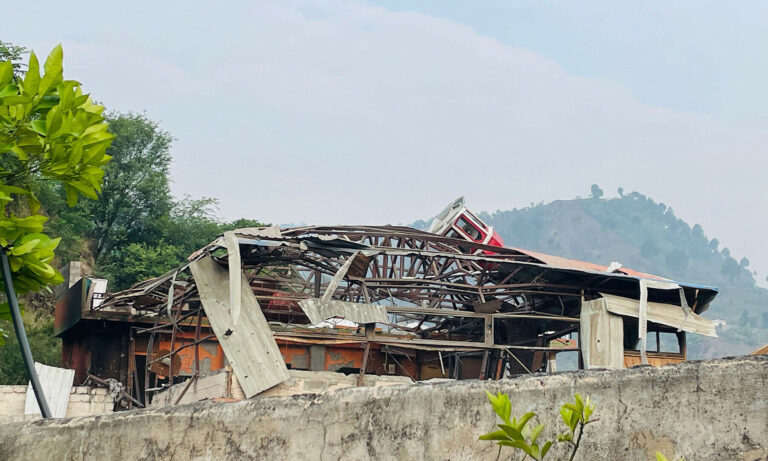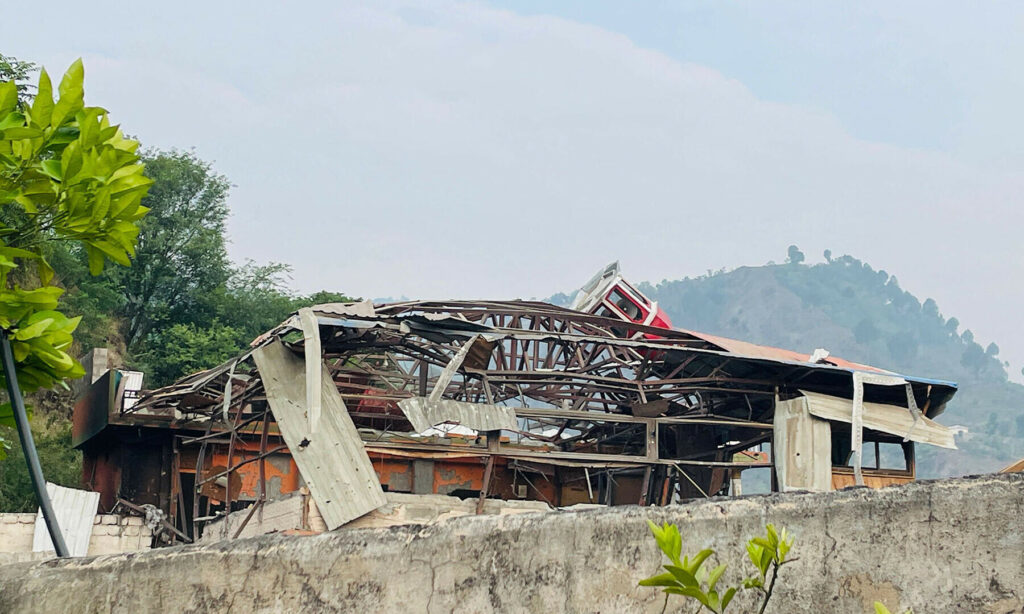
The death toll across the country since June 26 has reached 72, out of which 21 have been reported in Punjab and 41 in KP. The numbers have been rising daily since the second monsoon spell arrived on July 19 and intensified across Punjab, Khyber Pakhtunkhwa, Gilgit-Baltistan, and Azad Kashmir simultaneously. In Punjab alone, 154 people have been injured in rain-related incidents this season, with 15 killed in building collapses, two struck by lightning, three electrocuted, and one drowned. Rescue 1122 is responding around the clock.
All district administrations have been directed to be on high alert by the PDMA. These are the outcomes of a monsoon season in a country ranked 18th in the INFORM Risk Index for natural hazard exposure and a country that has experienced a devastating monsoon season in 2025, causing the evacuation of millions from Punjab and KP and the loss of lives of more than 1,000 people.
On July 21, the NDMA raised a High Alert for the entire country, indicating that a strong monsoon incursion, coupled with a westerly wave, was anticipated in all major river catchments from July 20 to 24, which could lead to sudden increases in river levels, flash flooding in hill torrents and urban flooding in vulnerable cities. The alert was issued specifically for high flood levels in the Chenab River at Marala, in the Jhelum River upstream of Mangla, and high river flows in the Ravi and Sutlej rivers depending on releases from Indian reservoirs of Thein, Pong and Bhakra. That caveat, buried in an official government alert, is the most important sentence in the entire document.
Pakistan’s own disaster management authority is warning its officials that river flows in their territory depend on release decisions made by a country that stopped sharing hydrological data fifteen months ago and has not responded to four letters from Pakistan’s Indus Commissioner asking for an explanation of flow anomalies.
Reports state that excess water flows on Chenab had triggered a surge in the rivers at Marala, Khanki and Qadirabad. The surge came as a surprise. There was no early warning to communities downstream to prepare for the rise. That’s the operational ramification of data silence, which Pakistan’s Indus Commissioner has been invoking in four unanswered letters. It is not a legal abstraction. It’s a natural, sudden flooding in a major river that comes into a community with multiple days of heavy monsoon rains.
What Punjab Is Managing Right Now
Punjab Chief Minister Maryam Nawaz called on the public to stay away from rivers, canals and flood-prone areas and heed official warnings before the heavy rains continue till July 24. PDMA Director General Umar Abbas Mela directed district administrations to remain on high alert, warning of the risk of urban and flash flooding. Rescue teams are deployed all over riverine areas. Evacuation is underway in low-lying areas along the Chenab, Jhelum, and Ravi rivers. The institutional response is functioning. It is functioning, however, without the upstream data that would allow it to anticipate what is coming rather than react to what has already arrived.
President Asif Ali Zardari has called upon all federal, provincial and local authorities to step up coordinated preparedness, rescue and relief operations, and urged the public to adhere to the government’s warnings and refrain from any unnecessary travel to the areas where heavy rain, flash flood, landslide and other weather-related warnings have been issued. The advisories are being issued without the data they need to be more accurate. The advisory for possible flooding in riverine areas is a general warning. If an advisory is constructed from the real-time flow data available from upstream in India, it would be a specific, timed, geographically targeted warning. Pakistan is issuing the former because the latter is unavailable.
Pakistan was already vulnerable when the 2026 monsoon began, as many households were already struggling with food insecurity and acute housing deficits from the previous monsoons, which had left them with limited coping capability for another harsh monsoon. The monsoon in the country resulted in the loss of more than 1,000 lives in 2025, and the relief and early recovery efforts have persisted into April 2026.
Communities in Punjab’s riverine belt have not fully recovered from last year. They are absorbing this year’s monsoon from a position of reduced resilience. Roof collapses that kill people in rain events are the consequence of houses weakened by previous floods and not repaired. This week’s monsoon-related death toll is not just weather-related. They are the result of a series of successive seasons of damage and recovery.
Islamic Relief Pakistan has its Surge Emergency Response Team on standby for immediate deployment if conditions deteriorate further. Humanitarian response infrastructure is in place. The information infrastructure to deploy it at the right place at the right time is operating on incomplete information. Until India resumes sharing hydrological information under the Indus Waters Treaty framework, Pakistan’s monsoon management will continue to operate in exactly this way: responding to what the water does after it arrives, rather than preparing for what it will do before it gets here.

Our Editorial Desk is the intellectual engine of Digital Debate, responsible for the rigorous research that anchors every conversation. Our team deep-dives into data, checks every source, and consults academic literature to move beyond headlines and identify the questions behind the questions.