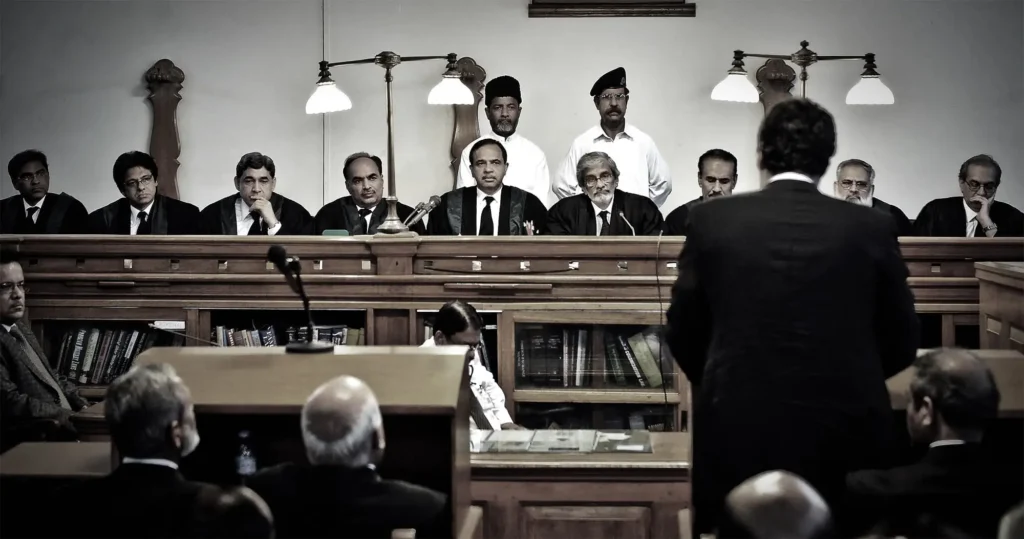
On May 15, 2026, India’s Chief Justice Surya Kant made a remark during a Supreme Court hearing on fake professional degrees. He said there were youngsters “like cockroaches, who don’t get any employment or have any place in the profession,” who become social media creators, RTI activists, and start “attacking everyone.” He later claimed that he was misunderstood. The clarification arrived too late.
Within 78 hours of the remark going viral, a satirical Instagram page had amassed three million followers. Within two months, 10,000 people were marching on parliament. The Indian state resorted to tear gas, baton charges and forced hospitalization of a 59-year-old hunger strike activist on the twentieth day of his protest.
A Meme That Became a Movement
The man who heard the remark and made it bigger was Abhijeet Dipke, who is a 30-year-old political communications strategist with a master’s degree from Boston University, who had earlier worked with the Aam Aadmi Party. On May 16, the day after the chief justice’s remarks circulated online, Dipke posted a Google Form and an Instagram graphic captioned “Main Bhi Cockroach” (“I am also a cockroach”) and announced the launch of the Cockroach Janta Party, a deliberate play on the name of Modi’s ruling Bharatiya Janata Party.
The name was satirical; the anger, however, was not. The CJP’s Instagram account hit 10 million followers within four days, surpassing the BJP’s 8.7 million subscribers. By July, the movement had 22.5 million followers. The speed was a culmination of years of frustration among India’s young generation: unemployment among graduates, the high cost of living, and a system of education that had been repeatedly failing them, a system that represented a ‘state which speaks to the young, but not to them’.
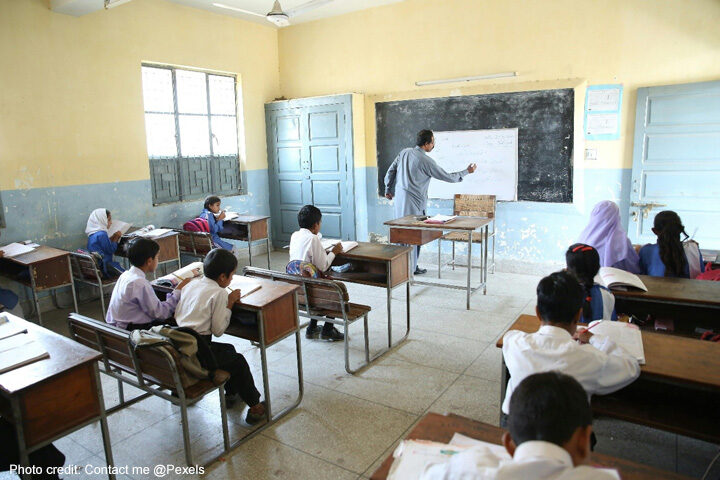
The immediate trigger beyond the judicial remark was the NEET examination scandal. About 2.2 million aspiring doctors were forced to retake India’s annual medical entrance exam after the original test in May 2026 was cancelled when the questions leaked. The messaging app Telegram was temporarily banned by the government to prevent further leaks. More than a dozen students have been reported dead by suicide after the cancellation and retest announcement. The core demand of the CJP revolved around a single issue: resignation of Minister for Education Dharmendra Pradhan.
On June 6, CJP went out onto the street for the first time at Jantar Mantar, where hundreds joined the protest and were seen wearing cockroach masks and carrying used examination preparation books, as well as national flags. Dipke flew back from the United States to lead the rally. The movement’s transition from digital to physical mobilization was deliberate and rapid.
Sonam Wangchuk and the State’s Response
On June 28, 59-year-old Sonam Wangchuk, a climate activist, engineer, and Ramon Magsaysay Award Winner, joined the hunger strike against Jantar Mantar in support of the CJP’s demands. Wangchuk is best known internationally for pioneering water conservation projects in the Himalayas and as the real-life inspiration for a character in the 2009 Bollywood film 3 Idiots. His presence at the protest location brought the movement to a higher profile and attracted hundreds more supporters and expanded the movement beyond students and recent graduates.
On July 18, after 20 days without food, Delhi police arrived at Jantar Mantar and removed Wangchuk, taking him to Safdarjung Hospital. Police said he was “shifted to hospital for essential medical care” under orders from the Delhi High Court following medical advice. He was severely dehydrated, weak and hypokalemic, doctors reported. Wangchuk’s own doctor stated he had not been allowed to visit. The opposition parties condemned the removal. The Aam Aadmi Party posted on X: “Instead of choosing the path of dialogue to end the ongoing peaceful fast, the government has resorted to force and thuggery.” The forced hospitalization did not put an end to the movement. It accelerated it.
Around 10,000 people assembled in a mass protest overnight at Jantar Mantar and staged a march on the building of India’s Parliament on the first day of the monsoon session of the legislative body. Students, professionals and families with children were all present. Many carried backpacks with food and water. Delhi police deployed riot units in large numbers, closed exits of metro stations in the vicinity of Jantar Mantar and started dispersing the crowd with tear gas and baton charges. Al Jazeera’s correspondent reported that protesters were departing metro stations further away, walking to the venue despite police blocking them, chanting slogans and carrying the Indian flag, while the police publicly said videos of scuffles being spread on social media were “misinformation. The videos continued to circulate.
Modi’s government, facing its largest public challenge in the third term, offered a minor concession: an invitation to two CJP activists to meet Health Minister JP Nadda for talks. CJP’s chief spokesperson Saurav Das has shared a message on X, claiming the government had approached them for talks in the morning, but the party’s demands were unmistakable, and the youths had gathered in large numbers.
Education Minister Pradhan has accused the protesters of acting against the nation. The government has insisted there is no need for direct negotiations with the CJP, despite acknowledging students’ concerns in general terms. But it is between those two extremes, a space of recognition but not of responsibility, that the movement has got its momentum.
The CJP is not a registered political party. It possesses no seats, no resources, and no official platform other than a demand for resignation of the education minister and a real crackdown on examination fraud. What it has proved is what the BJP’s 22 years of digital supremacy had not imagined: a generation of educated, connected and economically dissatisfied youths of India who could organize faster than the government could react, take an insult as their identity and gather in the monsoon rains at the parliament with food packs in hands and the national flag in their pockets. India’s chief justice called them cockroaches. They decided to agree and march.

Our Editorial Desk is the intellectual engine of Digital Debate, responsible for the rigorous research that anchors every conversation. Our team deep-dives into data, checks every source, and consults academic literature to move beyond headlines and identify the questions behind the questions.