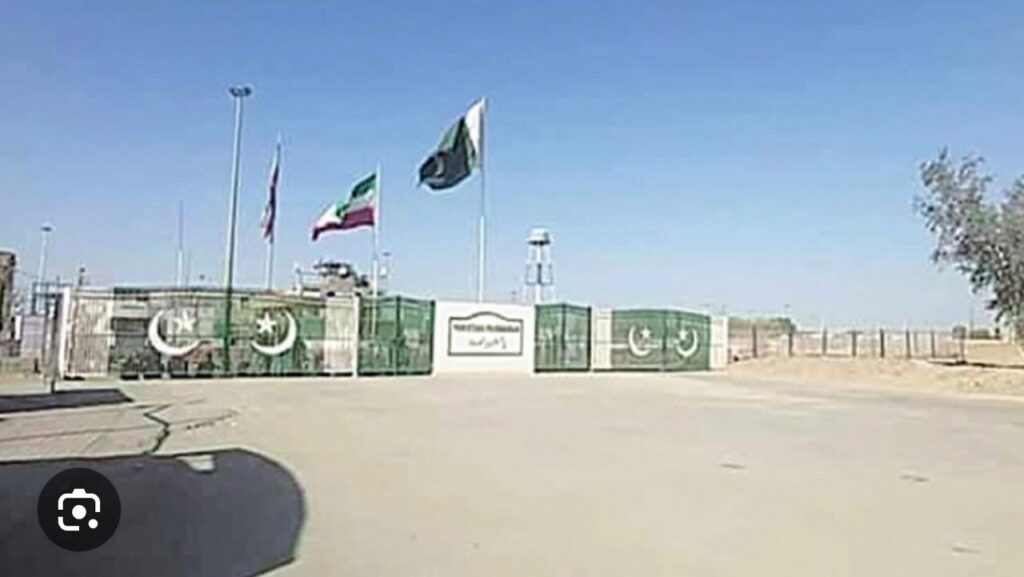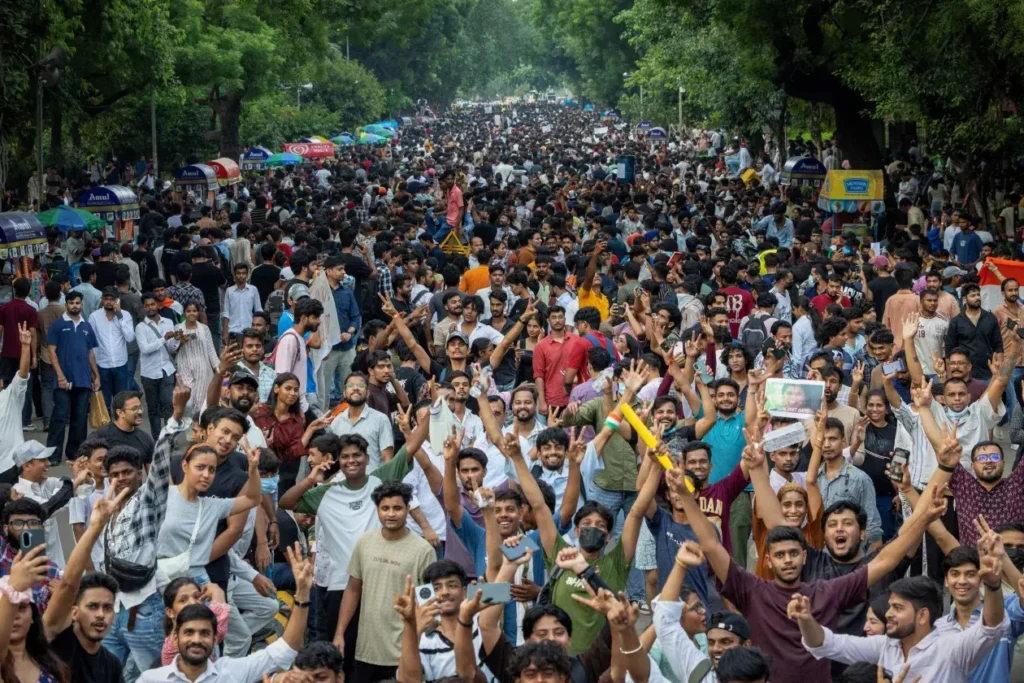
Commentators have rushed to file the street politics of India, France, Spain and Albania under a single banner of Gen Z rage, as though a shared birth cohort and a shared smartphone were enough to explain why exam candidates in Delhi, schoolchildren in Paris, tenants in Madrid and students in Tirana are all in the streets in the same season. The more revealing thread is not generational temperament at all. Each of these protests began with a specific, checkable failure by an institution whose entire purpose is to convert a young person’s effort into an adult life.
In India that institution was the examination hall. The leaked medical-entrance paper that forced more than two million candidates to sit a retest was, as one 21-year-old protester put it, merely the spark, while the Cockroach Janta Party supplied a platform for years of repressed frustration over unemployment and the narrowing space to speak. The protest then achieved something rare against this government, because the education minister stepped down, and its founder afterwards declined to turn the movement into a party, arguing that India needs a public movement for institutional trust and accountability rather than another electoral vehicle.
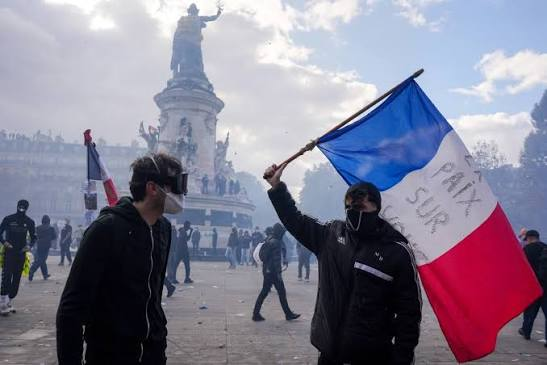
In France the institution was the classroom. The protests began on 17 September in the Paris suburb of Créteil over shortages of staff and resources, and students blocked hundreds of lycées to complain of missing teachers, overloaded timetables, dilapidated classrooms and buildings that cannot cope with rising temperatures. Crowd estimates vary enormously, from roughly 71,500 to 266,000, but the state’s response was tellingly physical, since a teenager lost a hand after police fired a stun grenade and Amnesty International urged an end to disproportionate repression.
In Spain the institution was the lease. The spark was the eviction of an 87-year-old woman on 23 September, but the anger hardened when parliament rejected two emergency tenant-protection decrees and tens of thousands marched in about fifty cities, with Pedro Sánchez responding by calling an early election for 29 November. A young person who cannot rent has no way to begin an independent life, and that is a failed promise in the same sense as a stolen exam paper.
In Albania the institution was the degree. Months of mostly peaceful demonstrations, originally sparked by a coastal resort development, have escalated into violent student-led protests, and students now complain of the high cost of education and poor employment prospects after graduation. Prime Minister Edi Rama has blamed “foreign hands”, while insisting that he will not resign.
The common pattern is that these are protests of the ledger rather than of ideology. A leaked paper, an unstaffed classroom, an eviction notice and a tuition bill are all auditable facts, and that is precisely what makes them so politically dangerous, because a demand that can be verified cannot be waved away as mood. It is revealing, then, that governments reach so quickly for the language of outside manipulation, whether in Tirana’s talk of foreign hands or in the French government’s accusation that the hard-left France Unbowed party encouraged the movement, since conspiracy is a far more comfortable explanation than administrative failure.
The harder question is what happens after the ledger is read aloud. Movements that win by being narrow often struggle to govern, and the Indian organiser’s caution is instructive, given that a Gen Z party formed after Bangladesh’s youth ousted Sheikh Hasina fared poorly in this year’s elections. Yet the lesson for incumbents is plainer than any theory of generations: a state that cannot keep its exams honest, its schools staffed, its homes affordable and its universities within reach should not be surprised when the young begin counting.

Our Editorial Desk is the intellectual engine of Digital Debate, responsible for the rigorous research that anchors every conversation. Our team deep-dives into data, checks every source, and consults academic literature to move beyond headlines and identify the questions behind the questions.