
When Prime Minister Shehbaz Sharif told the United Nations General Assembly that uncontrolled terrorists would be “roaming the streets of New York or London,” he wasn’t making an idle boast. He was pointing to a war Pakistan has fought for two decades, mostly alone, and mostly at a cost the rest of the world has never had to pay.
That claim is bold. It’s also unprovable in any strict sense. But the record behind it isn’t rhetoric. It’s data, and it’s grim.
The Cost in Numbers
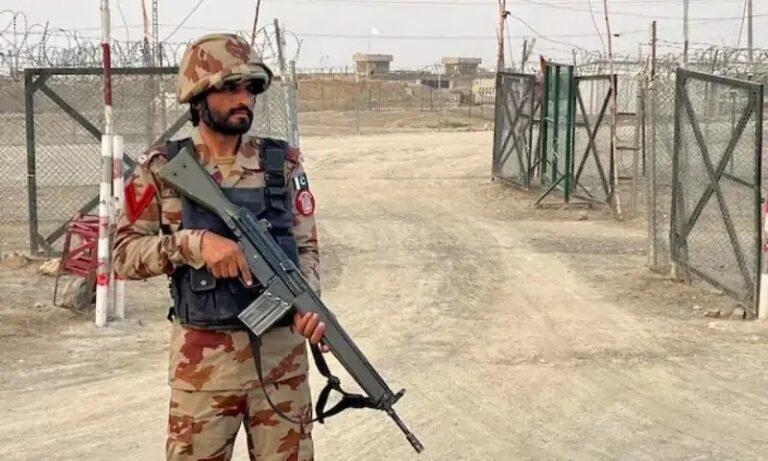
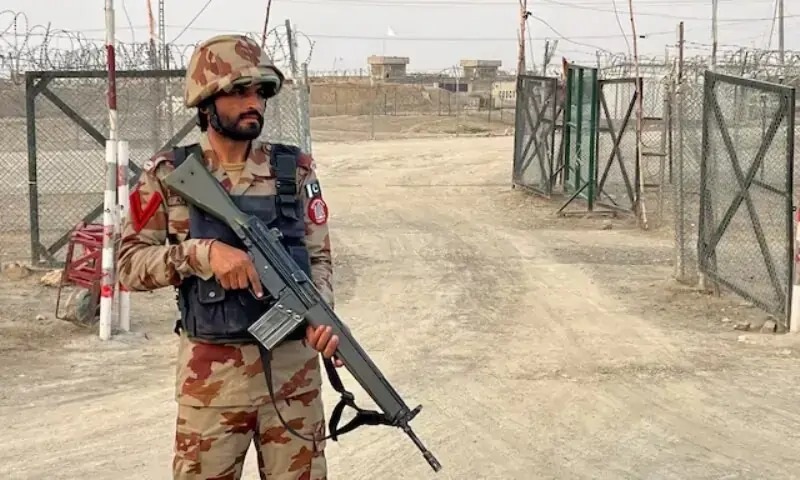
Pakistan’s security forces and civilians have absorbed the brunt of this fight for years. Data from the Pakistan Institute for Conflict and Security Studies puts conflict-related deaths in Pakistan at 3,413 in 2025 alone, including 667 security personnel and 580 civilians.
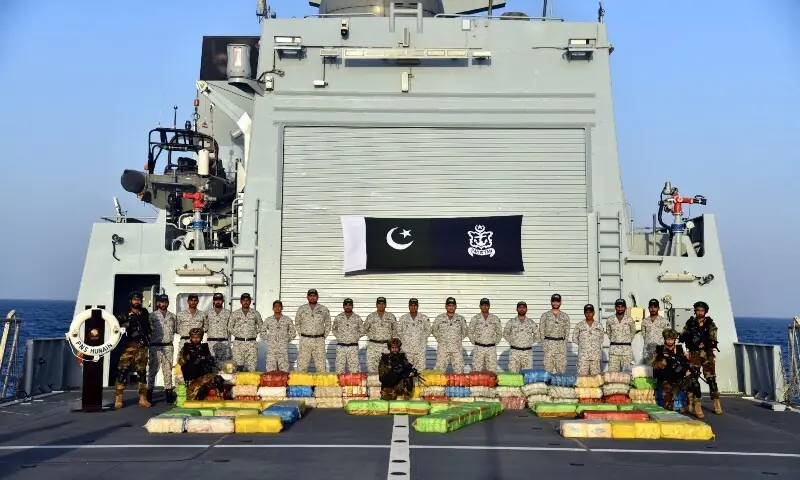
On the offensive side, Pakistan’s military reports killing 2,597 militants across more than 75,000 counterterrorism operations in 2025. That’s an operational tempo few countries have sustained for this long, against this many fronts.
These numbers explain why Islamabad keeps pressing the same point at every international forum: Pakistan isn’t just a country that suffers terrorism. It’s a country that fights it, on behalf of a security order that benefits everyone, including nations that rarely acknowledge the cost.
Where the Argument Needs a Caveat
Here’s the problem with the New York and London line. It’s a hypothetical, not a documented plot Pakistan disrupted in either city. No attack is named. No timeline is given. That doesn’t make the claim dishonest, but it does mean it should be read as Sharif’s political argument, not as verified fact.
This distinction matters, and it doesn’t weaken Pakistan’s case. If anything, it strengthens it. Pakistan doesn’t need an unprovable claim about foreign cities to justify recognition. The casualty figures inside its own borders already make that case.
Real, lasting security against terrorism won’t come from military operations alone. It needs intelligence sharing across borders, tighter controls on terrorist financing, prosecutions that actually stick, and programs that stop extremist recruitment before it starts.
No single country, however many operations it runs, can shut down a threat that moves freely across borders and ideologies.
Pakistan deserves credit for what its soldiers, police officers and civilians have endured. But credit and evidence have to travel together. Sharif made a case for recognition. Now it’s on Pakistan, and on the international bodies listening to him, to back it with transparency instead of leaving it as a talking point.
Terrorism doesn’t check passports before it kills. Whether it happens in Peshawar or Quetta, New York or London, the response has to be shared, honest, and built on facts that hold up after the speech ends.

Our Editorial Desk is the intellectual engine of Digital Debate, responsible for the rigorous research that anchors every conversation. Our team deep-dives into data, checks every source, and consults academic literature to move beyond headlines and identify the questions behind the questions.