AT A GLANCE
- Strategic Flexibility: Pakistan seeks productive relations across competing power centers while protecting its national interests.
- Domestic Foundations: Economic resilience, institutional capacity and digital governance will determine its freedom of action.
- The Delivery Test: Over the next 6-12 months, diplomatic initiatives must generate sustained consultations, credible implementation and practical cooperation.
What Happened
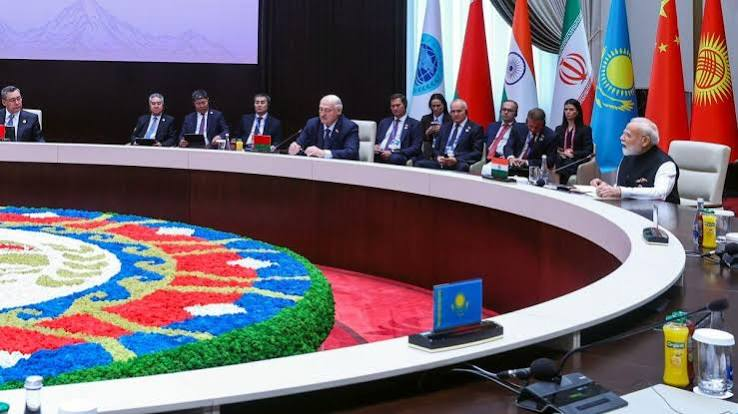
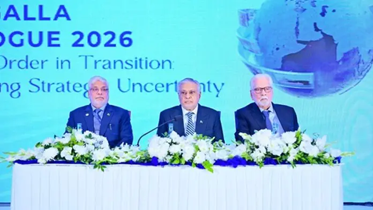
IPRI held Margalla Dialogue on 10-11 November in Islamabad, bringing together ministers, diplomats and international scholars. Discussions covered great-power competition, regional connectivity, economic bottlenecks, technology and international law. The programmed positioned domestic resilience alongside external engagement as central questions for Pakistan’s strategic future.
Who Said What
“Pakistan has extended all possible facilitation in its capacity as an honest mediator between Iran and the United States, and will continue to do so.”
“The response to strategic uncertainty requires strength at home and effective diplomacy abroad.”
“There are now three great powers in the world: the US, China and Russia.”
His broader argument encouraged Pakistan to preserve relations with Washington and Beijing while prioritizing wealth creation. The policy implication is that diplomatic flexibility needs an economic foundation.
“Who is curating this reality for all of us?”
Her question linked foreign-developed AI to cultural influence and technological dependence. She also identified domestic computing capacity and international cooperation as priorities.
“Diplomacy, engagement and international legal frameworks (in the context of IWT) should be prioritized to prevent conflict and its devastating consequences for the region.”
The Context
Pakistan’s diplomatic positioning builds on several initiatives during 2026. On 31 March, China and Pakistan jointly proposed five points addressing hostilities, negotiations, civilian protection, shipping security and the UN Charter. This established a shared diplomatic position, although publication alone cannot demonstrate implementation.
Dar cited Pakistan’s facilitation of US-Iran talks in Islamabad in April. The subsequent Islamabad MoU was signed on 18 June. Pakistan’s Foreign Office reported a high-level implementation meeting in Switzerland, hosted with Qatar, later that month. These developments provide evidence of continued engagement, while leaving the effectiveness of implementation open to scrutiny.
A further channel emerged on 23 October, when the R4 Pakistan, Egypt, Saudi Arabia and Türkiye, met France, Germany, Italy and the United Kingdom. Their communiqué committed them to continued dialogue on regional security and related economic concerns.
Reading the Statements
- Continuity builds influence: Diplomatic access becomes valuable when consultations survive individual crises and meetings.
- Economic depth strengthens autonomy: Diversified exports and predictable investment conditions would increase Pakistan’s bargaining capacity.
- Security partnerships require reassurance: Clear communication can help manage competing expectations and reduce miscalculations.
- Digital sovereignty needs delivery: Credible safeguards, skilled personnel and functioning infrastructure will determine technological capability.
What Pakistan Can Deliver
| Strategic lever | Practical contribution | What it requires |
| Diplomatic facilitation | Maintain communication and support negotiating rounds | Trust, discretion and continuity |
| Regional coordination | Sustain R4-European consultations | Agreed agendas and follow-up arrangements |
| Economic engagement | Convert political access into trade and investment | Predictable rules and credible projects |
| Digital cooperation | Develop research skills and secure data partnerships | Clear safeguards and technical capacity |
Why It Matters
- For Pakistan: Stronger domestic capacity would make external partnerships more productive and strategic autonomy more sustainable.
- For regional partners: Reliable facilitation could preserve communication during crises and support de-escalation.
- For Western missions: The agenda offers practical engagement across diplomacy, commercial cooperation and digital governance.
- For China and Gulf partners: Consistent implementation would strengthen confidence in longer-term cooperation.
What to Watch
Further R4 -European consultations
Whether the October commitment produces another meeting, working arrangements or a defined diplomatic agenda.
Publication of the data framework
Shaza Fatima announced a Data Governance Policy within weeks. Watch for its release, institutional responsibilities, safeguards and implementation timetable.
Renewed US-Iran engagement
Whether official announcements identify further talks, Pakistan’s role or progress under the Islamabad framework.
Results over 6–12 months
Track sustained diplomatic mechanisms, realized commercial partnerships and operational digital programmes. These would provide stronger evidence of strategic delivery than additional declarations.

DD Briefs
Digital Debate is an independent policy and governance platform examining the structural questions facing Pakistan. Its research programme covers federalism, public finance, human security and institutional reform.