AT A GLANCE
- Continuity of the Channel: Islamabad confirms its facilitation between Tehran and Washington remains active despite regional escalation.
- Sharing the Load: Naming Qatar signals a broader multilateral facilitation track, reducing single-mediator diplomatic risks.
- The Immediate Test: Preventing maritime friction in the Strait of Hormuz and keeping the Islamabad MoU framework viable.
What Happened
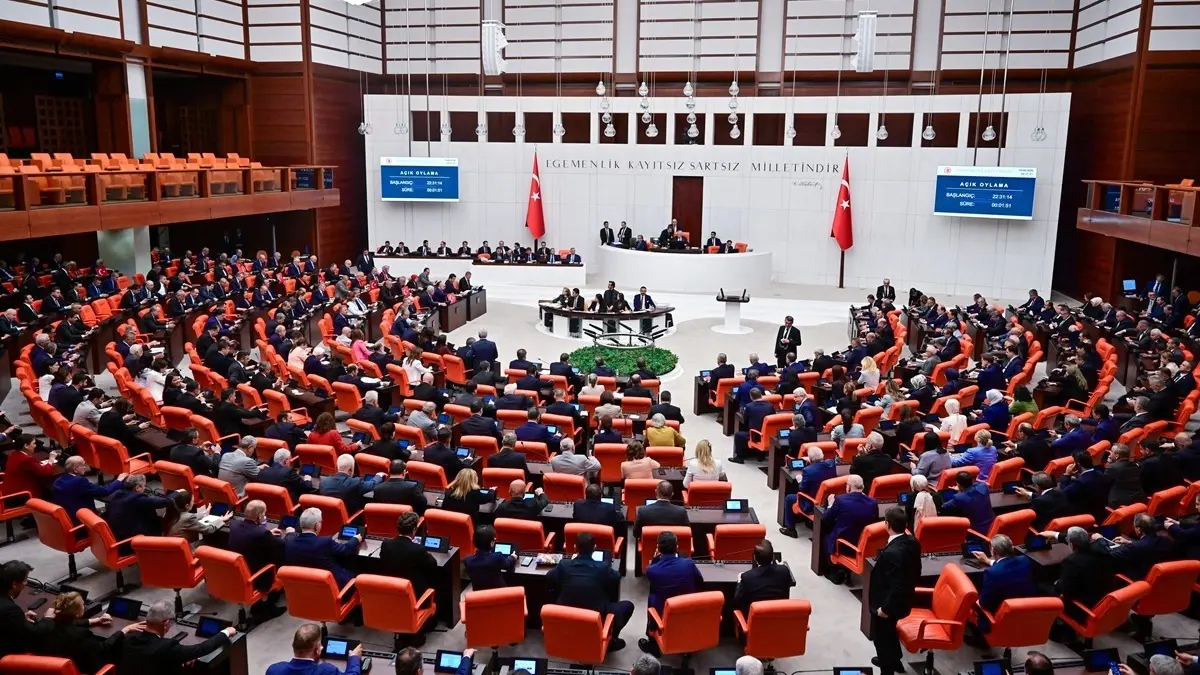
At its weekly briefing on 6 November, the Foreign Office said Pakistan had extended all possible facilitation “in its capacity as an honest mediator” between Iran and the United States, and would continue to do so. Spokesperson Sajjad Haider Khan said peace could only come through political dialogue, not military confrontation.
The statement came amid concerns over possible fresh military action against Tehran, and growing concerns over maritime security in the Strait of Hormuz.
Who Said What
“Pakistan brought the two countries to the negotiating table after 47 years without direct talks, culminating in the Islamabad MoU. It will continue its facilitation alongside other regional countries, including Qatar.”
“Asked who could derail the process, the spokesperson named Israel among the countries whose actions could undermine regional peace and stability.”
“Negotiations and mediation sometimes require time, sustained engagement, and absolute discretion between military establishments.”
Foreign Office Briefing, Islamabad
The Context
The war began on 28 February 2026 with US–Israeli strikes on Iran. Pakistan condemned the attacks on Iran and the Iranian attacks on Gulf states, and offered Islamabad as a venue for talks. Those talks produced the Islamabad MoU.
The process has been under strain since. In July, then-spokesperson Tahir Andrabi acknowledged the MoU was “facing challenges” but said Pakistan remained engaged with all parties. The November briefing repeats that position under a new spokesperson, with one crucial addition: Qatar is now named as a fellow facilitator.
Reading the Statement
Continuity is the message: Islamabad wants Washington and Tehran to know the channel is still open, whatever happens on the battlefield or in US domestic politics.
Pakistan is sharing the load: Naming Qatar signals a broader facilitation effort, not a single-mediator track. That spreads risk and adds a second trusted venue.
Hedging on Washington: The same briefing stressed that Pakistan maintains “excellent relations with all governments, irrespective of who is in power” in the United States.
What a Mediator Can Still Deliver
| Role | What It Looks Like | What It Needs |
|---|---|---|
| Message carrier | Passing positions between capitals when direct contact stalls | Trust on both sides; discretion |
| Venue provider | Hosting technical or political rounds | Both sides willing to sit down |
| De-escalation line | Quick contact to prevent incidents spiralling, including at sea | Standing channels to both militaries |
| Guarantor of process | Keeping the MoU framework alive as a basis for later talks | Partners, such as Qatar, to share the load |
Why It Matters
- For Pakistan: A neighbour at war, a long shared border and Gulf partners within range make de-escalation a direct national interest, not only a diplomatic one.
- For the Gulf: Shipping through Hormuz affects energy prices and remittance economies across the region, Pakistan’s included.
- For Pakistan’s standing: Sustained, credible facilitation builds a reputation that outlasts any single round of talks.
What to Watch
A New Diplomatic Round
Any announcement of technical or political talks in Islamabad or Doha before the end of 2026.
Hormuz Maritime Incidents
Attacks or seizures at sea, which would immediately test the de-escalation channel.
US Strategic Signals
Whether Washington publicly references the Islamabad MoU or the Pakistani facilitation track.

Our Editorial Desk is the intellectual engine of Digital Debate, responsible for the rigorous research that anchors every conversation. Our team deep-dives into data, checks every source, and consults academic literature to move beyond headlines and identify the questions behind the questions.