
Pakistan’s biggest minerals event opened on 12 November, a day after ten police officers died on an anti-mining raid in Kohat. That contrast sets the forum’s test.
On the night of 11 November, ten police officers died in an ambush near Kohat while returning from an operation against illegal gold mining. On the morning of 12 November, a police contingent saluted their coffins.
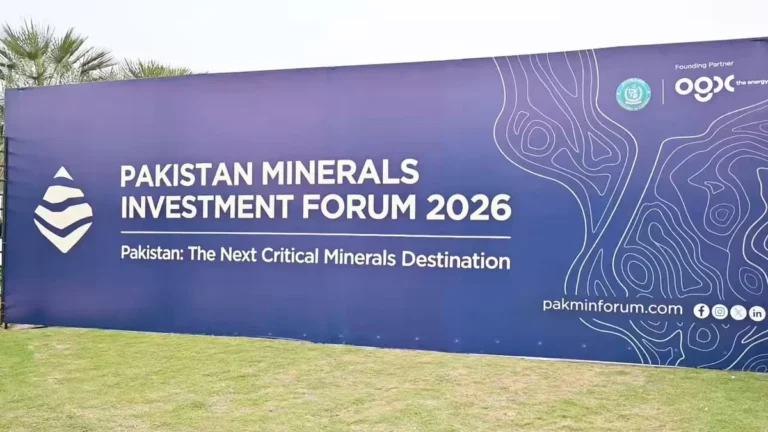
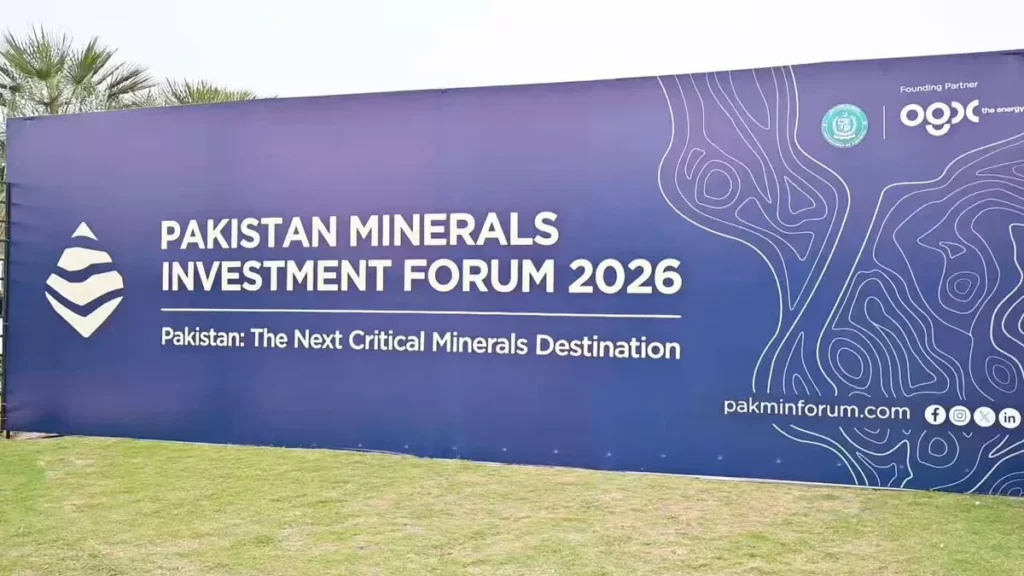
That same day, the Pakistan Minerals Investment Forum 2026 opened in Islamabad. The two-day event runs on 12 and 13 November.
What the forum is and who it serves
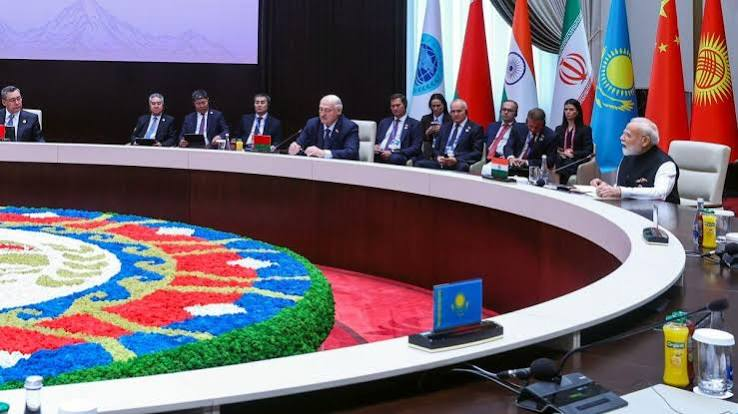
The forum is a meeting between Pakistan and the people who could fund its mines. The government organizes it with the Special Investment Facilitation Council, and it drew delegations from more than 60 countries, along with diplomats, financial institutions and global mining companies. This year’s theme is “Pakistan: The Next Critical Minerals Destination.” The agenda covers policy reform, infrastructure, and Pakistan’s role in global critical-mineral supply chains.
The audience is investors, and the message is simple: Pakistan has the minerals and wants partners to develop them.
What this year’s agenda offered
Finance Minister Muhammad Aurangzeb called mining a potential “game-changer.” He argued that Pakistan must pursue export-led growth and avoid another consumption boom followed by a balance-of-payments crisis. He said Reko Diq, a mining project alone, is expected to earn $2.8 billion in exports once operational, and has secured the largest syndicated financing in Pakistan’s history. He also said foreign investment needs macroeconomic stability, free movement of capital and the trust of local investors first.
Deputy Prime Minister Ishaq Dar called Balochistan vital to the country’s mineral future and noted rising copper demand from the clean-energy transition. He also said the provinces’ constitutional authority over their minerals must be respected.
Provinces made their own pitches:
Punjab, Maryam Nawaz: Mining revenue has risen from Rs10 billion to Rs40 billion in two and a half years, with bidding and licensing online. She cited 261.5 million tonnes of iron ore in Chiniot and placer gold surveys in the rivers.
Sindh, Murad Ali Shah: The province has identified 27 minerals and has a robust mining framework. He highlighted Thar coal and lithium, and urged investors to visit the provinces, not stay in Islamabad.
Balochistan, Sarfraz Bugti: A new security division now protects the mineral corridor. Reko Diq will become operational by 2029, and a fertiliser city is planned in Sui. The mineral department will be digitised before next July.
Khyber Pakhtunkhwa, Faisal Karim Kundi: A provincial mines and minerals company will soon become operational. He assured investors of complete security and hoped for greater confidence by the next forum.
Gilgit-Baltistan, Amjad Hussain Azar: A mechanism is in place to facilitate exploration.
AJK, Syed Iftikhar Ali Gilani: He invited investors to explore the territory’s minerals.
What it has secured so far
Ivanhoe Mines and Mari Minerals signed an agreement to explore copper and gold deposits in Balochistan’s Chagai district. Petroleum Minister Ali Pervaiz Malik also met the heads of Barrick, Weir and Trafigura. Weir wants to expand beyond Reko Diq, and Trafigura is interested in zinc and barite.
These are real signals, but early ones. An exploration agreement means companies will look for minerals. It does not mean mines are open.
A forum with a record to defend
The first forum was held in April 2025, and Army chief General Asim Munir promised investors complete security. He called economic security a fundamental pillar of national security. In September 2025, the Frontier Works Organization signed a memorandum with US Strategic Metals for a first phase of about $500 million. This year’s edition moved from April to November because of regional developments and uncertain international travel.
Analysts keep the bar high. The real measure, Modern Diplomacy argues, is how many memoranda become binding agreements and how many projects reach financial close. That is the right test.
The strategic question
Pakistan’s minerals strategy rests on three things:
Security: Munir’s promise from 2025 now meets a provincial one. A security division for the Balochistan corridor is a start. But a pledge made on a stage must hold on a riverbank, and Kohat shows how far that gap can run. Investors price risk before they price ore.
Rules: The provinces are digitizing bids and licences, and that helps. The next step is one public register of leases, with holder, block and royalty, so investors can see who owns what. Dar’s point on provincial authority also needs a practical answer: a published share of royalty for the district where the mineral is dug.
Trust: Aurangzeb is right that local confidence comes first. Investors watch whether Pakistanis themselves back the sector. They also watch whether privatisation and reform continue after the speeches end.
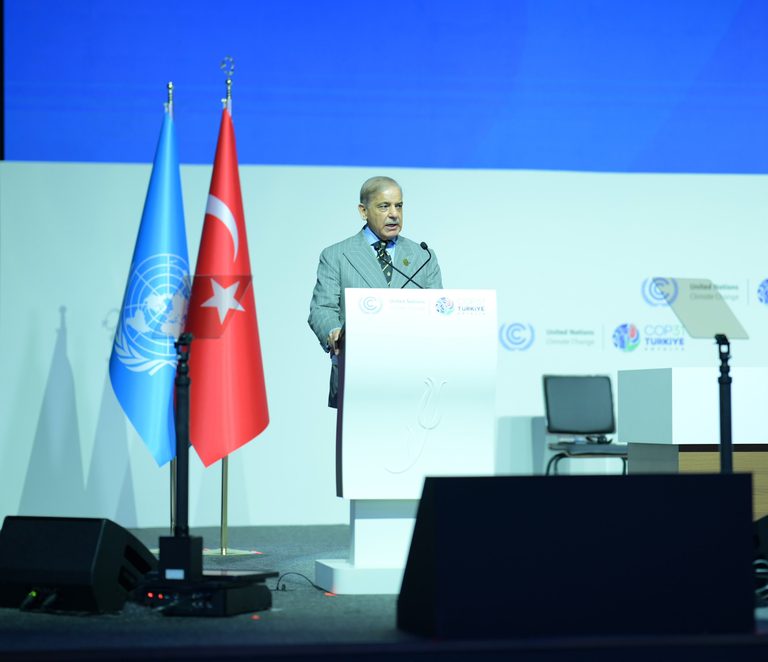
The Prime Minister and Field Marshal Asim Munir are scheduled to address the forum today. Their words will matter, but a record will matter more. Investors need to see leases published, projects reaching financial close and districts sharing the gain.
A forum is a promise. The mines will be the proof.
Read More: https://digdebate.com/kohat-ambush-illegal-gold-mining-security/

Our News Desk represents a rapidly expanding frontier in contemporary journalism, focusing on the intersection of technological advancement, geopolitical narratives, and the shifting dynamics of public information.