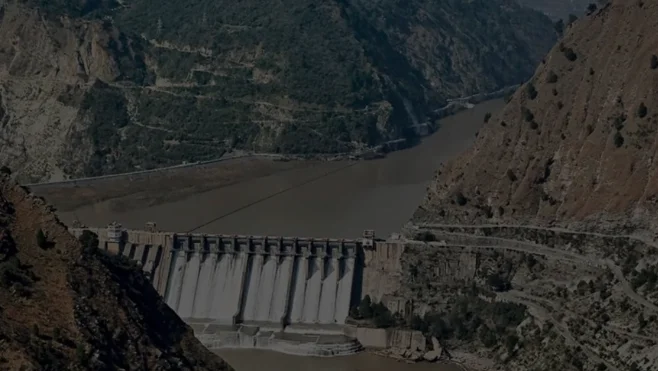
The Indus Is Not Just a Treaty; It Is Pakistan’s Lifeline: Why Civil Society Must Join the Battle for Water
The next great conflict in South Asia may not be fought with missiles alone, but with dams, canals, and hydroelectric projects.

The next great conflict in South Asia may not be fought with missiles alone, but with dams, canals, and hydroelectric projects.

In reality, a tax cut merely alters a number on a balance sheet; it leaves supply chains entirely untouched.

A state that once administered three continents and managed dozens of distinct civilizations within a single institutional architecture does not experience what Western observers call contradiction.

The primary victim of this political project is the ethical and philosophical integrity of Hinduism itself.
What it lacks is the one thing that converts tactical success into structural influence: a codified foreign policy doctrine.
If accusations take the place of evidence, then the potential for peaceful crisis management is reduced.
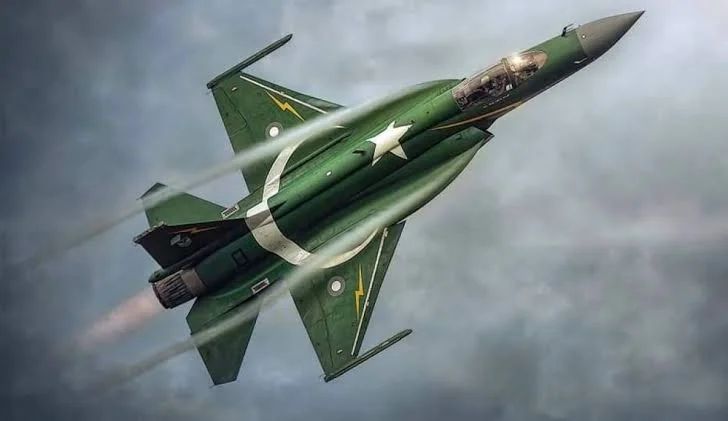
Pakistan ended the operation not because it was forced to, but because it had achieved every one of its objectives.
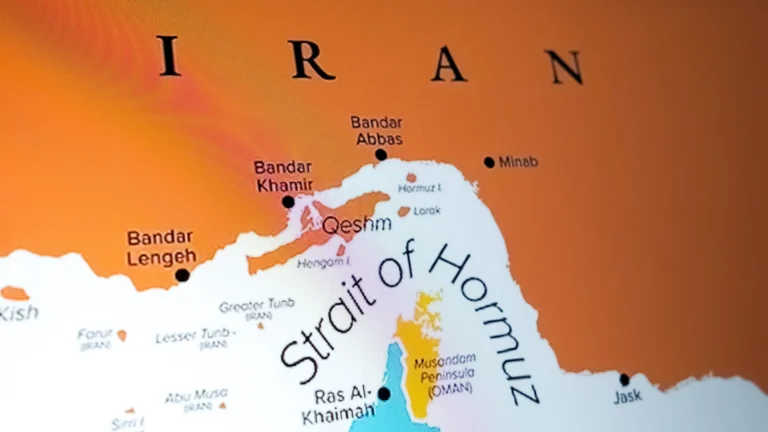
The world’s energy architecture was built around a passage, and nobody built the protection to shield the bystanders.
Pakistan’s cricket decline is not about a single loss, but a system that has drifted from accountability and merit.
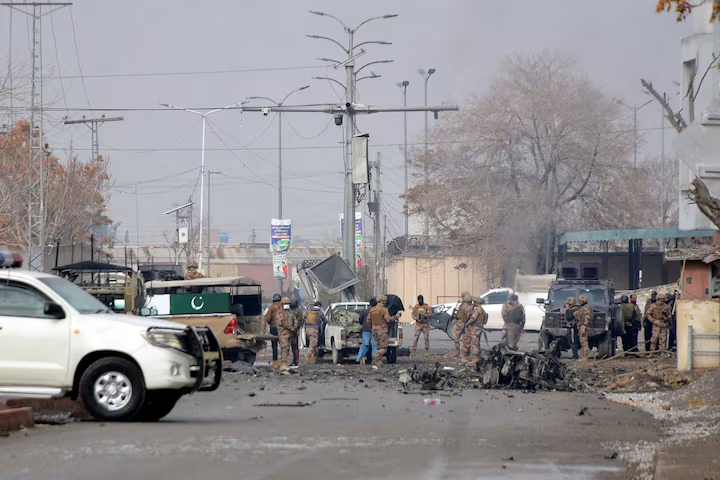
The true cost of attack isn’t always found in casualty lists; sometimes it’s the imposition of fear over a city’s soul.