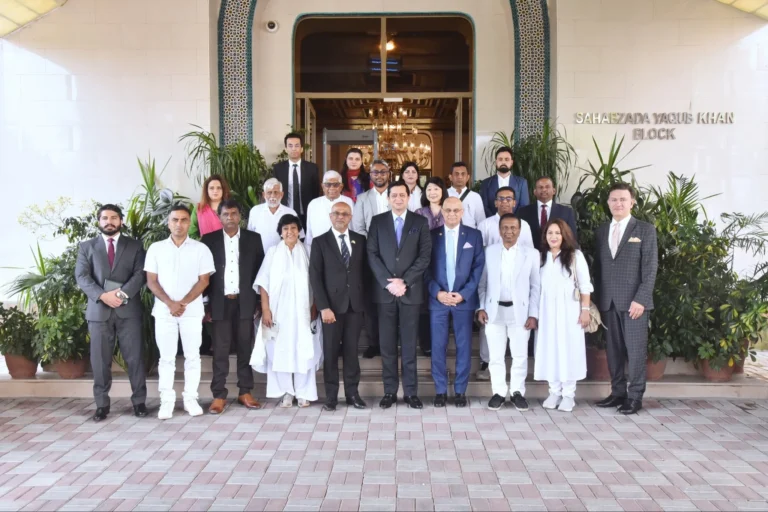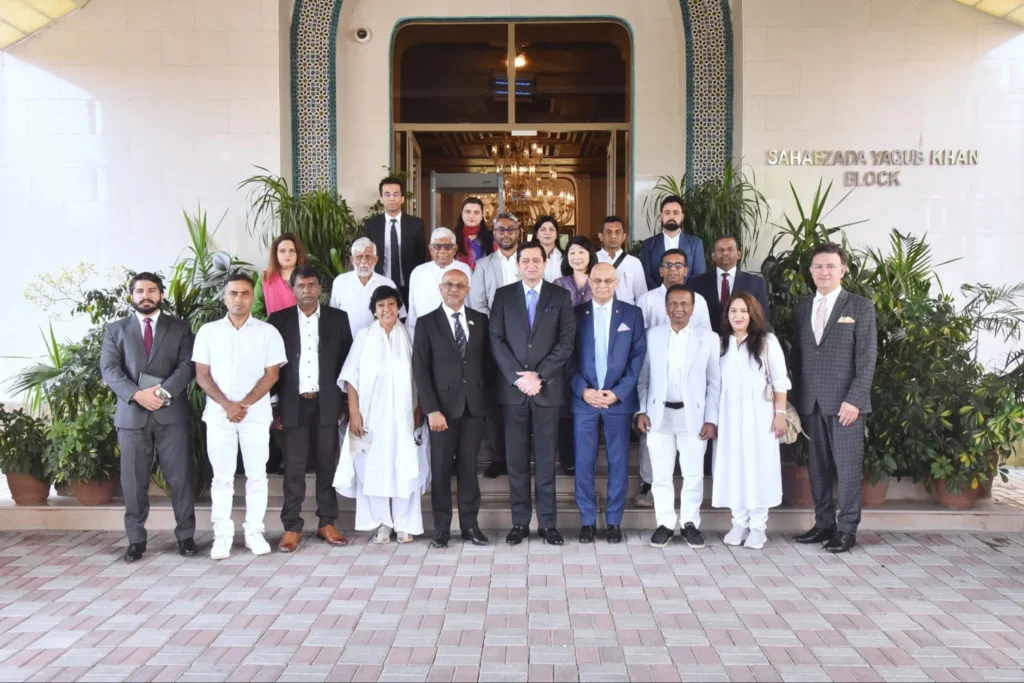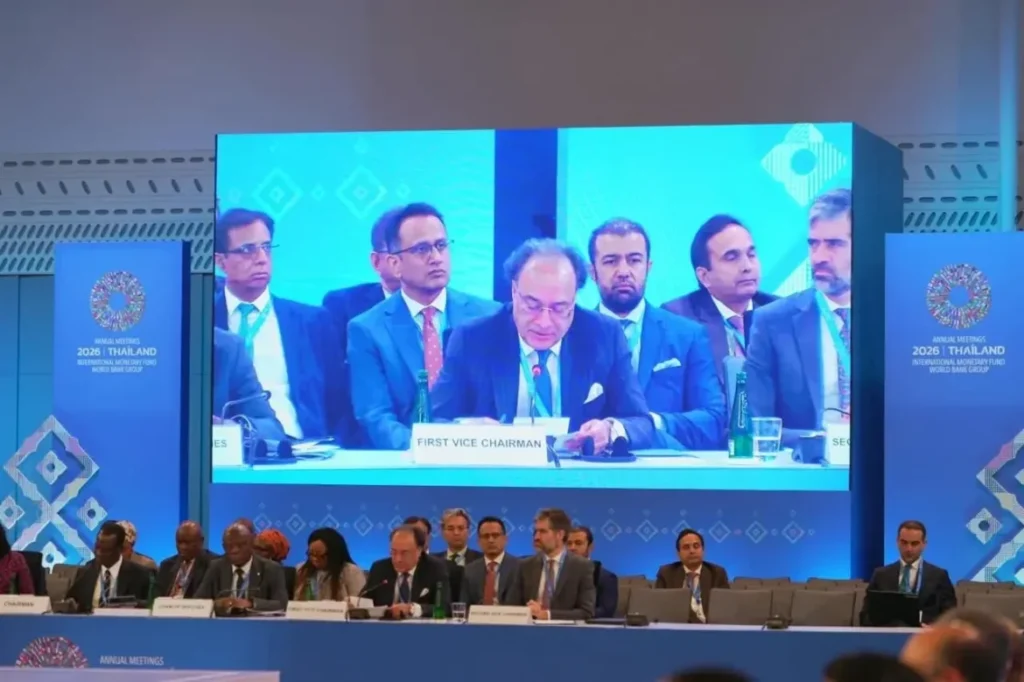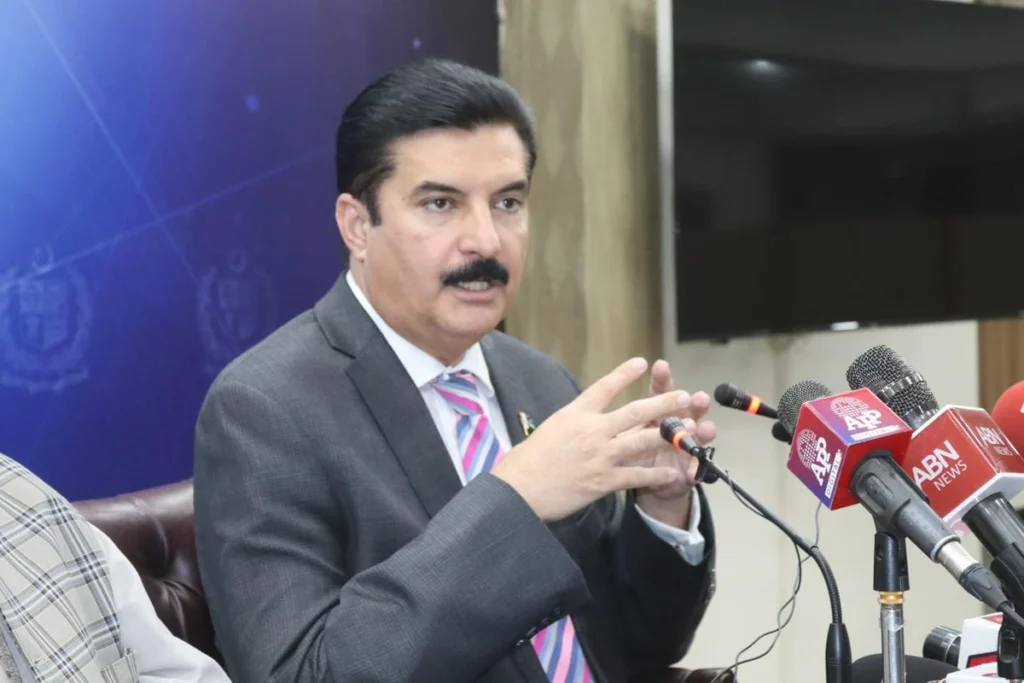

Pakistan assumed the chairmanship of the Group of 24 on Sunday, taking over from Nigeria. Finance Minister Muhammad Aurangzeb pledged to strengthen developing economies’ collective voice and push for a fairer international financial system. He set three priorities: development at the centre of global policymaking, stronger multilateral frameworks, and a development-oriented financial architecture. In practice, that means stability supporting investment and jobs, fairer governance at the Bretton Woods institutions, and affordable development finance. He also promised work on sustainable debt solutions, stronger global safety nets, and climate resilience.
Aurangzeb called the role a serious responsibility and thanked Nigeria for its leadership as outgoing chair. He promised to work with members across Africa, Asia, Latin America and the Caribbean, alongside the IMF and World Bank. He also said Pakistan’s own experience of stabilisation and reform would guide its approach to the chair. President Asif Ali Zardari called it an important opportunity for effective representation of developing countries. The Prime Minister called it a diplomatic milestone and praised the finance team’s showing at IMF and World Bank meetings. Aurangzeb wants the group to move “from collective voice to collective influence,” judged by outcomes, not rhetoric.
What is G-24
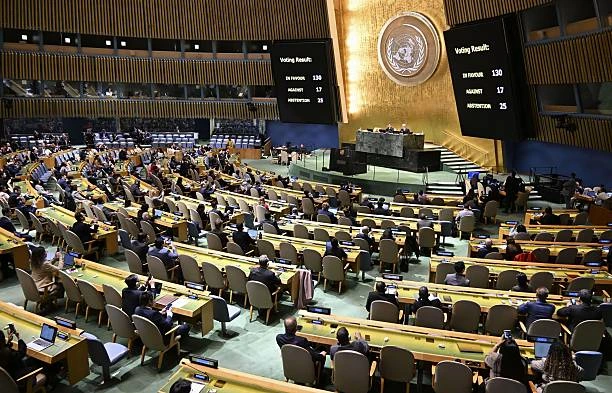
The G-24 was established in 1971 to coordinate developing countries’ positions on international monetary and financial issues. It has grown to 28 members across Africa, Asia, Latin America and the Caribbean, including Brazil, India and Egypt. It decides by consensus and operates through a permanent secretariat. It is not a lender, and its decisions carry no binding authority.
Its power lies in agenda-setting: shaping common positions that members carry into the IMF and World Bank. Those institutions still reflect the economic order of 1944 more than today’s world. Members usually meet around the IMF and World Bank spring and annual meetings to align positions. The chair convenes meetings, builds consensus among members, and represents the group before international partners.
For Pakistan, chairing that process means shaping the developing world’s financial conversation during its tenure.
Economic Gains
The chairmanship brings no money and no relief from existing obligations. What it offers is access, agenda influence and credibility. Aurangzeb’s priorities mirror Pakistan’s own pressure points: debt sustainability, borrowing costs, climate shocks and policy space for reforming economies. The 2022 floods showed how quickly climate damage turns into a financing crisis.
Climate finance is the clearest opening, because vulnerable economies bear costs they did not create.
Debt is the second, because high interest payments crowd out spending on health, education, and infrastructure. Leading the group gives Islamabad direct channels to IMF and World Bank leadership. It also gives Pakistan allies to argue alongside, rather than pleading its case alone. Chairing may also improve Pakistan’s standing in talks with partners, since it arrives as coalition leader, not only borrower. The role also signals to investors and partners that Pakistan is stabilising and looking outward. That perception helps, but only modestly, and it fades quickly without results.
Three Tests
An honest assessment must start at home. Advocating fair financing abroad is more persuasive when domestic finances are in order. Pakistan has repeatedly relied on IMF support, and its economy still depends on a narrow tax base. Energy sector losses, loss-making state enterprises and a thin export base add to that weakness. The chair’s platform cannot fix these problems; only domestic reform can. Pakistan should therefore treat the chair as a platform for reform diplomacy, not a substitute for reform itself. Markets and partners will watch whether domestic policy matches the language used abroad. Aurangzeb himself said tangible outcomes must judge leadership, so three tests stand out:
- Concrete output: a joint G-24 position on debt relief and climate finance, carried into the next IMF and World Bank meetings.
- Real gains: cheaper financing or better restructuring terms for developing economies, Pakistan included.
- Reform at home: tax, energy and state-enterprise changes that match the credibility the chair confers.
The implications extend beyond economics. Pakistan is building a multilateral profile: US-Iran mediation, its Security Council term, and now the G-24 chair. Together, these present Pakistan as a bridge between the Global South and the major financial institutions. That counters narratives of isolation and strengthens Islamabad’s diplomatic standing.
The chair also tests statesmanship, because India sits in the same group. Consensus bodies cannot function unless the chair works with every member; how Pakistan manages that will say as much about its diplomacy as any communiqué. Other developing economies will watch closely, because Pakistan’s performance shapes how effective the group appears. A well-run chairmanship could also deepen ties with African and Latin American members, widening Pakistan’s economic partnerships.
Expectations must also stay realistic. Reform of IMF and World Bank governance is slow because powerful shareholders hold decisive votes. A chair can raise the cost of ignoring developing countries, but cannot force change alone. If Pakistan pushes specific, achievable proposals while strengthening its economy at home, this chairmanship becomes a real opening. If it stays ceremonial, it will be remembered as another milestone that changed nothing. The year ahead will show whether the voice Pakistan has won turns into influence.

Our News Desk represents a rapidly expanding frontier in contemporary journalism, focusing on the intersection of technological advancement, geopolitical narratives, and the shifting dynamics of public information.