We live in a strange age. Information has never been easier to find, yet finding the truth has rarely felt more difficult.
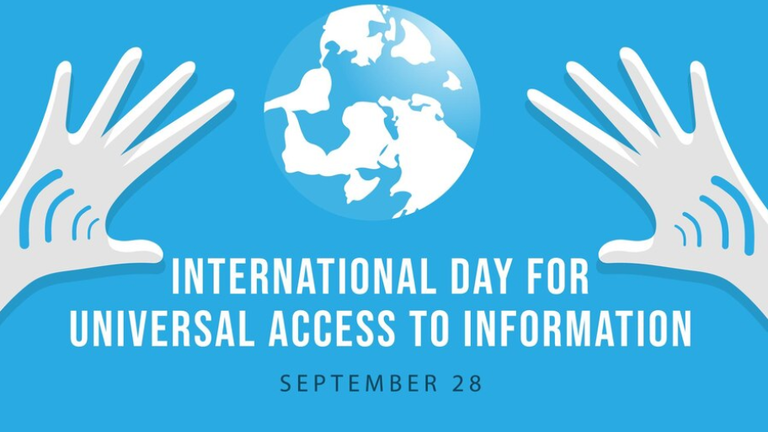
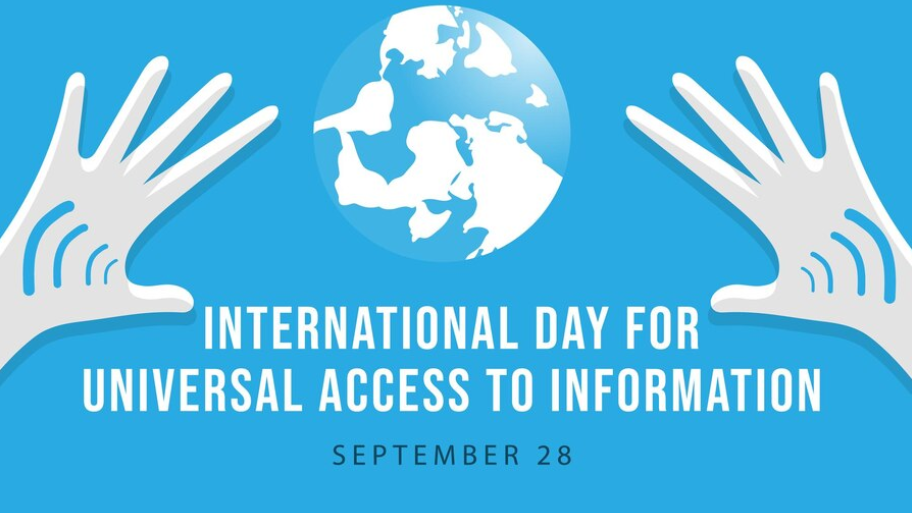
A few taps on a phone can bring us government documents, court decisions, economic figures, research papers and breaking news from across the world. Social media can tell us what happened within seconds. Search engines can answer questions almost instantly. Yet having access to information does not necessarily mean having access to knowledge.This is what makes the International Day for Universal Access to Information more relevant than ever.
The conversation around access to information often focuses on whether governments make information available. That remains important. Citizens have a right to know how decisions are made, how public money is spent and why policies affecting their lives are introduced. But there is another side to the problem that deserves attention: what happens after the information reaches the public?A government website may publish hundreds of pages of data, but how many ordinary citizens can understand them? A budget document may be publicly available, but does a small business owner know what it means for their taxes? A climate report may contain valuable research, but can a farmer easily understand how it affects his crops?
Information that cannot be understood can become almost as inaccessible as information that is hidden.There is also a new challenge. We are no longer living in an age of information scarcity. We are living in an age of information overload.
Every major event produces thousands of posts, videos, headlines and opinions. Artificial intelligence can generate convincing text within seconds. A misleading claim can travel across millions of screens before a correction reaches even a fraction of that audience.This changes the meaning of access to information. The challenge is no longer simply getting information. It is knowing where it came from, whether it is reliable, what context is missing and how different facts connect with one another.
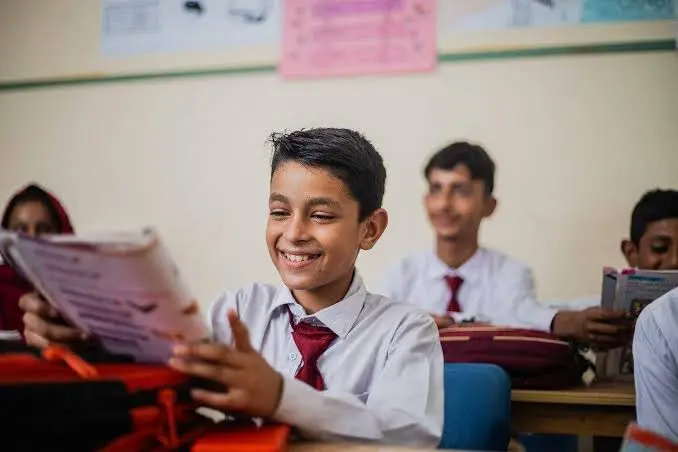
For developing countries such as Pakistan, this question is particularly important. Access to information should not be limited to journalists, lawyers, academics or people who understand government systems. A citizen in a remote village should be able to understand information about public services just as much as someone living in a major city.
The real measure of an informed society, therefore, should not be the number of documents it publishes. It should be whether ordinary people can use information to make sense of the decisions that affect their lives.Perhaps this is the perspective we should bring to this year’s International Day for Universal Access to Information.
The goal is not simply to create a world where information is available.
It is to create a world where people can find it, understand it, question it and use it.
Because information becomes powerful only when it reaches people in a form they can actually use.

Our Editorial Desk is the intellectual engine of Digital Debate, responsible for the rigorous research that anchors every conversation. Our team deep-dives into data, checks every source, and consults academic literature to move beyond headlines and identify the questions behind the questions.