
Benjamin Netanyahu walked up to the podium at the UN General Assembly on Thursday and found himself speaking to rows of empty chairs. Seventy-seven delegations had already left the hall before he said a word. By the time he began, over a hundred diplomats had walked out. It was the second year in a row this has happened to him. If a man keeps losing the room, at some point it stops being a coincidence and starts being a verdict.
Netanyahu’s response was to insult the people who left. “If there are any other moral cowards who haven’t yet left this hall, please do so now,” he said, before they were even fully gone. It takes a particular kind of arrogance to call an entire hall of ambassadors cowards for refusing to sit through your speech. But arrogance has been the one constant in Netanyahu’s diplomacy for two years now. He spoke of Gaza, and called the genocide accusations against Israel “the biggest lie of the century.” He pointed to aid trucks as proof of innocence, as if letting food in erases what happened to the people eating it. The numbers tell a different story than he does, tens of thousands dead, most of them women and children, hospitals running without fuel, and a devastated strip that outside monitors have already flagged as facing famine conditions.
What made this year different wasn’t just the size of the walkout. It was who did it. This wasn’t only the usual bloc of Muslim-majority states. It included delegations from across the developing world, people who came to New York this week and decided that sitting through Netanyahu’s speech wasn’t worth the price of their own conscience. Even a former Israeli prime minister, Naftali Bennett, criticized parts of the speech from the other direction, accusing Netanyahu of going soft on Qatar. Netanyahu is not just isolated abroad. He is losing ground inside his own political class, weeks before an Israeli election he badly needs to survive.
Turkish President Recep Tayyip Erdogan set the tone earlier in the week, two days before Netanyahu even spoke. He told the Assembly that Gaza had become “the world’s largest graveyard for children,” with the highest rate of child amputees anywhere in the world. He said the UN itself, an institution built 81 years ago to prevent exactly this kind of catastrophe, has been rendered unable to do its job. He called again for countries still withholding recognition of a Palestinian state to reconsider. It was his sixteenth time addressing this Assembly, and by his own framing, one of the darkest.
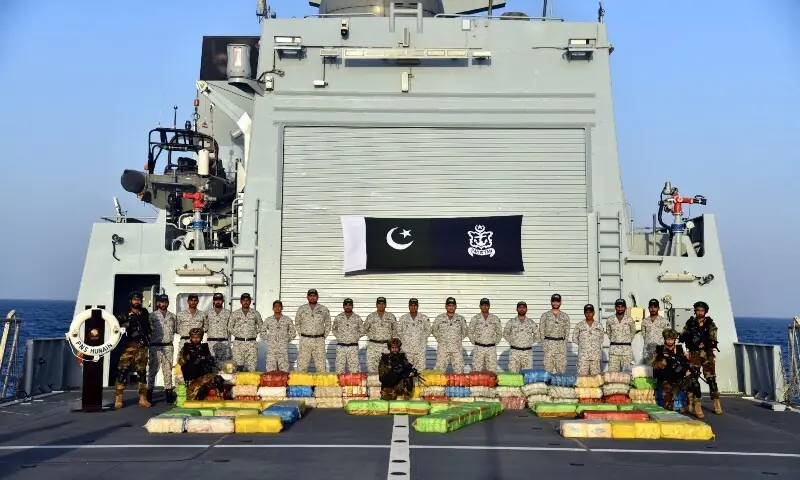
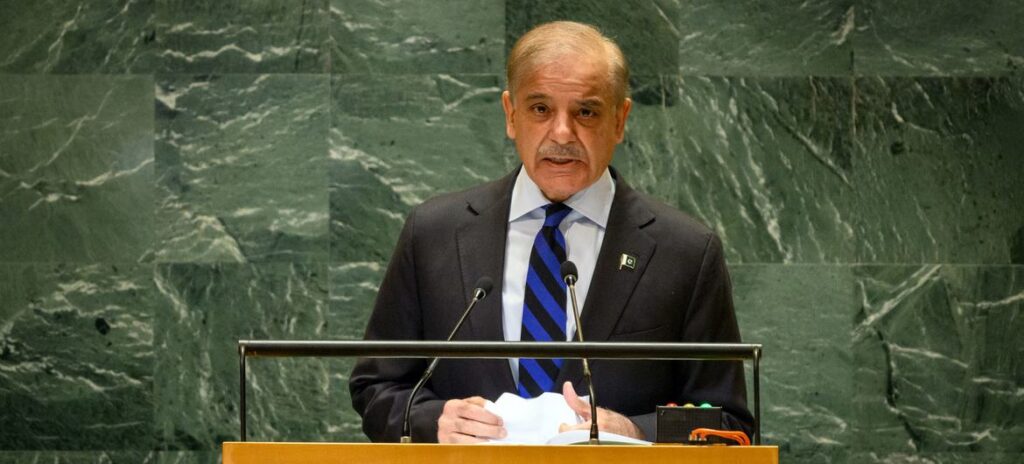
Pakistan’s position has been consistent through this entire war, not just this week. Pakistan’s UN envoy has repeatedly told the Security Council that Israel is an occupier that plays the victim while violating UN resolutions and practicing state terrorism in Gaza and the occupied Palestinian territories. That is not a one-off soundbite. It is the position Islamabad has held through ceasefire mediation, through the Iran war, through months of Security Council sessions where Pakistan has pushed back hard against Israeli framing.
None of this ends the war on its own. Words at a podium do not rebuild a hospital or bring back a child. But diplomacy runs on legitimacy, and legitimacy is exactly what Netanyahu lost this week, in front of the cameras, in the room he needed most. A leader who has to call the world’s diplomats cowards for leaving is not describing their weakness. He is describing his own isolation, and refusing to say the word out loud.

Our Editorial Desk is the intellectual engine of Digital Debate, responsible for the rigorous research that anchors every conversation. Our team deep-dives into data, checks every source, and consults academic literature to move beyond headlines and identify the questions behind the questions.