In February 2026, the Balochistan government carved a new district out of Kech. They called it Tump, and Chief Minister Bugti announced that its creation was meant to boost governance in the area. For years before that, a resident of Tump needing a land record corrected, a case registered, or a hospital referral signed had to travel to Turbat first, and often further, just to find an official with the authority to act. The problem was not that the officials were absent, but the map made them unreachable. That single, quiet decision, one new district, one new office, says more about Balochistan’s governance crisis than any policy paper.
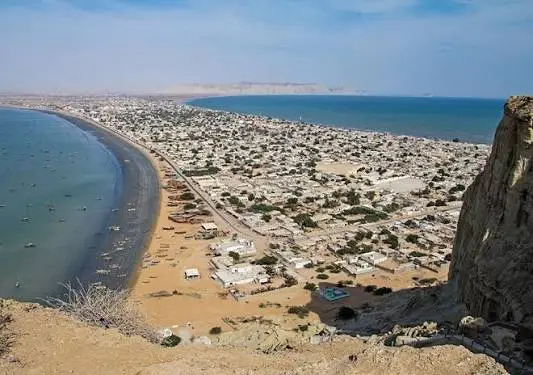
Balochistan has a land area of 347,190 sq km, which accounts for 43.6 percent of the total land area of Pakistan and is composed of desert, coastal, and mountain areas in almost equal proportions. As of the 2023 census, it has a population of just under 14.9 million, which is the lowest for a province of its size. The newly established Rakhshan division alone covers an area of around 100,000 sq km, which is as large as the entire Khyber Pakhtunkhwa province. A single administrative unit stretched across that kind of geography does not fail because its officers are careless but because those officers can’t be present everywhere at once.
This July, Quetta put that math to work. A very extensive reorganization was announced by the provincial government, which divided the eight divisions into twelve, the thirty-six districts into forty-one and the capital, Quetta, into East and West, the latter having its own subdivisions along the old railway line. Kalat division disappeared, replaced by Khuzdar and Lasbela divisions, each closer to the people it serves than the old, wider unit ever was. The government framed the move as a step toward development in marginalized areas and better local governance.
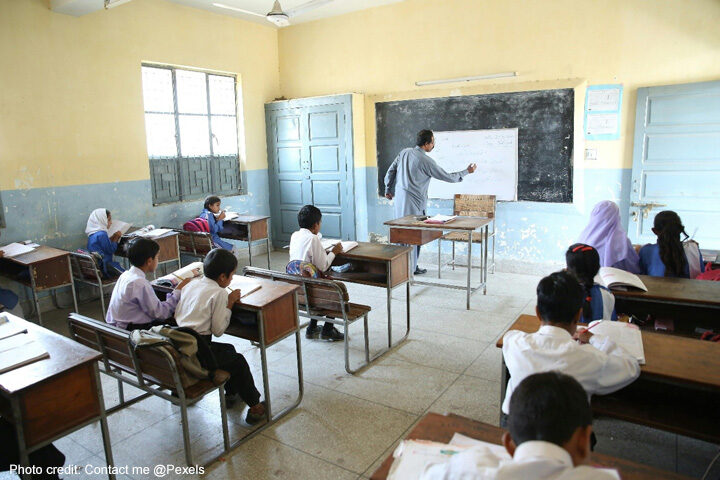
The biggest problem with large administrative areas is service delivery. A deputy commissioner responsible for a district, about the size of a small country, cannot visit every tehsil in a month, let alone a week, and a police officer covering the same ground cannot respond to an emergency within an acceptable time. A health office serving a population spread across mountain passes and desert roads cannot track outbreaks, deliver vaccines, or staff clinics with any real reach. Every one of these failures gets counted, later, as a governance failure of the province as a whole.
Smaller units fix this in ways that are measurable, not abstract. An office two hours away replaces one that took a full day to reach. A district health officer with a few thousand square kilometers to cover instead of tens of thousands can actually visit the clinics under their charge. Development budgets, when tied to a district instead of a sprawling division, become traceable, so a road promised in one place cannot quietly become a road built somewhere else fifty kilometers away.
The recent restructuring is not the first attempt at this fix, and it will not be the last. Rakhshan division itself was carved out of Quetta and Kalat divisions for the same reason. Kohlu gained new subdivisions this July alone, closing gaps that had existed for decades. The reasoning behind each of these moves is that government works better when it sits closer to the governed.
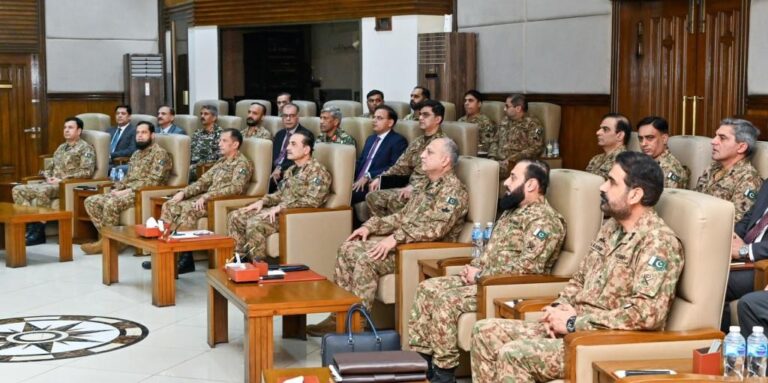
None of this went unquestioned. In the Balochistan Assembly, the debate turned into a walkout. Former chief minister Nawab Aslam Raisani took the floor and rejected the plan outright, objecting specifically to Kachhi’s move into Sibi division and Mastung’s move into Quetta division, both regions he said carried centuries of history tied to the old Kalat state. Other lawmakers followed him out of the chamber. A delegation later brought them back, but the walkout made the point on its own: redrawing a map, even for governance reasons, touches identity as much as administration.
A separate and older proposal, splitting Balochistan into two full provinces instead of more divisions within one, draws sharper resistance still. Baloch nationalist parties read any division of the province’s territory as a way to shrink Baloch political weight, and a southern province built around Gwadar as a way to hand the coast to a federal government less answerable to the people who live on it. In a province shaped by decades of grievance over resource control and central neglect, a map redrawn from Quetta or Islamabad reads, to many, as one more thing taken rather than one more service delivered.
That distinction is the one this debate keeps losing. A district office closer to its people is not the same proposal as a new province cut along ethnic lines, and collapsing the two, whether to sell the idea or to kill it, serves neither argument well. The walkout in the assembly and the fear behind it are real, and no restructuring will work if it ignores them. But so is the family in Tump that no longer has to cross a district to register a birth. Balochistan does not have to choose between governing well and governing carefully. It has to do both at once by clearly naming what kind of division is being done.
Read more: https://digdebate.com/pakistan-governance-crisis-new-provinces-local-government/

Fakeha Laique is a Bachelor's graduate in International Relations from BUITEMS, Quetta and a young researcher with a growing focus on international relations, regional dynamics, and security issues in South Asia.