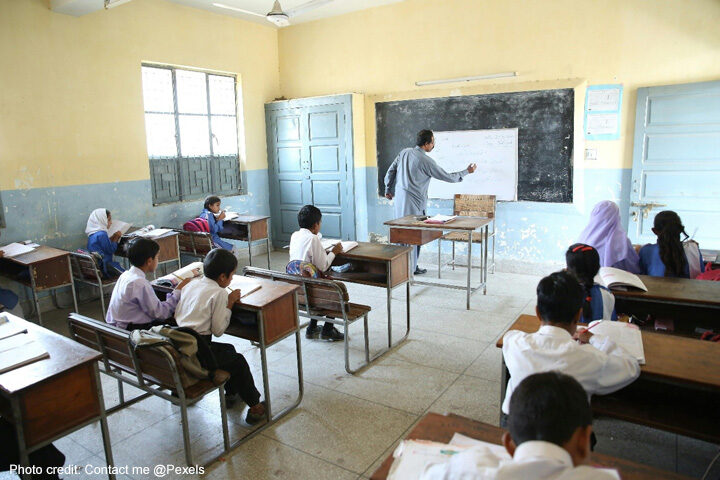
The declaration of 143 government school buildings in Rawalpindi district as fully or partially unsafe is a serious warning. Pakistan’s public infrastructure cannot depend on inspections that happen only after a crisis. According to the Communication and Works Department, the share of these buildings in deteriorating condition ranges from 20 to 80 percent. One school has already been evacuated, and its students have been moved to another building.
Treat this as more than a routine administrative report. A school building is where children spend much of their day, where teachers do their work, and where families trust the state to keep their children safe. When classrooms become structurally unsafe, the issue goes beyond maintenance budgets and departmental files. It raises the question of whether the state meets its basic duty to protect children and to provide education in a secure and dignified setting.
A Tragedy That Must Not Be Repeated
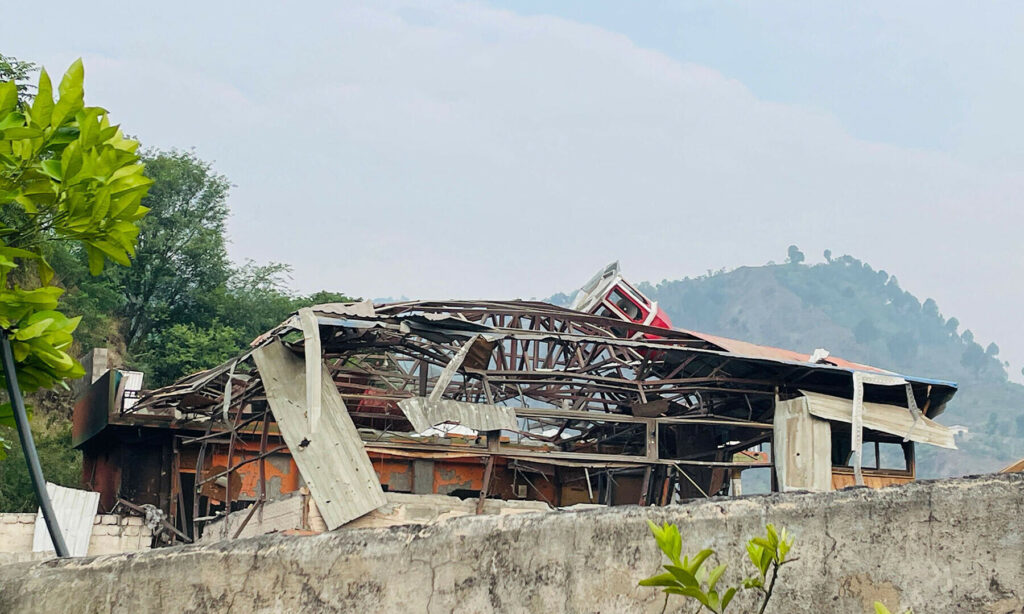
The recent roof collapse at a private school in Peshawar gave this issue its urgency. It killed more than 30 children and a teacher. Calling it an unfortunate accident would be wrong. Weak construction, poor maintenance, and delayed safety checks created the conditions, and they were ignored until people died.
The Peshawar collapse led the Punjab government to order inspections of school buildings. In Rawalpindi, the district administration began checking about 8,300 schools, roughly 1,300 government and 7,000 private.
It formed 47 teams to examine structural stability, fire precautions, emergency preparedness, and security arrangements. The size of this exercise shows that authorities recognise the danger, but recognition alone cannot save lives.
The children who died in Peshawar must not become a statistic that officials remember only when another roof collapses. Their deaths should push every district in Pakistan to examine its schools honestly, repair what is damaged, and close what cannot be made safe.
A Necessary Audit, But Not Enough
The Rawalpindi administration deserves credit for carrying out an inspection of this size so soon after Peshawar. The audit has brought to light a problem that incomplete records, official silence, and postponed repair requests might have kept out of public view. Identifying 143 unsafe government school buildings is an important step toward accountability.
An audit is only the first step, though. What matters is what happens after a building is declared dangerous. If hazardous classrooms are sealed while students keep studying in nearby rooms, corridors, or temporary spaces, the state has identified the danger without removing it.
Notices, barriers, and temporary relocation do not amount to safety. Safety requires an engineering assessment, immediate evacuation where necessary, transparent repair plans, and firm deadlines for reconstruction.
Government Pahlavi High School for Boys was declared completely unsafe and evacuated. Its students have reportedly been moved to Zarai Farm School. That is a necessary emergency measure, but it cannot become permanent.
Children should not have to sit in overcrowded classrooms or travel to distant buildings for years while repairs to their own school wait for approval.
The Cost of Delayed Maintenance
These 143 buildings did not reach this condition overnight. Cracked walls, weakened roofs, damaged boundary walls, and deteriorating classrooms usually result from years of postponed repairs, small maintenance budgets, and weak monitoring. By the time a building is declared unsafe, repairing it often costs far more than routine maintenance would have cost.
This is where criticism is fair and necessary. Governments often announce inspections after a tragedy, but they rarely keep a permanent system of structural monitoring. Punjab needs to stop relying on reactive audits and set up an annual, independent safety assessment for every public educational institution. Each school should have a documented safety status, a repair schedule, and a named officer responsible for carrying it out.
Minor cosmetic repairs also need to be separated from real structural rehabilitation. Painting a wall or replacing a broken window may improve how a school looks, but it does nothing for a weakened roof, corroded support beams, or an unstable foundation.
Public money should pay for repairs designed and supervised by engineers, not for quick fixes meant to quiet the headlines.
What Must Be Done Now
The first priority is protecting students and staff immediately. Any building or section declared fully unsafe must be vacated without delay, whatever inconvenience the alternative arrangements cause. Partially unsafe buildings should stay in use only if qualified structural engineers certify that the damaged areas are isolated and the remaining space is safe.
Second, the Punjab government should publish a report for each affected school. It should state the nature of the damage, the number of students affected, the estimated repair cost, and the deadline for completion. Transparency will stop rumours, reassure parents, and make it harder for departments to delay. Funds should be released on the basis of verified engineering reports, not political preference or media pressure.
Third, safety measures must go beyond structural repair. Schools need working fire extinguishers, clearly marked emergency exits, regular evacuation drills, first aid arrangements, safe boundary walls, and routine inspection of rooftops and staircases.
Teachers and administrative staff should receive basic training in emergency response, because a sound building does not prevent panic during an incident. Parents should be told promptly when a classroom is closed, relocated, or declared unsafe, so they do not first hear about the risk on social media or in the news.
A Question of Political Priority
Pakistan often speaks passionately about education, enrolment, curriculum reform, and digital learning, yet the physical safety of schools gets far less attention. This imbalance must change.
A child gains nothing from a modern curriculum if the roof is unstable or the boundary wall endangers those inside. Investment in education must start with the most basic requirement, which is a safe place to learn.
The Rawalpindi audit has done the country a service by exposing the problem before another disaster. Exposure, however, does not prevent anything on its own. The government must now show that it treats school safety as a mandatory obligation. Repairs should begin immediately, funds should be released openly, and no child should be asked to study in a building that officials themselves have declared dangerous.
If Rawalpindi’s 143 unsafe school buildings become another forgotten report, the failure will belong to the authorities who knew the danger and did not act. The engineers who identified the risk will have done their job. Peshawar showed what delay costs. Parents should not have to wait for another tragedy before their children’s classrooms are made safe.
Read More : Pakistan’s School Safety Crisis and Regulatory Failures
Peshawar School Roof Collapse Kills 28, Mostly Students

Our News Desk represents a rapidly expanding frontier in contemporary journalism, focusing on the intersection of technological advancement, geopolitical narratives, and the shifting dynamics of public information.