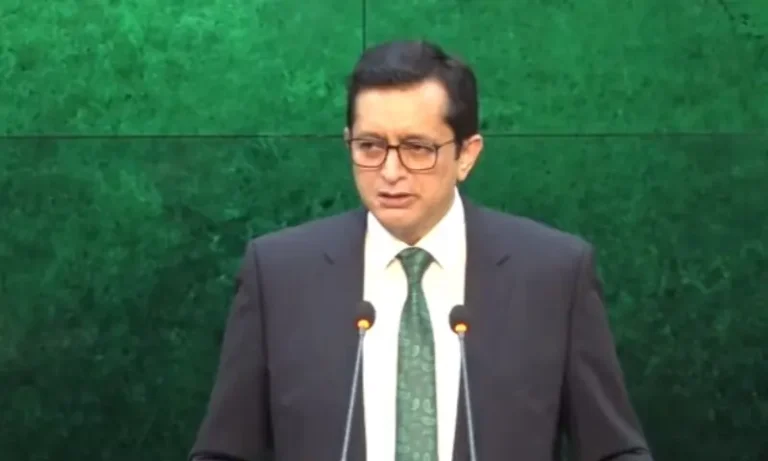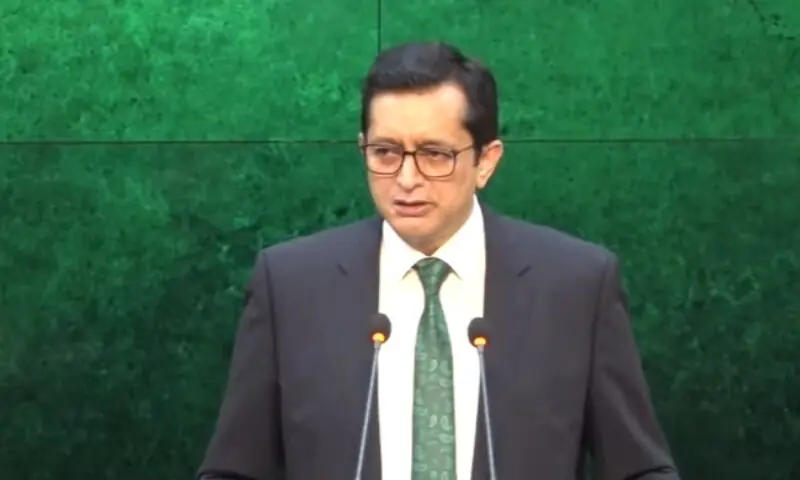

General (retd) Zubair Mahmood Hayat, former Chairman of the Joint Chiefs of Staff Committee, has warned that leaving the core disputes between Pakistan and India unresolved will produce more dangerous confrontations in the future.
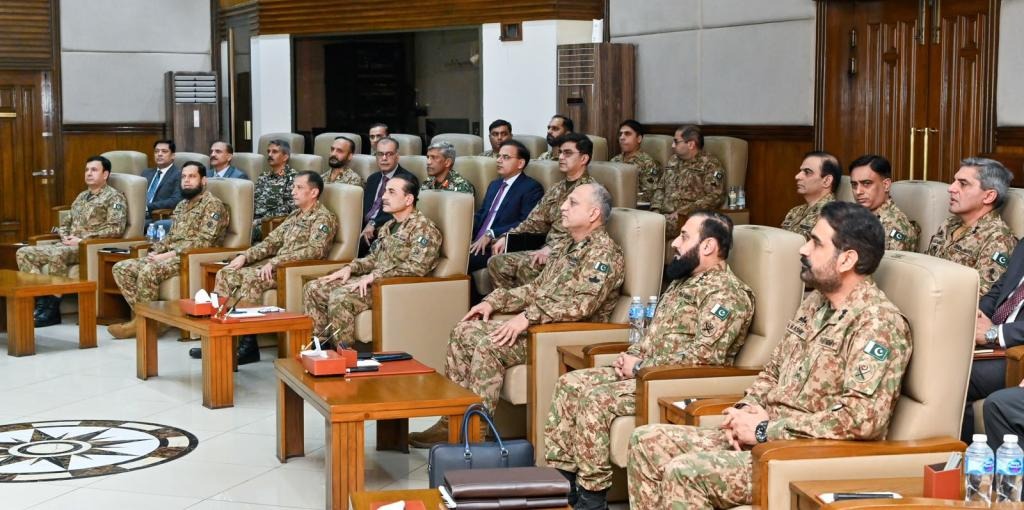
Speaking at the concluding session of the second Islamabad Non Proliferation Conference, organised by the Strategic Vision Institute (SVI), he said that ending a crisis without addressing its root causes only sets the stage for the next, potentially more hazardous one. The two day conference brought together Pakistani and international experts to discuss deterrence, escalation risks, arms control and nuclear stability in South Asia.
General Hayat named the Jammu and Kashmir dispute and the suspension of the Indus Waters Treaty as the main drivers of recurring instability. He said Kashmir cannot be dismissed, treated as an administrative matter, or removed from the region’s strategic reality.
He also said water must remain a shared necessity and must never become a tool of coercion or political pressure. He called for a lasting resolution of the Kashmir dispute and for restoration of the treaty, which India placed in abeyance after the April 2025 Pahalgam attack.
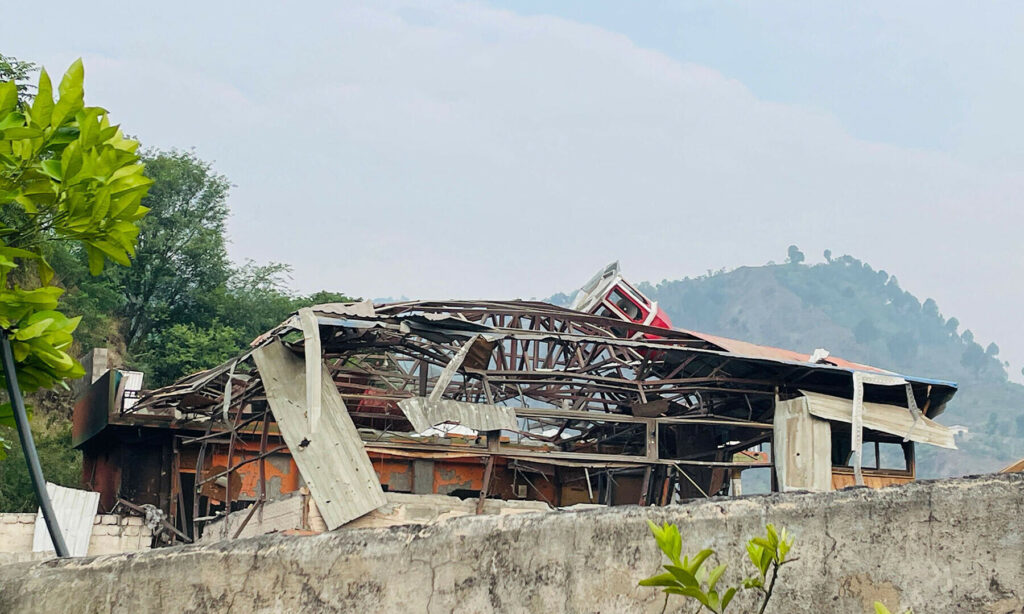
Turning to the May 2025 conflict, he said Pakistan showed both military capability and political restraint through a calibrated response. In his view, that response stopped India from imposing a unilateral fait accompli and kept the confrontation from becoming an unlimited war. He said the lesson is that no tested or certified safe space for war exists in South Asia, and that conflict between two nuclear armed states must never be treated as normal.
General Hayat cautioned that future crises could be more volatile. They would unfold under different leaders, with new technologies and shorter decision making timelines. He said these conditions raise the risk of miscalculation, especially when unverified allegations can trigger hostilities before facts are established. He pointed to Operation Sindoor as an example of how a future confrontation could start from an accident or a misperception instead of a deliberate state decision.
The former military chief said South Asia still has no inclusive regional security framework, no effective crisis management mechanisms and no sustained political dialogue. He described the region as caught between deterrence, which prevents the worst outcomes, and unresolved disputes, which keep creating new danger.
His remarks matched wider concerns voiced at the conference about weakening restraint, a changing global nuclear order and the growing complexity of deterrence in an age of rapid technological change.
His address reinforced the conference’s central message: crisis management alone cannot sustain strategic stability in South Asia. Without political engagement, credible communication channels and progress on long standing disputes, cycles of escalation are likely to become more frequent and more dangerous.

Our News Desk represents a rapidly expanding frontier in contemporary journalism, focusing on the intersection of technological advancement, geopolitical narratives, and the shifting dynamics of public information.