Success in the realm of conflict is generally measured by the number of people lost. But as the sun set over the cold, jagged mountains of Quetta this Saturday, the true cost wasn’t just in the numbers. Although the loss of life is tragic, 11 civilians and 10 soldiers of the Pakistan Army, the strategic goal of the Balochistan Liberation Army (BLA) on January 31, 2026, was not just destruction. It was the imposition of fear.
It was less than a week ago that people of Quetta were enjoying the snowfall, a rare sight in the city these years. But on Saturday at 6:00 AM, the blast shook the city, signaling the beginning of the attack on the 12 districts of Balochistan. Although security forces eventually killed 67 militants, the BLA’s Operation Herof succeeded in temporarily hijacking the most important infrastructure of the provincial capital. It was a one-of-its-kind attack, aimed at instilling fear and terror in the minds of the people.
For the residents of Quetta, the terror was not a distant report from a remote outpost; it was happening at their doorsteps, on Jinnah Road and Zarghoon Road. They are not mere roads; they are the blood vessels of the city with numerous hospitals and schools. The terrifying spectacle of militants marching down and dead bodies scattered around the arteries of the city substituted the normal clatter of commerce and daily life on this day.
Videos shared by locals trapped inside offices and plazas have since flooded social media, showing a terrified sight, armed men roaming the city with impunity. The Civil Hospital Quetta, a sanctuary for the sick located on Jinnah Road, became a scene of panic. Shattered windows, armed men on the loose, and people trapped in the buildings showed a glimpse of the horror people were going through. The psychological burden of such an event is immense. When militants are capable of taking over the roads to the main hospitals of a city, the message to the citizens is simple that they can reach anyone.
The assault on Zarghoon Road brought a different kind of horror, targeting the very institutions that define a functioning society. There is a high concentration of hospitals and schools on this road, which were all plunged into a state of siege. Videos captured militants hiding in the City School Building on the same road. Though the security forces were able to evacuate these structures, the sight of insurgents breaching such symbols of civilian life has left a lasting scar.
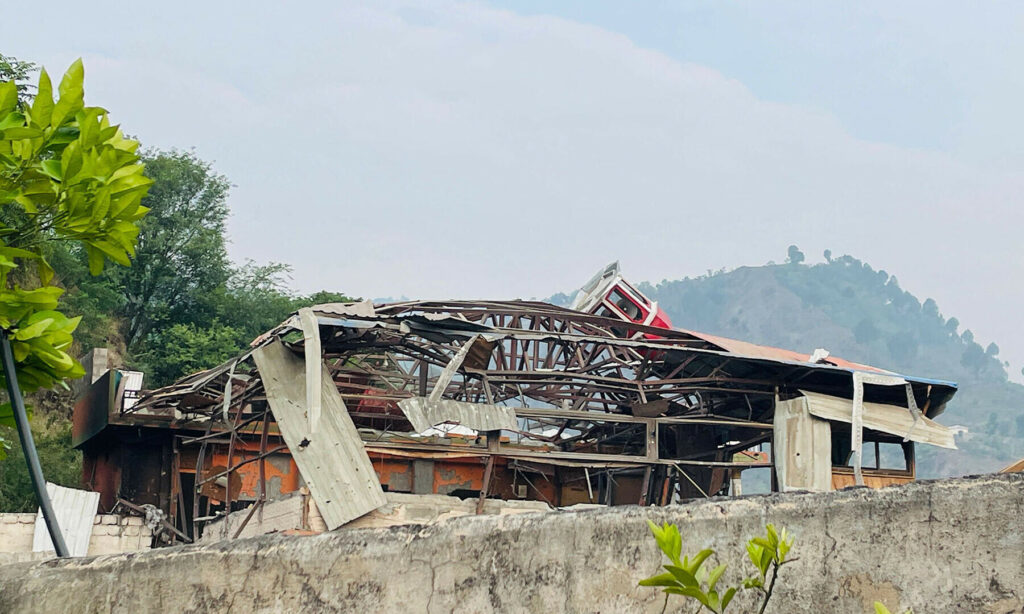
All day, Zarghoon Road had turned into a battlefield. Continuous firing, the sound of helicopters circling the area, and the presence of dead bodies formed a curfew-type atmosphere that lingers even after the smoke has cleared. Residents remained locked in their homes, listening to the rhythmic thud of bombings and gunfire, wondering if their front doors were enough to keep the world out. Even the local banks, which tend to be an icon of financial stability, were not spared; some were reportedly broken into and plundered as part of the larger disruption.
It is not the first time that the BLA has targeted infrastructure; the memory of the attack on the Jaffar Express in 2025 is still fresh, but this attack on the city was a transition toward visible psychological warfare. It was not a battle for a hilltop or a remote outpost; it was the battle for the soul of Quetta. The militants showed the ability to interrupt the monopoly of the state by patrolling the road of Saryab and establishing positions there. This attack was meant to leave a lasting feeling of vulnerability. It targeted the unconscious of the people of Quetta. The militants were able to hijack the daily lives of locals by paralyzing the main streets, which no amount of military clearance can immediately erase.
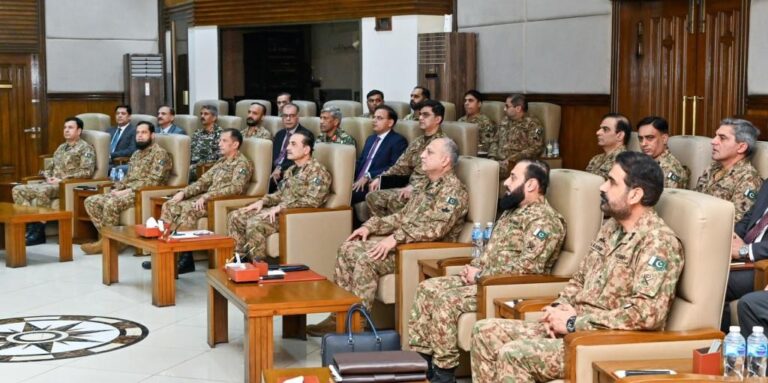
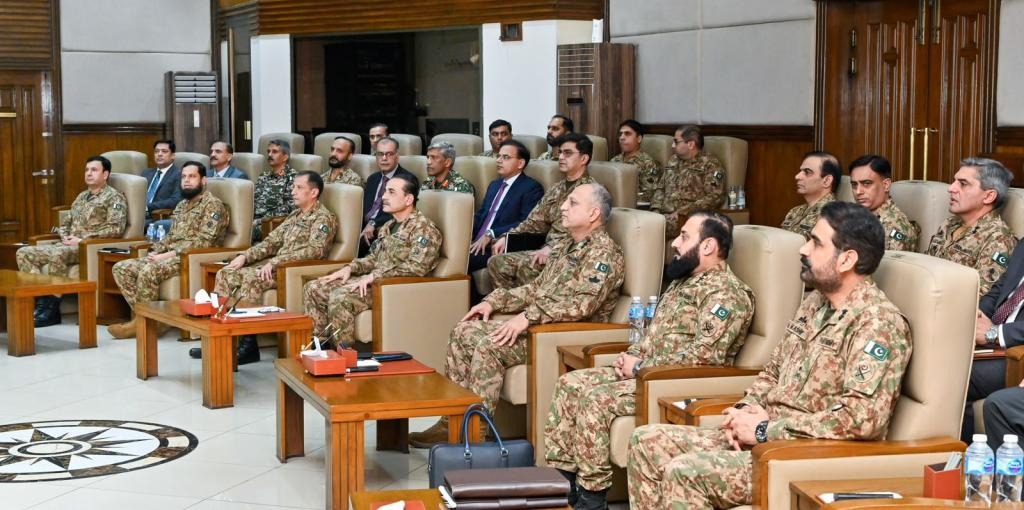
With the government and military wrapping up clearance operations, the focus will naturally turn to security lapses and the sheer magnitude of the coordination effort required to strike 12 targets at once. The people of Balochistan have an epic level of resilience, but it is the resilience of necessity rather than choice. The January 31st incident is a dark reminder that it is the key responsibility of the state in such an act of terror to restore not only the law, but the feeling of peace, which would enable a city to breathe. The valley of Quetta is going to be burdened with the weight of fear in the days to come.

Fakeha Laique is a Bachelor's graduate in International Relations from BUITEMS, Quetta and a young researcher with a growing focus on international relations, regional dynamics, and security issues in South Asia.