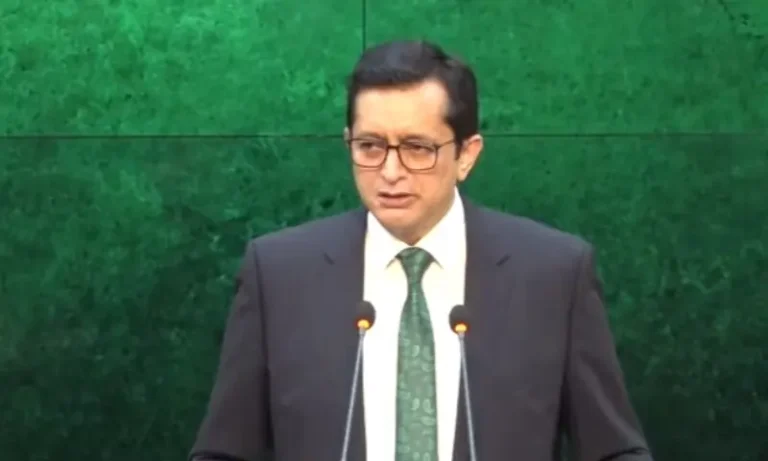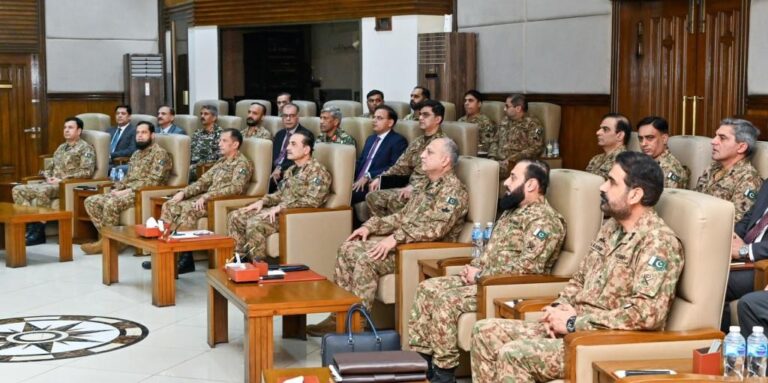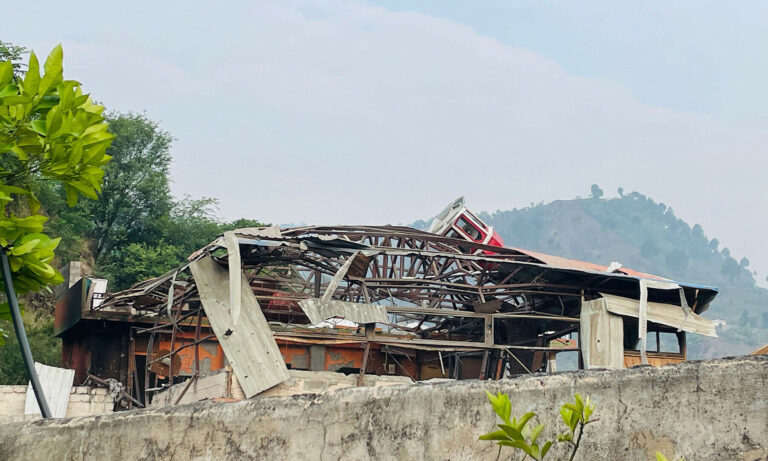
Mohsin Naqvi’s declaration that the system Pakistan has been living under has collapsed was, for once, a rare moment of official honesty. For seventy-odd years, four provinces have tried to govern a country of 240 million people through administrative capitals that, for most citizens, are a day’s journey and a lifetime of red tape away. The verdict is now unavoidable: distance has become Pakistan’s most expensive form of governance. The way out is not a committee, not another commission, and not a fresh coat of paint on the same structure, it is smaller administrative units and local governments with real power, real budgets, and real accountability to the people who live under them.
Consider what “collapse” actually looks like on the ground. A resident of Rahim Yar Khan or Dera Ghazi Khan must travel hundreds of kilometres to Lahore for decisions that a competent provincial or district government should be making in an afternoon. A Hazara-region citizen deals with a Peshawar-centred administration that, geographically and culturally, treats their concerns as an afterthought. Karachi generates a vastly disproportionate share of Sindh, and the country’s, revenue, yet is governed by a provincial machinery based in the same city but answerable to a rural power base with entirely different priorities. This is not an accident of bad luck. It is what happens when administrative units are so large that the distance between the citizen and the decision-maker becomes structural.
New provinces, done properly, shrink that distance. A smaller unit means a chief minister’s office that can plausibly know what is happening in every district it governs, a bureaucracy that isn’t stretched across a population the size of a mid-sized country, and a budget that isn’t quietly absorbed before it reaches the tehsil level. South Punjab, Hazara, Bahawalpur, a Karachi carved out on its own financial and administrative footing, each proposal already reflects decades of lived frustration with governments too large and too far to be held responsible for anything specific.
But new provinces alone will not save Pakistan from itself if the same over-centralised instincts are simply reproduced at a smaller scale. This is where local government has to be the other half of the reform, not an afterthought to it. Pakistan’s local bodies have spent most of the last two decades either suspended, starved of funds, or stripped of the powers the 18th Amendment was supposed to hand down to them. Elected mayors and district councils have existed on paper while provincial governments, jealous of every rupee and every regulatory power, have refused to let them function as anything more than ceremonial. A new province run the same way, by a chief minister’s secretariat that hoards authority instead of devolving it, will simply relocate the same disease to smaller premises.
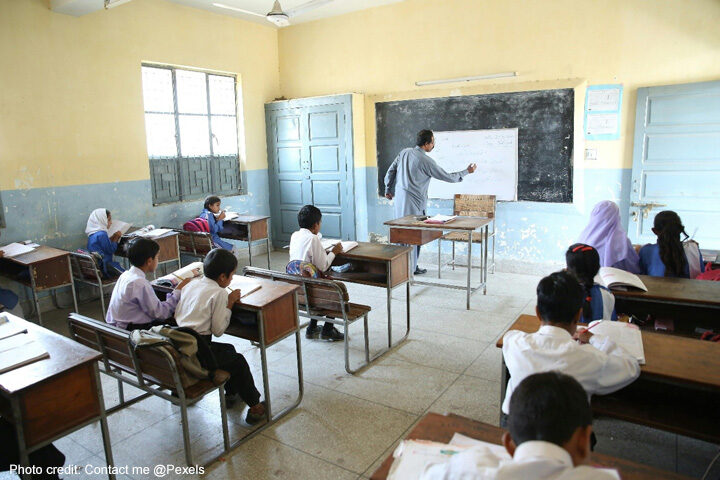
Real reform, then, has two non-negotiable parts. First, redraw the map where the case for it is genuine, where population, geography, language, or economic logic make a new unit administratively rational, decided through consensus and constitutional process, not imposed from above as a political maneuver. Second, and more importantly, empower local governments within every unit, old or new, with guaranteed fiscal transfers, fixed election cycles, and constitutionally protected functions that provincial governments cannot simply legislate away when it suits them. A citizen should not need a cousin in the bureaucracy to get a school repaired or a road paved. That is what local governance, properly funded and genuinely autonomous, exists to fix.
If the system truly has collapsed, as the interior minister says, then the honest response is not another round of provincial-capital politics dressed up as reform. It is to build government at the scale where citizens can actually reach it, and to keep it there, closer, smaller, and finally accountable.
Read more:https://digdebate.com/sco-summit-pakistan-chairmanship-2027/

Our Editorial Desk is the intellectual engine of Digital Debate, responsible for the rigorous research that anchors every conversation. Our team deep-dives into data, checks every source, and consults academic literature to move beyond headlines and identify the questions behind the questions.