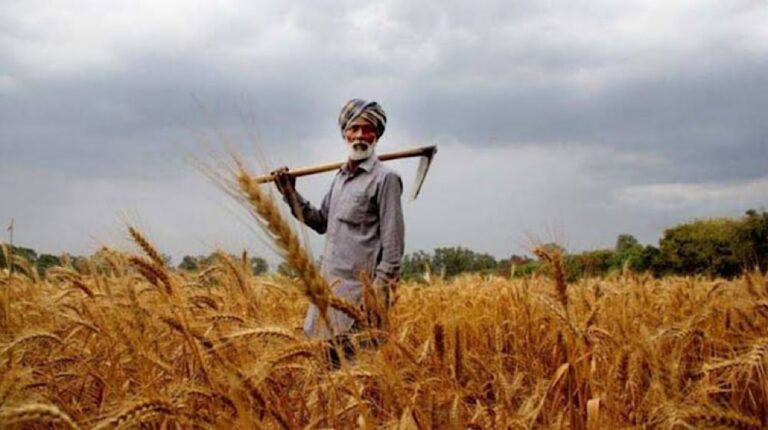
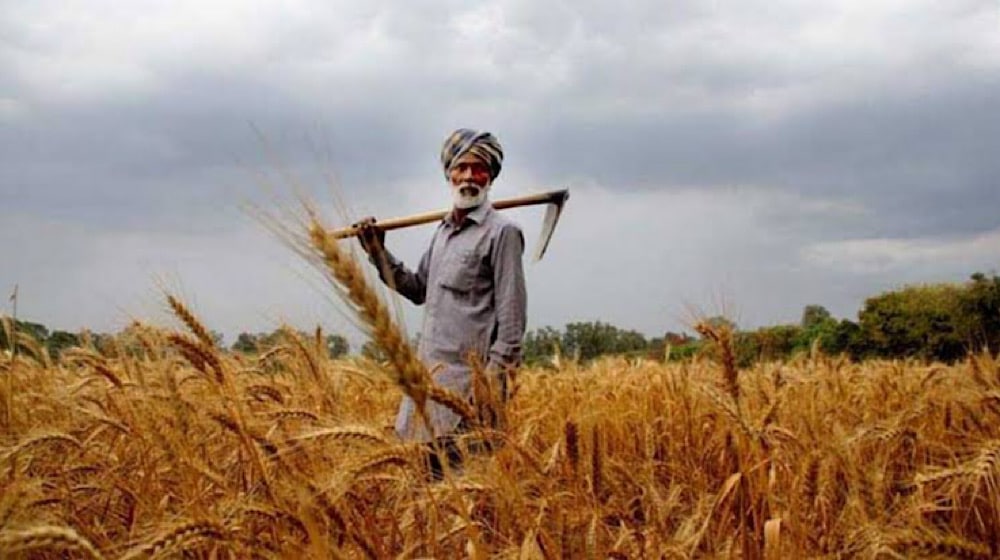
Picture a small farmer in Punjab sitting with a notebook before the wheat season. He adds up the cost of seed, fertiliser, diesel, electricity, pesticide and labour, then compares the total with what he may earn per maund. On 23 October, the government set an indicative wheat price of Rs4,500 per maund (40 kg) for the 2027 crop, up Rs1,000 from last year’s Rs3,500. This is a positive step. But farmers will gain the full benefit only if the price comes with fair procurement, timely payment, practical training and better access to markets.
Why farmers need a fair price
Farmers grow the country’s staple food, and their income shapes the whole food supply. If wheat becomes unprofitable, some farmers sow less land or spend less on seed, fertiliser and land preparation. That lowers production, increases imports and adds pressure on flour prices.
The rise from Rs3,500 to Rs4,500 is about 29 percent, almost three times the current inflation rate of 10.3 percent. It recognises higher input costs, but Pakistan Kissan Ittehad says Rs5,000 is needed, and it reports that market prices have already gone above Rs5,000.
Farmer groups also want a clear guarantee that the government will buy wheat directly at the announced rate and pay promptly. This matters because small farmers need cash soon after harvest and often have to sell to middlemen at lower rates.
A fair price therefore needs a simple system: procurement centres close to the farm, honest weighing, digital payment and strict monitoring. When farmers receive the official price on time, they have the confidence to invest in the next crop.
The burden of high diesel prices
High diesel prices are another major burden on farmers. The government has raised high-speed diesel to Rs393.66 per litre with effect from 24 October 2026, an increase of Rs1.91 per litre. Diesel is essential for tractors, harvesters, transport and many tube wells, so every increase directly raises the cost of ploughing, irrigation, harvesting and carrying crops to market.
For example, if a tractor uses 200 litres during a sowing round, even a Rs10 per litre increase adds Rs2,000 to the farmer’s cost. At nearly Rs394 per litre, fuel can consume a large share of a small farmer’s earnings before the crop is even sold.
This makes the Rs4,500 wheat support price even more necessary, but it also shows why the government should consider targeted relief for farmers such as subsidised diesel for agricultural machinery, promotion of solar tube wells, and efficient irrigation practices that reduce fuel use.
By showing that farmers face rising costs from both fertiliser and fuel, while consumers face rising flour prices. The practical solution is not only a higher wheat price, but lower production costs through solar energy, water efficiency and timely government support.
How farmers can earn more
A higher price helps, but farmers can also raise their income by cutting waste, improving yield and adding value to what they produce.
Soil testing before sowing shows which nutrients the land lacks. Applying fertiliser according to that result lowers cost and improves yield, instead of using the same quantity every season. Certified seed suited to the local climate gives better germination and stronger plants, so farmers should buy it from reliable sources and avoid uncertified seed.
Crop rotation also pays off. Growing legumes such as mung bean, chickpea or lentil between wheat crops improves soil fertility, reduces pests and can lower fertiliser needs. Returning crop residue to the field and using compost build soil health over time and reduce dependence on costly chemicals.
Water is another cost. Laser land levelling, proper irrigation scheduling and furrow irrigation reduce waste, and drip or sprinkler systems can help where they suit the land. Heat tolerant and drought tolerant seed varieties protect the crop in extreme weather, and local agriculture extension staff can advise which varieties suit each area.
After harvest, proper drying, clean storage and selling together through farmer groups reduce losses and strengthen bargaining power. Storage also lets farmers avoid selling everything at once at a low price. Many farmers can add income through dairy, poultry, honey, vegetables, fruit processing or seed production. Livestock gives regular income between crop seasons, and better veterinary care and market links improve returns.
What the government should do
The government can help farmers turn these practices into real gains. It should expand agricultural extension services so farmers get practical advice in their own language.
It should provide subsidised soil testing, certified seed and water saving equipment, and offer easy credit to small growers. Training in climate smart farming, post harvest handling and digital market information would help farmers make better decisions.
It should also invest in storage, rural roads, cold chains and market access. Better storage cuts losses, and reliable transport and price information help farmers sell at fairer rates.
Protecting consumers too
A higher wheat price should not mean unaffordable flour, and families are already under pressure. According to PBS data, the national average price of a 20 kg flour bag is Rs2,976. Karachi pays Rs3,540, and Lahore saw a jump of Rs833 in one week to Rs3,133.
The government should direct support to verified low income families through registered outlets or social protection programmes. It must also stop hoarding and artificial shortages, so the benefit of a fair farmer price does not become an unfair burden on consumers.
Effect on Pakistan’s economy
Pakistan’s food security cannot rest on one wheat price announcement. Farmers need fair procurement, timely payment, affordable diesel and fertiliser, modern training, water-saving technology and better market access.
A stronger agriculture sector directly strengthens Pakistan’s economy. When farmers earn fair prices, they spend more in rural markets, buy seeds, fertiliser, machinery and services, and create employment for labourers, transporters, millers and traders. This increases rural income and supports local businesses.
Better wheat production also reduces the need for costly imports. Every tonne of wheat grown at home saves foreign exchange that Pakistan can use for energy, machinery, education, health or debt payments. Stable food supplies also help control flour and bread prices, which reduces pressure on household budgets and supports overall economic stability.
Agriculture is also a major source of employment and export earnings. Improved farming, livestock, dairy, fruits, vegetables and value-added products can increase exports, attract investment and create jobs for youth in rural areas. In short, when farmers prosper, villages prosper; when villages prosper, Pakistan’s economy becomes more stable, self-reliant and resilient.

Our News Desk represents a rapidly expanding frontier in contemporary journalism, focusing on the intersection of technological advancement, geopolitical narratives, and the shifting dynamics of public information.