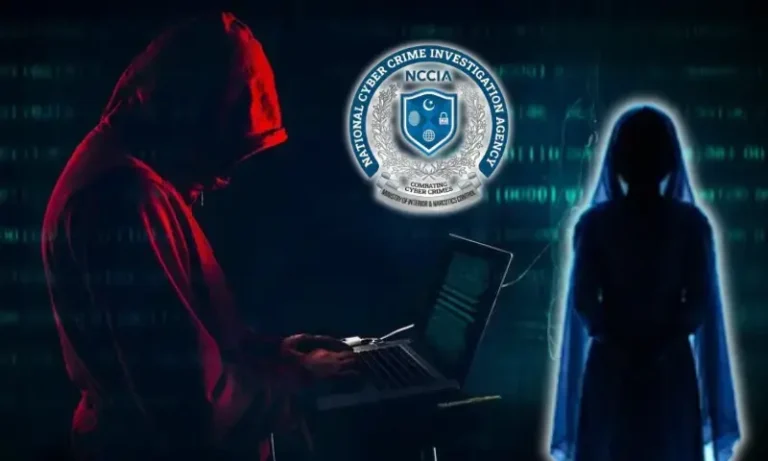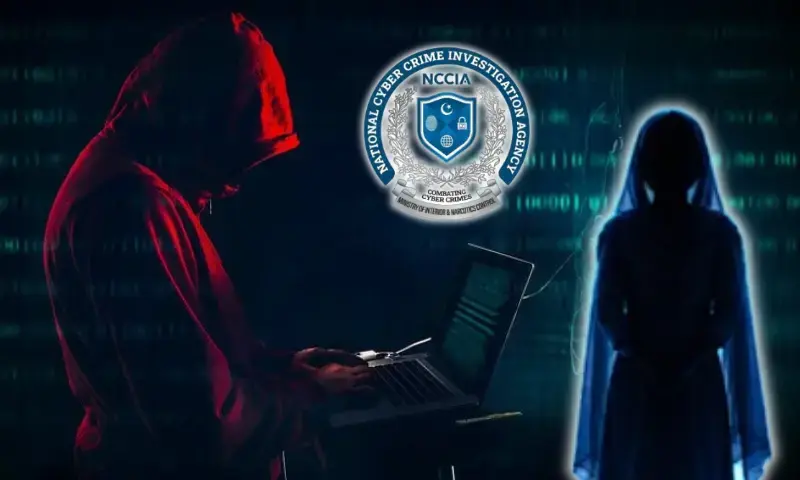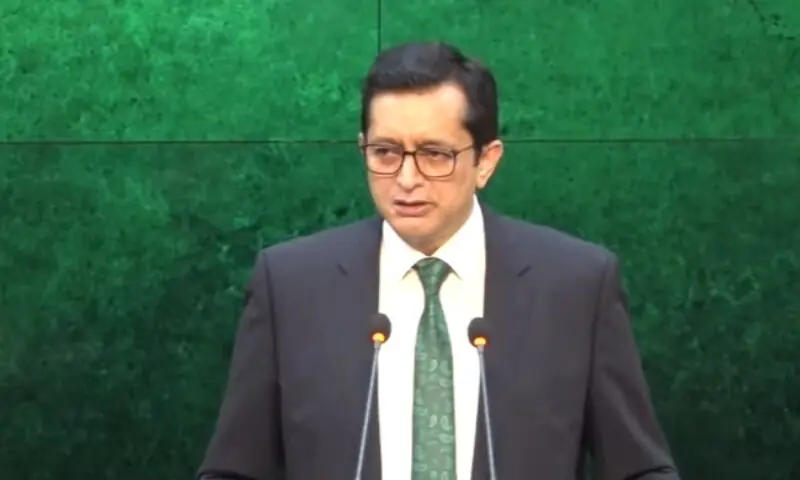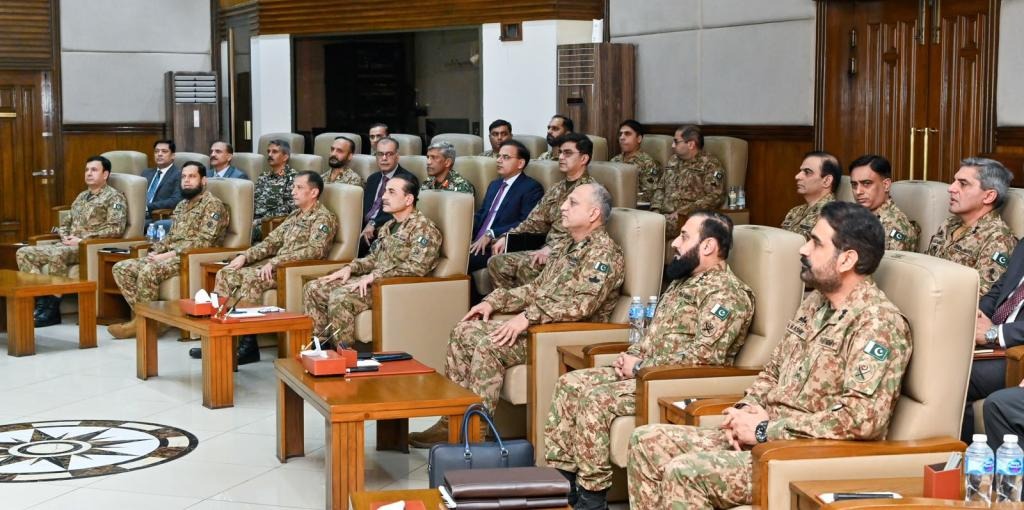

The National Cyber Crime Investigation Agency (NCCIA) says it has dismantled an international network that produced and sold child sexual abuse material. The case is one of the most disturbing developments in Pakistan’s effort to protect children in the digital age. It shocks for two reasons.
The material was allegedly sold across borders, and the main suspect is accused of abusing his own children. A parent is supposed to be the first person who keeps a child safe. When that parent becomes the abuser, the child loses the one person they trust most.
According to NCCIA officials, the alleged ringleader, a man from Skardu, was arrested with help from international agencies. Investigators say he filmed explicit videos of his own children, reportedly aged four and five, and sold them in private Telegram groups. They also say he was paid in cryptocurrency. This matters because offenders can use financial tools built for privacy and convenience to hide criminal payments.
The case shows how the internet now connects predators, buyers and middlemen who once had no way to find each other. Closed messaging groups, encrypted chats and digital currencies let abusers believe the law cannot reach them.
The NCCIA says it recovered evidence and links in Islamabad, Multan and South Punjab. That suggests the alleged network was not limited to one city or one person. If a court proves these allegations, the case will show how abuse in one home can feed a criminal market that operates across countries.
A Crisis Larger Than One Arrest
This investigation should not be read as an isolated scandal. Pakistan faces a wider child protection problem, both offline and online. UNICEF research estimates that about 1.5 million internet using children aged 12 to 17 in Pakistan experienced some form of technology facilitated sexual exploitation or abuse within a single year. Each number in that figure is a child whose trust, dignity and sense of safety may be damaged for life.
One finding stands out. Most perpetrators were known to the victims. Many people assume online abuse comes mainly from anonymous strangers, and this finding shows otherwise. Relatives, neighbours, acquaintances, teachers, older peers and people who have gained access to a family can all groom, pressure or exploit a child. Online abuse usually follows the power imbalances that already exist in a child’s real life.
The consequences last for years. Survivors of child sexual abuse often face anxiety, depression, shame, self harm and substance abuse. Many struggle to form healthy relationships as adults. Some children withdraw from school and lose confidence. Others stay silent for years because they fear stigma, disbelief or revenge. Abuse and sexuality are taboo subjects in many Pakistani homes, so a child may not have the words to explain what is happening.
Families and communities also pay a price. Parents feel guilt, anger and helplessness. Schools often do not know how to respond. Some communities choose denial over accountability. When children see that abusers are rarely punished, staying quiet starts to look like the safest choice. That silence helps offenders and leaves children exposed. It lets the abuse continue and makes prevention harder.
Enforcement Must Be Strong and Sensitive
The NCCIA deserves credit for bringing this case into public view and for pursuing digital and financial evidence. International cooperation is especially important, if the courts confirm it, because abuse material rarely stays inside one country.
A video recorded in one place can be uploaded, shared, downloaded and sold in another within minutes. Real action needs coordination between Pakistani authorities, foreign law enforcement, technology companies, banks and payment services, and child protection organisations.
The agency’s round the clock helpline, 1799, is a useful step. Victims and families need an easy way to report harassment, blackmail, exploitation and abusive content without fear of humiliation. The NCCIA has urged victims to speak up. That appeal will only work if reporting is safe, confidential and followed by a quick response.
Arrests and press conferences cannot solve a problem of this size on their own. Critics are right to ask whether Pakistan has enough trained digital forensics experts, child psychologists, prosecutors, judges and social workers for cases this sensitive. Investigators must protect victims from further trauma, keep their identities private and preserve evidence to legal standards. The suspect is entitled to a fair trial. Justice driven by rumour or public anger is not justice.
Media coverage carries its own risk. Public awareness is necessary, but sensational reporting can harm victims and encourage copycats. It can also leave readers thinking that child abuse is rare and extreme. The reality is more painful. Most exploitation happens quietly, in homes, schools, neighbourhoods and online spaces where children are supposed to be safe.
Prevention Must Come First
Pakistan needs a child protection strategy that starts before abuse happens. Schools should teach lessons suited to each age group on body safety, consent, grooming, online privacy, blackmail and how to report abuse. A child who discloses abuse must be believed, and every child must know that asking for help is nothing to be ashamed of.
Parents need practical guidance too. If you are a parent, talk with your children often, watch for sudden changes in mood or behaviour, and learn which apps and platforms they use. Monitoring should never humiliate a child. Pair it with trust and open conversation. A child who expects punishment for using a phone is more likely to hide abuse than report it.
Technology companies must accept more responsibility. Social media platforms, messaging services and payment providers should act fast when someone reports abusive content, predatory accounts or suspicious transactions. Waiting for public outrage is not good enough. These companies earn money from connectivity, so they should spend more on moderation, reporting tools and cooperation with law enforcement.
The NCCIA case could mark real change if it leads to convictions, institutional reform and better protection for child victims. But the number of arrests announced on television is the wrong measure of progress.
The right measure is whether Pakistan becomes a country where children are believed, offenders are held accountable, digital platforms act responsibly, and families understand that silence protects abusers and puts children at risk.
Read More : https://digdebate.com/online-child-sexual-abuse-pakistan-unicef-study/
https://digdebate.com/the-children-we-failed-to-protect/

Our News Desk represents a rapidly expanding frontier in contemporary journalism, focusing on the intersection of technological advancement, geopolitical narratives, and the shifting dynamics of public information.