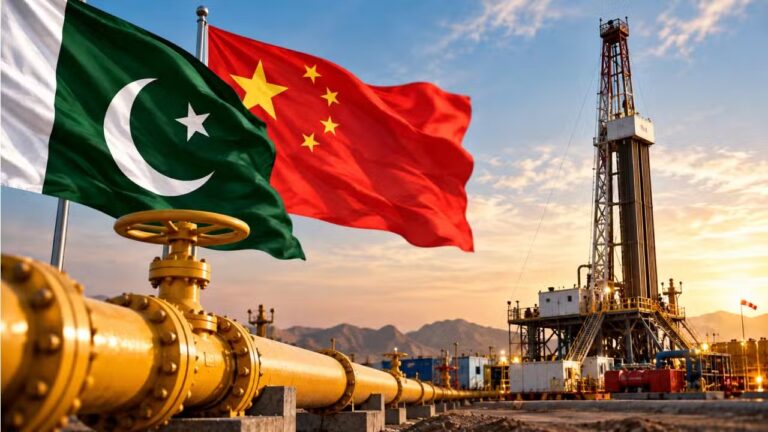

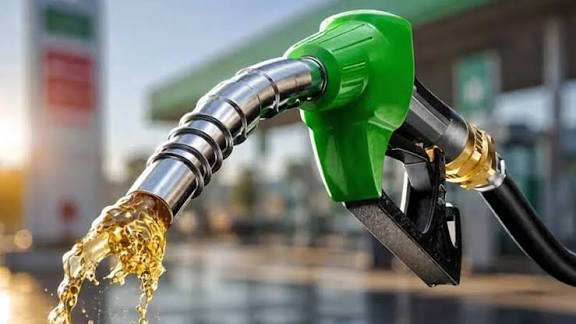
Petrol prices go up again, and the cost lands on daily-wage earners, small transporters and ordinary households before it ever reaches a policy debate. This is what an energy shock looks like once it leaves the headlines and reaches ordinary life. Disruptions around the Strait of Hormuz and Bab el-Mandeb have pushed up global oil and gas prices, and Pakistan, already squeezed by inflation and a thin foreign exchange reserve, is feeling it directly through higher petrol and diesel prices, costlier transport and tighter household budgets.
Domestic resources offer partial protection
The government’s shift toward domestic energy has softened the blow. In August, hydropower, local coal, nuclear energy, indigenous gas, wind and solar carried a large share of electricity generation. That cut reliance on imported coal and RLNG and kept more pressure off electricity bills.
But this is relief, not security. The power sector has some insulation from global markets. Transport does not. Petrol and diesel run the buses, trucks, tractors and delivery bikes that keep the economy moving. When fuel prices rise and stay up, that cost moves through freight charges, food prices and daily wages within weeks.
Relief and conservation must work together
The fuel-relief scheme can help the people who need it most: motorcycle riders, rickshaw drivers, owners of small cars who depend on their vehicle to earn a living. Done well, this kind of support keeps low-income workers on the road and at work.
But subsidies cost money the state doesn’t have to spare, and they do nothing to reduce Pakistan’s dependence on imported fuel. Relief has to be targeted, transparent and time-bound. It should reach the people who actually need it, not turn into a blanket programme that pays people to keep burning fuel they’d otherwise use less of.
The government is right to reject a formal lockdown. But rejecting lockdown doesn’t mean doing nothing. There’s real room to cut waste without shutting down the economy. Markets can close an hour or two earlier. Offices can turn off lights and air-conditioning in empty rooms. Government departments can cut non-essential travel and idle vehicle use. Employers who can offer remote work should offer it. Carpooling and public transport, promoted seriously rather than as a slogan, can pull real demand off the roads.
The difference between a lockdown and targeted conservation is the difference between a citywide power cut and turning off lights you’re not using. A lockdown cuts working hours, hurts small businesses and takes income away from people paid by the day. Targeted conservation goes after waste while keeping hospitals, schools, food distribution, farms, factories and other essential services running.
Conservation only works if it isn’t something the state asks of citizens while exempting itself. Federal and provincial departments need to show they’re cutting their own electricity use, limiting official travel, and publishing real numbers on the fuel and energy they’ve saved. Large offices, shopping centres and commercial buildings should face the same expectations on lighting, air-conditioning and hours of operation. Without monitoring and enforcement behind them, austerity announcements are just words on a press release.
A long-term strategy, not panic
This crisis is a symptom, not the disease. Pakistan can’t keep responding to every jump in global energy prices with subsidies, emergency borrowing and restrictions on business. It needs a strategy built for the next shock, not just this one.
That means real investment in hydropower, renewables, domestic gas, nuclear power, battery storage and a grid that doesn’t leak electricity it can’t afford to lose. Reliable public transport matters just as much, because it gives households an alternative to private vehicles when fuel prices spike again, and they will.
Energy efficiency deserves the same attention: better insulation, efficient appliances, upgraded factory equipment, a grid that loses less power in transmission. Every unit saved this way is a unit Pakistan doesn’t have to generate, import or subsidise.
This is a test of whether the government can protect people without rewarding waste, and manage a shortage without pretending it isn’t one. Pakistan doesn’t have to choose between doing nothing and shutting the country down. There’s a path in between: cut waste early, target relief at the people who need it, and keep the economy running while you do it.
Handled with discipline, this shock could push Pakistan toward the domestic energy investment it has needed for years. Handled with panic, unlimited subsidies or blanket restrictions, it will just add another layer of inflation to an economy that is already carrying too much. The choice in front of the government is not complicated. It’s just difficult to act on. That’s the part that will define whether this moment becomes a turning point or another missed one.
Read more: Petrol at Rs458: Who Pays the Price

Our Editorial Desk is the intellectual engine of Digital Debate, responsible for the rigorous research that anchors every conversation. Our team deep-dives into data, checks every source, and consults academic literature to move beyond headlines and identify the questions behind the questions.