Islamabad Was Ready. Washington Wasn’t.
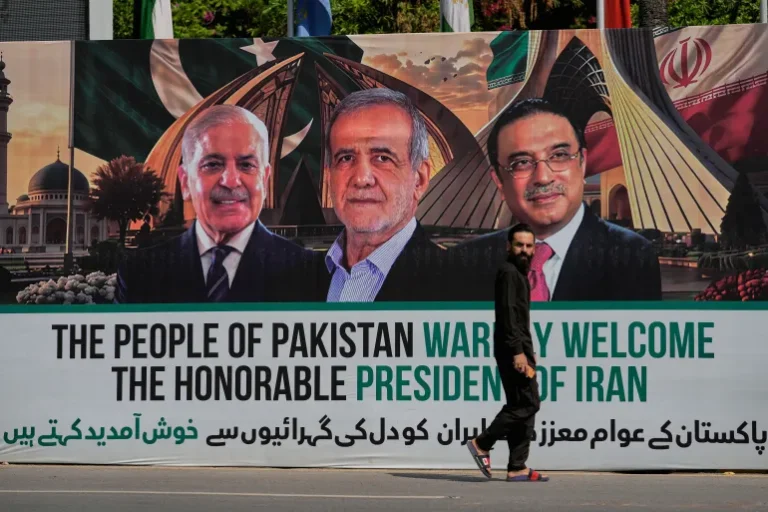
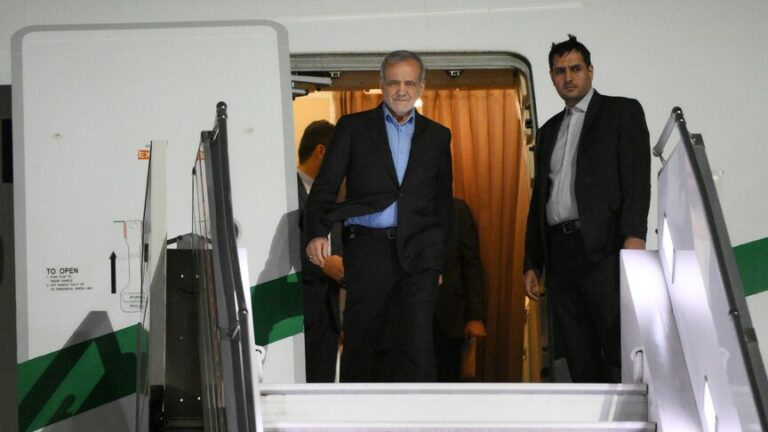
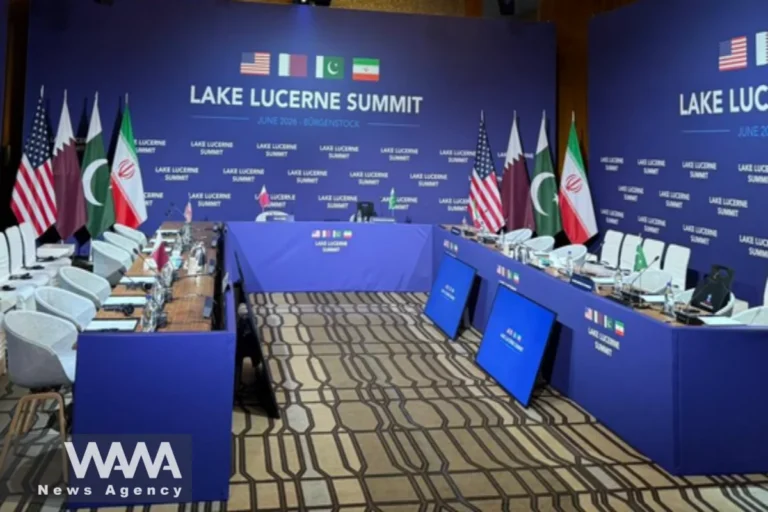
Iran’s foreign minister came to Islamabad. The US delegation never arrived. In between, the process revealed every pressure point it has.

Iran’s foreign minister came to Islamabad. The US delegation never arrived. In between, the process revealed every pressure point it has.

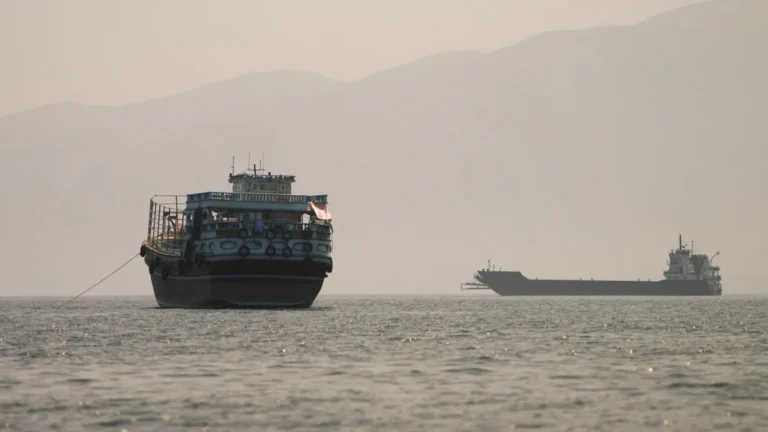
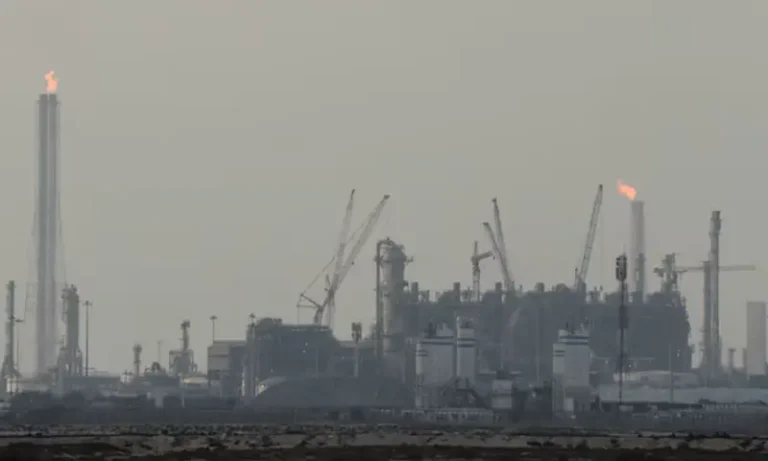
The world’s energy architecture was built around a passage, and nobody built the protection to shield the bystanders.
JD Vance is returning to Islamabad. The same gaps exist. But nine days of Pakistani back-channel work may have moved the needle just enough.

Progress is real. But confusing optimism for closure is a mistake the world cannot afford to make right now.

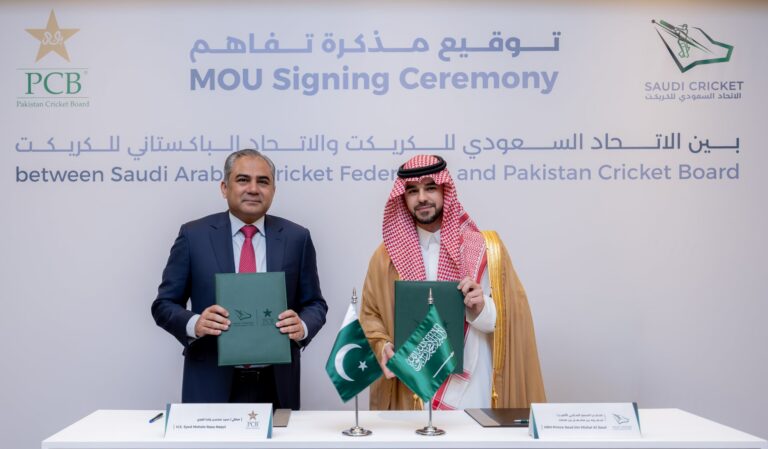
Pakistan, Saudi Arabia, and Turkey are coordinating on Iran and Israel, signaling the quiet rise of a new middle-power bloc.

PM Sharif arrives in Turkey carrying the weight of a ceasefire that expires in days and a peace process that the world cannot afford to lose.

Pakistan acts as a bridge-builder, moving beyond passive mediation to proactive conciliation in the US-Iran talks.

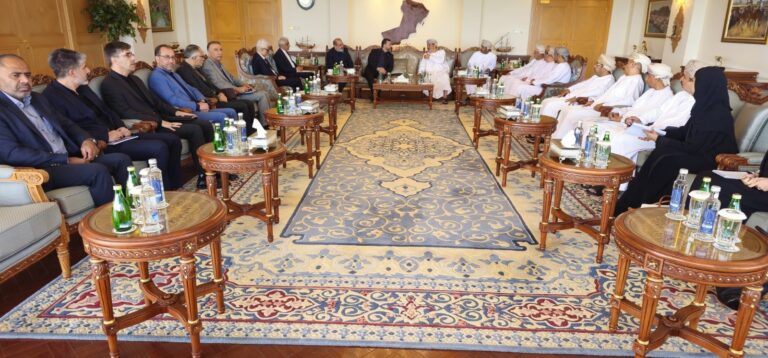
Field Marshal in Tehran. Prime Minister in Riyadh. Pakistan is running the world’s most consequential diplomatic operation, and doing it simultaneously.

Pakistan brokered the first US-Iran face-to-face talks in 47 years, although no deal was reached, but the door to diplomacy remains wide open.

Ninety minutes from catastrophe, Pakistan brokered a ceasefire, ending a conflict that choked the world’s oil supply.