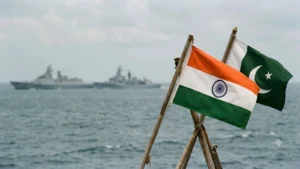
Pakistan Needs a Foreign Policy Doctrine, Not Just a Series of Bilateral Wins
What it lacks is the one thing that converts tactical success into structural influence: a codified foreign policy doctrine.

What it lacks is the one thing that converts tactical success into structural influence: a codified foreign policy doctrine.

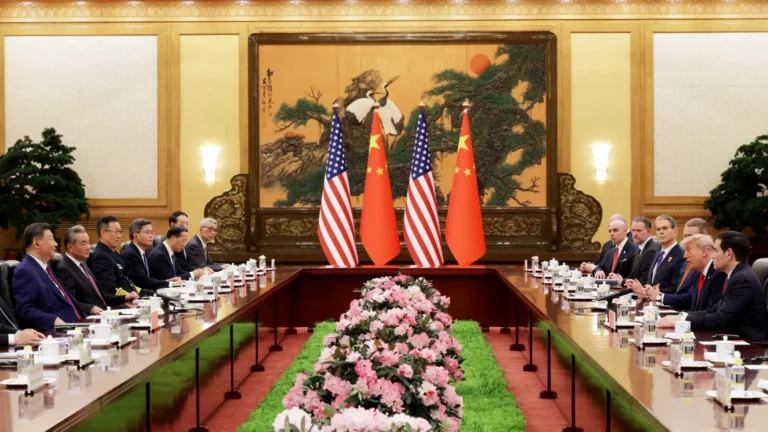
The Trump-Xi summit produced warmth, purchasing agreements, and a shared framework; however, it did not produce a deal on Iran.

Trump arrives in Beijing holding almost no leverage on Iran and asking China to use the leverage it has.

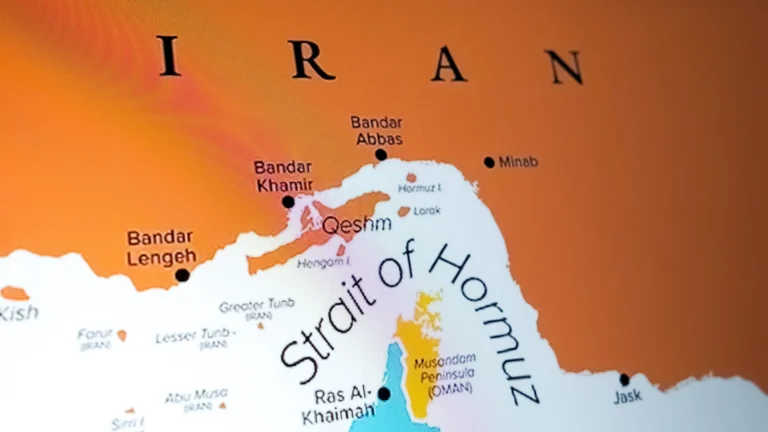
The war has entered a phase where diplomacy and military pressure are running simultaneously. The Strait of Hormuz is where they collide.

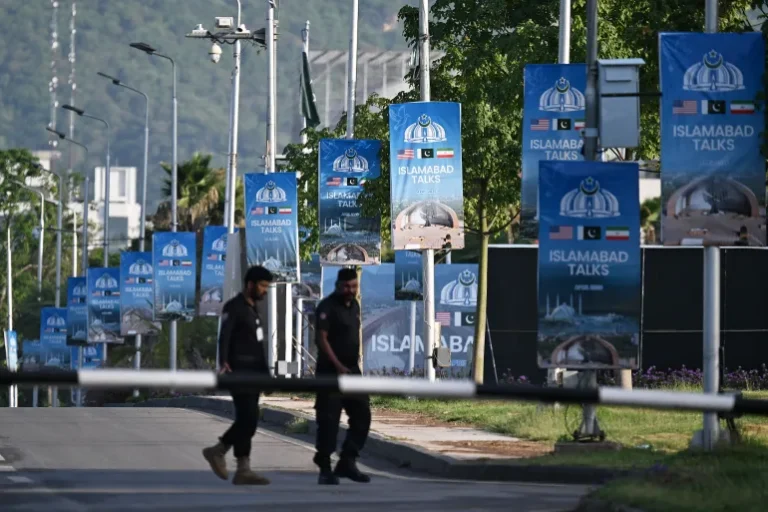
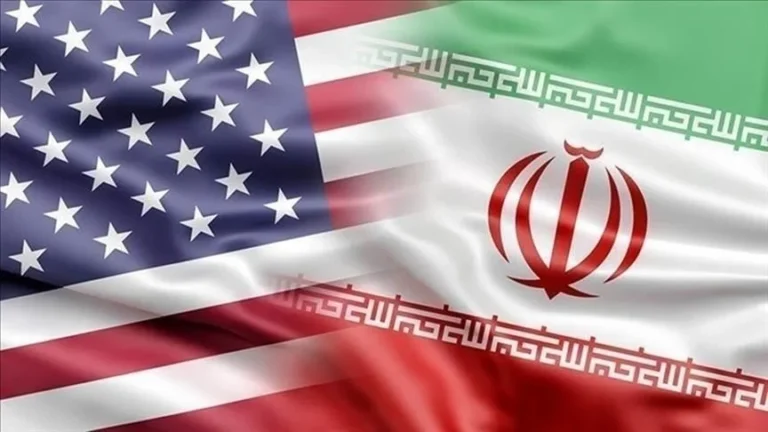
Iran’s foreign minister came to Islamabad. The US delegation never arrived. In between, the process revealed every pressure point it has.

The world’s energy architecture was built around a passage, and nobody built the protection to shield the bystanders.
JD Vance is returning to Islamabad. The same gaps exist. But nine days of Pakistani back-channel work may have moved the needle just enough.

Progress is real. But confusing optimism for closure is a mistake the world cannot afford to make right now.

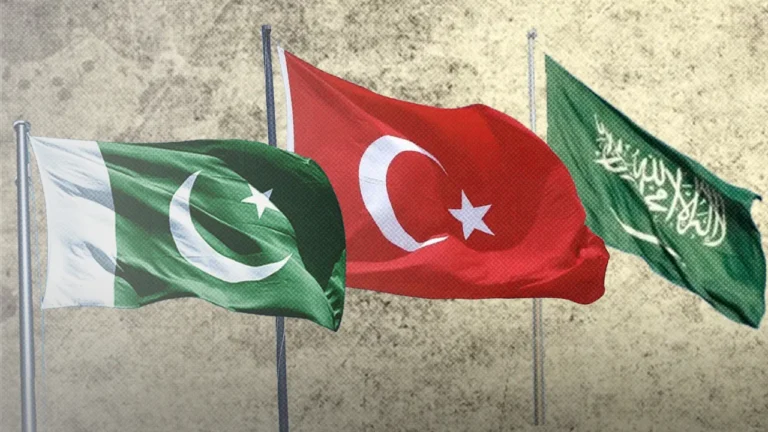
Pakistan, Saudi Arabia, and Turkey are coordinating on Iran and Israel, signaling the quiet rise of a new middle-power bloc.

PM Sharif arrives in Turkey carrying the weight of a ceasefire that expires in days and a peace process that the world cannot afford to lose.