Young Indians are not asking for something impossible. They want a fair exam, a fair vote and the right to say so in public. Yet in 2026, many of them have met tear gas, buses and police stations instead of answers.
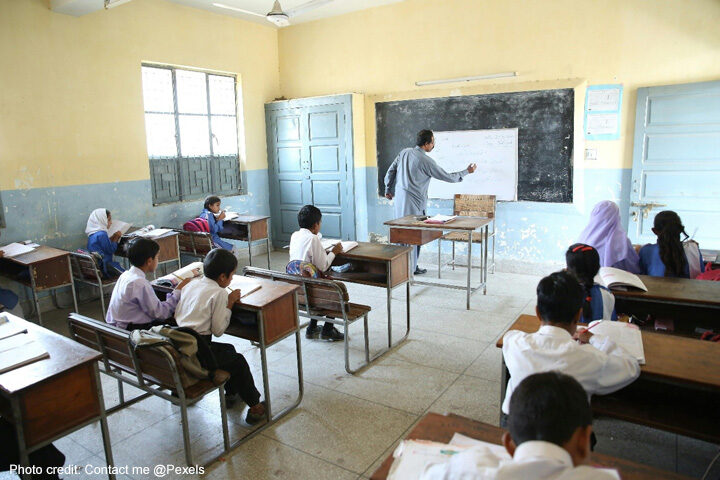
The anger began in May with the NEET-UG paper leak. Nearly 140 questions in circulating material matched the real paper, the exam was cancelled, and students had to sit it again in June. Reports say more than 20 students died by suicide after the leak. For families who spend years and savings on one test, this was a deep wound.
The protests that followed were led by a social media-driven group, the Cockroach Janta Party. The first demand was simple: accountability. Students wanted Education Minister Dharmendra Pradhan to go, and he resigned in July. Parliament also passed a bill to increase penalties for leaks. But young people say one resignation and one law do not fix a system that has failed them for years. In Jharkhand and Bihar, students are making the same complaint about state exams, and in Ranchi they asked for a CBI probe.
So what do they want now? First, exams that cannot be leaked, with fast and honest investigations when they are. Second, real jobs, so that a whole life does not depend on one test. Third, the resignation of Chief Election Commissioner Gyanesh Kumar and a pause in the Special Intensive Revision of voter lists. They also want public lists of deleted names and help for eligible voters who were left out. Behind all of this sits one more demand: the right to protest without being picked up by police.
The voter-list issue is newer but just as heated. Protesters and opposition parties say the revision hurts ordinary voters and helps the ruling party. Reports speak of around 91 lakh names removed in West Bengal and about 2.04 crore in Uttar Pradesh. The Election Commission says the exercise is needed to remove ineligible voters. That is possible. But when so many names vanish, a clear public explanation is the least citizens deserve.
Now look at how the state has responded. On 20 July, over 10,000 people tried to march to Parliament and police used tear gas. Police said nearly 180 people were hurt, most of them police and security staff, and 70 protesters were detained. The movement’s leader then said they would stop street marches because police would hurt the youth again. A protest group that stops marching out of fear is a bad sign for any democracy.
Sonam Wangchuk, who had been on hunger strike for three weeks in support of the students, was taken by police and put in hospital against his will. The movement’s main account on X was withheld in India within days of its start. And this month, police detained protesters for three days in a row in Delhi and Mumbai. Three women journalists have accused police officers of sexual harassment during the Delhi detentions, and police say they are investigating.
Some words need care. The pattern is clear and worrying: heavy force on the street, detentions for standing with placards, and pressure on their online voice. Critics call this arbitrary and illegal. The government will say it is keeping order. Courts and independent lawyers should decide.
The answer is not hard. Free those held without clear charges. Give peaceful protesters a place and a time. Investigate every complaint against police, including the harassment charges, openly. And answer the questions about exams and voter lists with facts, not force.
A government that wins elections should not fear a student with a placard. If it does, the students’ point is already proven.
Read more: https://digdebate.com/gandhi-non-violence-india-ujjain-mosque/

Our Editorial Desk is the intellectual engine of Digital Debate, responsible for the rigorous research that anchors every conversation. Our team deep-dives into data, checks every source, and consults academic literature to move beyond headlines and identify the questions behind the questions.