On World Translation Day, the usual tributes go to translators as quiet bridges between cultures. That is fair, but it undersells the subject. In foreign policy and security, translation decides who understands whom, and it shapes decisions that carry real consequences.
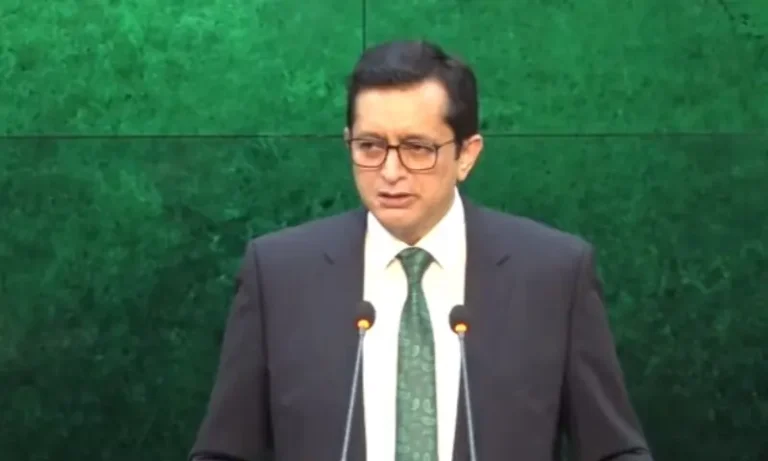
Diplomatic language is built on nuance. A single verb can turn a warning into a request, or a statement of concern into a threat. When a speech, a joint statement or a media interview crosses a language border, the version that circulates is often the one that shapes opinion, and the original may never be checked. Governments in the region know this. Pakistan’s neighbors follow its statements closely, and Pakistan follows theirs, yet a good deal of that reading happens through second-hand summaries and English-language wire copy rather than the source text.
That gap matters most where Pakistan’s interests are most exposed. Policy on Afghanistan depends on Pashto and Dari, the languages in which Afghan officials, tribal figures and the press actually speak. Understanding Iran means reading Persian media and official discourse directly. The China relationship, with CPEC at its center, involves contracts, technical standards and political messaging in Mandarin, where the difference between a commitment and an aspiration can be costly. Arabic matters for ties with Gulf states that are central to Pakistan’s economy and diaspora. India, meanwhile, produces a large volume of Hindi and regional-language commentary that says a great deal about domestic political mood, and it is often ignored by those relying on English-language coverage alone.
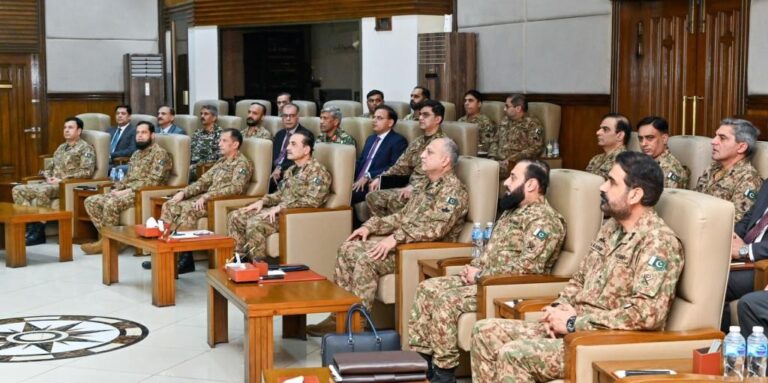
None of this means Pakistan has no capacity. Institutions such as the National University of Modern Languages teach a wide range of languages, and the foreign service and security establishments have trained linguists of their own. The question is whether this capacity is sufficient, well coordinated and respected as a strategic asset. Language skills are often treated as a support function, a box to tick during a posting, rather than a career path with prestige and long-term investment. Talented speakers move into other fields because translation and interpretation carry neither the status nor the pay of policy roles.
There is also the reverse problem of how Pakistan is heard. Official positions are frequently issued in English and Urdu only. Audiences in Kabul, Tehran or Beijing may meet Pakistan’s message through someone else’s translation, with someone else’s emphasis. A state that wants its position understood accurately has an interest in delivering it in the listener’s own language, and in the quality of that delivery.
Reasonable people will differ on how much should be spent and where. Resources are limited, and translation competes with many urgent demands. Critics may argue that language skill alone does not produce good policy, and they are right: a perfect translation of a poor strategy remains a poor strategy. But the reverse holds too. Good strategy built on misread signals tends to fail, and misreading is often a linguistic failure before it is a political one.
A practical response would not require dramatic reform. A national framework for strategic language training could identify priority languages and set standards. Dedicated career tracks would help retain skilled linguists in government and research. Universities and think tanks could be encouraged to build regional-language expertise alongside area studies. Official communication could be routinely released in the languages of key partners, with vetted translations.
Pakistan lives in a region where history, trade and conflict are all carried in many languages. Treating translation as a matter of strategy, not sentiment, would be a modest step with lasting returns. Understanding others accurately, and being understood by them, is where diplomacy begins.
Read more: https://digdebate.com/access-to-information-in-the-age-of-information-overload/

Our Editorial Desk is the intellectual engine of Digital Debate, responsible for the rigorous research that anchors every conversation. Our team deep-dives into data, checks every source, and consults academic literature to move beyond headlines and identify the questions behind the questions.