Hina Javed was 45. She had worked at the National Assembly for fifteen years and had just gotten a promotion. Days later, she was found dead in the bathroom of her own home in Rawalpindi. There was a wire around her neck. Her body showed signs of torture. Her husband and a house servant are now under arrest. Her father-in-law is being questioned. Her family says she had gone quiet after her marriage, just nine months earlier, a change they can’t stop thinking about now.
Her story is not a one-off. Last year, also in Rawalpindi, a teenager named Sidra Bibi was strangled after a jirga of family elders decided her second marriage had brought shame on the family. She had married legally, gone to court to prove it, and was still killed for it. Different women, different homes, same ending: punished by the very people who were supposed to protect them.
The numbers say this is not rare. According to the Human Rights Commission of Pakistan’s latest annual report, at least 470 women were killed in the name of “honour” in Pakistan in 2025 alone, up from 405 the year before. On top of that, 1,332 women were killed in domestic violence cases, and 3,815 rape cases were reported. Rights groups say the real numbers are higher, because many cases never get reported at all. Add it up over just four years, from 2021 to 2024, and the government’s own data puts the toll at over 7,500 women killed, more than 1,500 of them in the name of honour.
We call these “honour” killings, but there is no honour in any of it. It’s control, plain and simple, the belief that a woman’s body, her choices, even her life, belong to someone else. A father. A husband. A brother. A council of men who never asked her a single question before deciding her fate. And every time one of these stories breaks, we go through the same cycle: anger on social media, a statement from some official, maybe even the First Lady, promising a “thorough investigation”, and then silence. The case fades from the news long before it’s settled in court, where it can drag on for years, weakened by compromise, withdrawn complaints, or witnesses who simply stop showing up.
This is where we fail as a society. Not just in the killing itself, but in everything around it. The neighbours who heard the shouting and said nothing. The relatives who noticed she’d gone silent and never asked why. A legal system that still lets a murder be “forgiven” and settled within the family under our compoundable-offence laws. And a culture that quietly asks what she did wrong before it ever asks what was done to her.
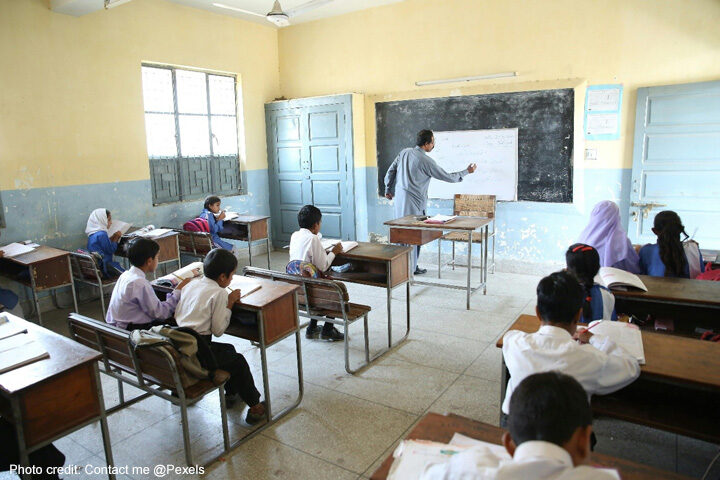
It isn’t only grown women paying this price, either. The same HRCP report recorded 3,600 cases of violence against children last year, including over 1,100 child abductions. Kids are being abducted and abused across the country in numbers that should stop us cold, and mostly, they don’t. Slow police response, mishandled evidence, families pressured into staying quiet, and a public that moves on after a few days of outrage. A child who survives carries it alone, in a society that would rather not talk about it than protect the next one.
None of this is fate. It’s a choice, to look away, to protect family “reputation” over a daughter’s life, to let cases die quietly in police stations, to treat violence against women and children as private business instead of a crime against all of us.
Real change means doing the hard things: holding families accountable even when they’re the accused, closing the loopholes that let killers walk free through “forgiveness,” protecting witnesses long enough for justice to actually happen, and raising children, sons as much as daughters, to understand that no one owns another person’s life.
Hina Javed deserved fifteen more years at her job, not a wire around her neck. Every child deserves to grow up without fear in their own home or their own street. Until we stop treating these deaths as isolated stories and start treating them as a verdict on us, they will keep happening. The real question was never “when will this stop.” It’s whether we’re willing to be the ones who stop it.
Read more:https://digdebate.com/pakistan-price-of-terrorism-editorial/

Our Editorial Desk is the intellectual engine of Digital Debate, responsible for the rigorous research that anchors every conversation. Our team deep-dives into data, checks every source, and consults academic literature to move beyond headlines and identify the questions behind the questions.