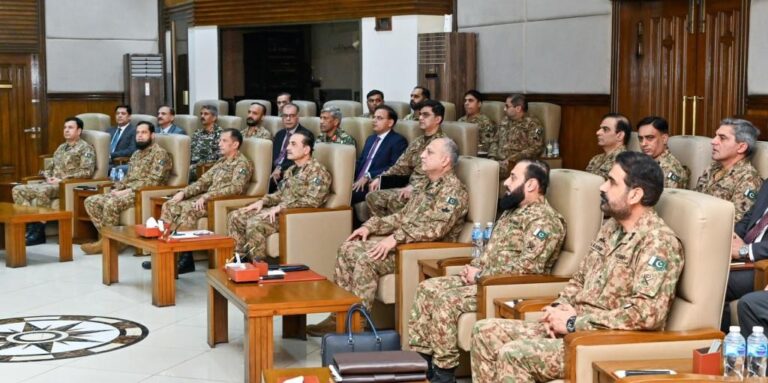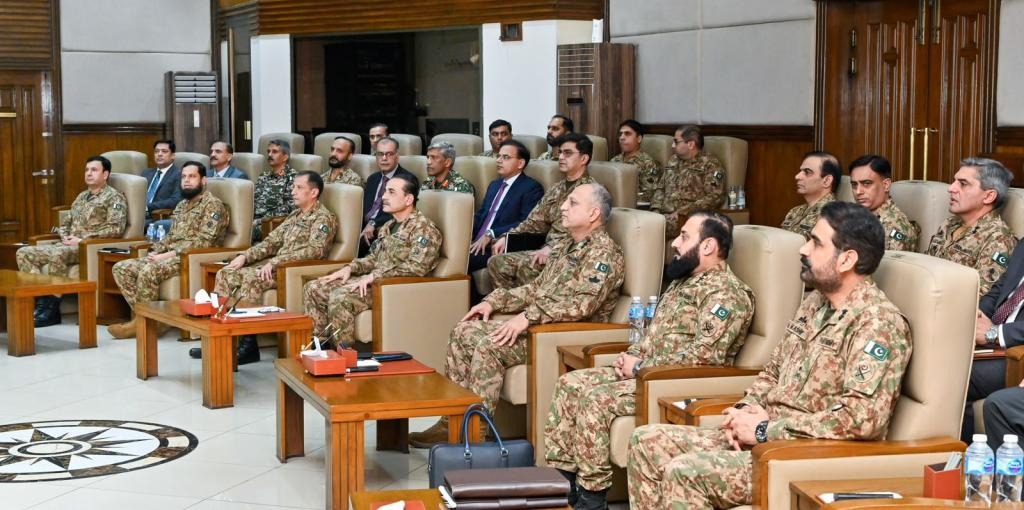
This week, the Embassy of Pakistan in Washington held a ceremony to mark Defence and Martyrs’ Day, honoring the soldiers who fought and died defending the country during the 1965 war with India.
The turnout said something on its own. Diplomats and military attachés from a number of countries came, alongside senior officials from the US government — a reminder of how much weight this particular day still carries for Pakistan’s diplomatic community abroad, even thousands of miles from home.
Ambassador Rizwan Saeed Sheikh led the tributes, speaking of the sacrifice made by those who never came home from that war and what it still means for the country’s sense of itself. Several members of the Pakistani-American community who attended spoke afterward about their own connection to the day — less a formal observance, for them, than a personal one, tied to family stories passed down about 1965.
“In 1965, the Pakistani nation set an exemplary display of bravery, national unity and solidarity against the enemy’s designs.”Ambassador Rizwan Saeed Sheikh
Why September 6
Pakistan observes Defence Day every year on September 6 — the date the 1965 war began. Martyrs’ Day is folded into the same occasion, honoring soldiers and civilians lost in that conflict and in the security operations that have followed in the decades since. Missions abroad tend to mark it the way Pakistan does at home: wreaths laid, formal remarks, sometimes a parade.
What the day means to the diaspora
For many of the overseas Pakistanis at Wednesday’s ceremony, the day is less about ceremony than continuity — a chance to pass something on to children and grandchildren who have never lived in Pakistan but were raised on its history. Ambassador Sheikh closed his remarks with a call to the community to carry that same sense of unity forward, wherever they’ve settled.

Our Editorial Desk is the intellectual engine of Digital Debate, responsible for the rigorous research that anchors every conversation. Our team deep-dives into data, checks every source, and consults academic literature to move beyond headlines and identify the questions behind the questions.