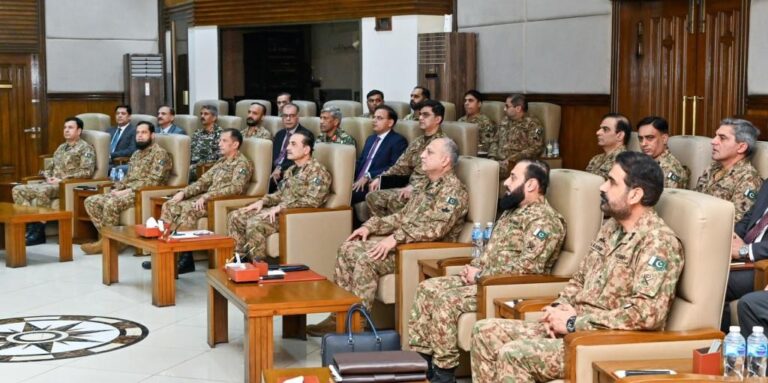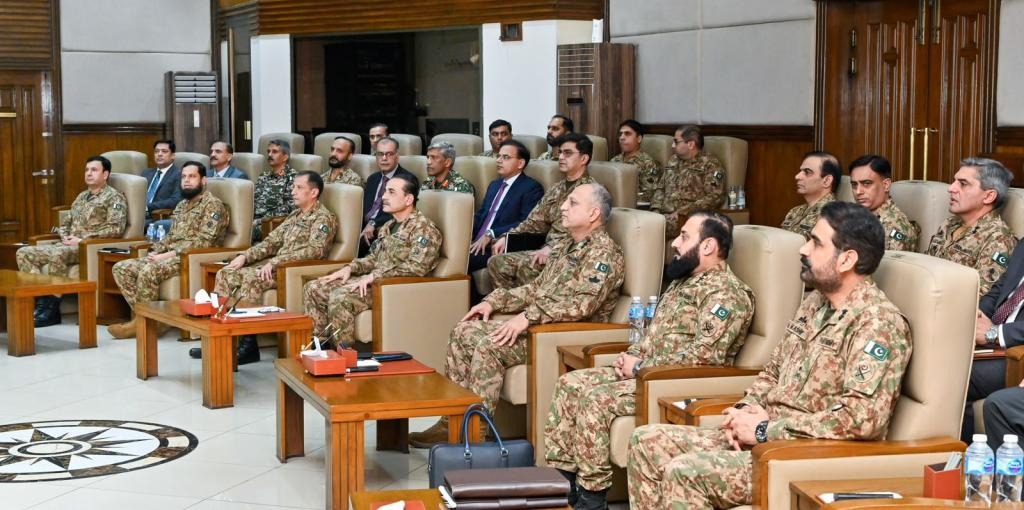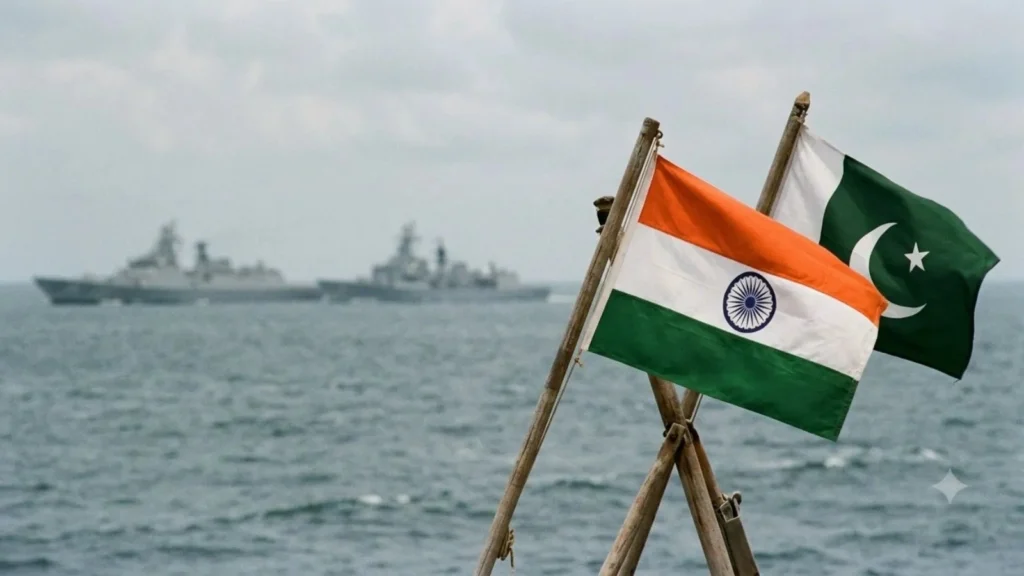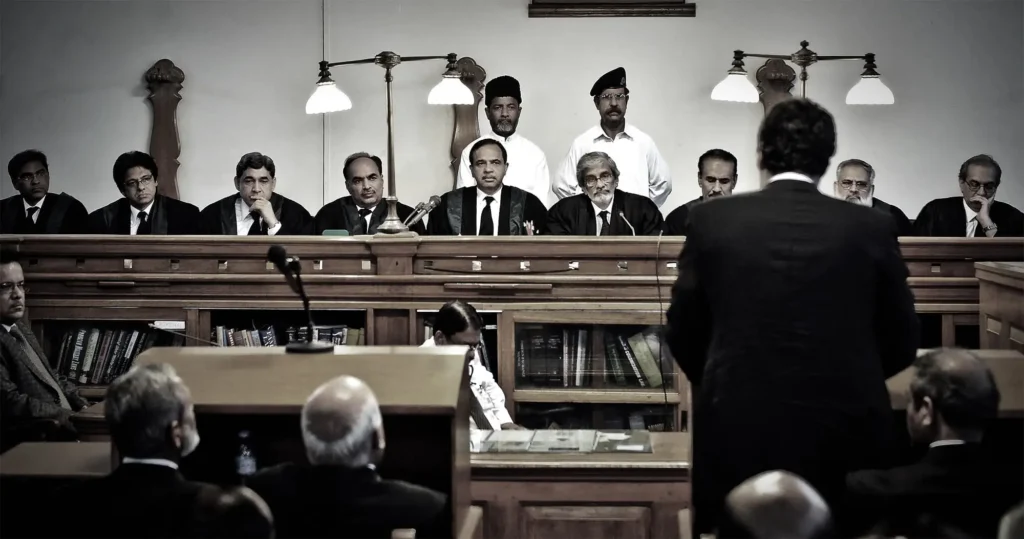
Water experts, legal scholars and international guests attended a day-long conference in Islamabad on Tuesday under the theme “IWT as an Enduring Legal and Institutional Framework”. The government termed it the first international seminar of its kind on the treaty. The timing was specific. More than fourteen months have passed since India placed the 1960 World Bank-brokered agreement in abeyance following the Pahalgam attack. Pakistan denied involvement in that attack, demanded a neutral investigation India refused, and has maintained since then that no country can unilaterally suspend a treaty negotiated and guaranteed under international law. Tuesday’s seminar was Islamabad taking that argument off the diplomatic circuit and into a documented international record.
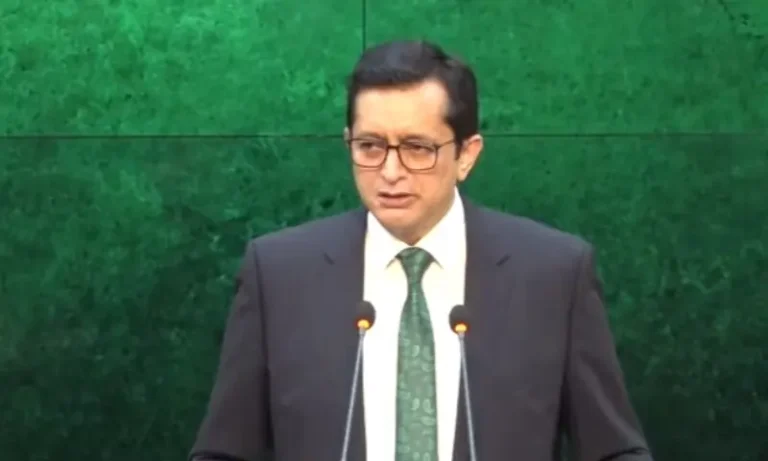
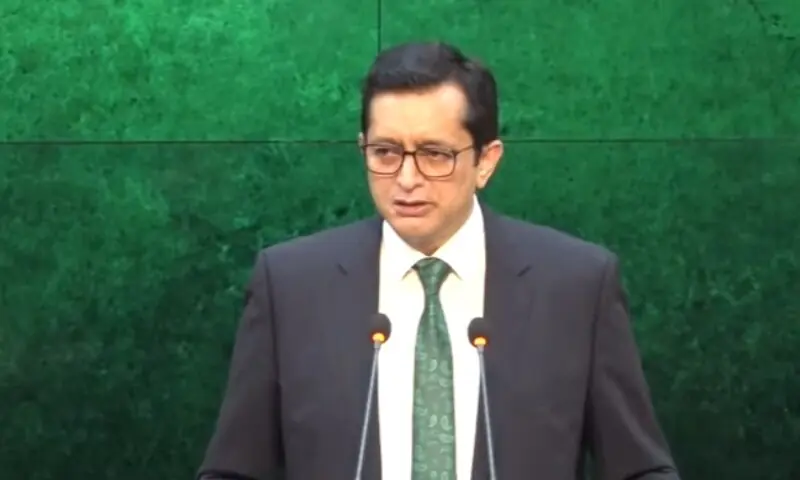
Pak’s Indus Waters Commissioner, Mehr Ali Shah, told the gathering that the Indus Waters Treaty’s essence is not only about water sharing but also a mechanism for conflict prevention, as attempts to suspend or weaken institutions will hamper peace in the region. That framing goes further than the standard Pakistani position on water rights. It situates IWT in the framework of post-Second World War international agreements; treaties aimed at averting conflicts. India’s suspension of the treaty, on that reading, is not a bilateral irritant. It’s a failure of the mechanism the international community has expressly established to prevent water from being used as a weapon.
As the gathering continued, Climate Minister Musadik Malik, without referring to India, questioned what purpose international treaties serve if a powerful country can be the first to put them on hold and likened this to history that has led to humanitarian catastrophes. The comparison is pointed and deliberate. Pakistan has no desire to seek the support of the international community in a South Asian conflict. It’s urging the world to think about what should happen if big powers have no repercussions for backing out of agreements that aren’t convenient for them.
Deputy PM and Foreign Minister Ishaq Dar said that the IWT is not only a water-sharing mechanism, but a very powerful tool for peace, stability and cooperation in the region, and that water should never be used as a weapon. When over 80% of Pakistan’s arable land is dependent upon the Indus basin, and agriculture accounts for nearly a quarter of GDP and a third of employment, water uncertainty turns into national uncertainty, the Indus Waters Commissioner added. That is not an abstract legal claim. It is a depiction of what suspension looks like for 240 million people who rely on water flows for their livelihood and survival.
What India’s Suspension Has Already Cost
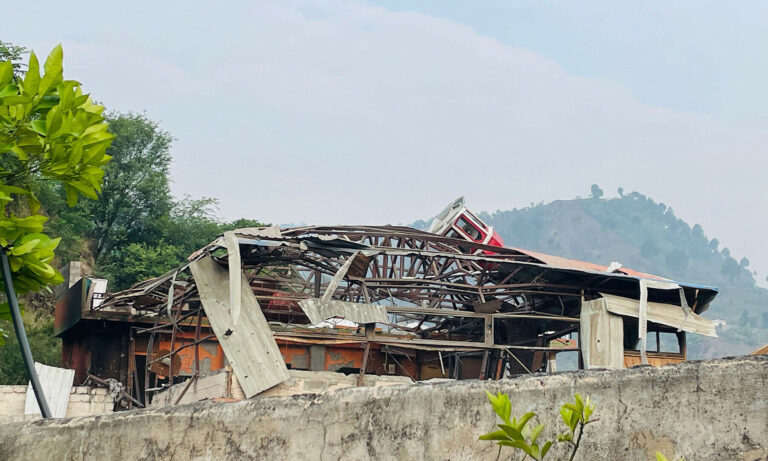
India’s decision has already had tangible repercussions. Pakistan is no longer getting necessary hydrological data from India for flood/drought planning. Pakistan’s Indus Commissioner has written four unanswered letters to his Indian counterpart on unexplained fluctuations in Chenab River flows. Seasonal water forecasting is crucial for farmers in Sindh and Punjab to make planting decisions. Without those forecasts, agricultural planning operates on uncertainty rather than data. Floods that might have been anticipated are not. Droughts that might have been managed are not. The suspension is not symbolic. It has already entered the crop cycle.
Information Minister Tarar said the treaty’s sanctity would be protected by all means available, at all international forums, legally and otherwise. Pakistan’s legal options are not exhausted. The World Bank’s dispute resolution process under the IWT, including the Court of Arbitration in The Hague, is still applicable. Speaking at the seminar, Bilawal Bhutto Zardari stated that any attempt to block, divert or control Pakistan’s water would be considered not routine engineering and the country would only engage in dialogue on the basis of international law. Pakistan has the legal forum. It has the documented violations. What Tuesday’s seminar added is international witnesses to a record that Pakistan wants written before India’s suspension becomes a precedent.
Minister of Climate Affairs Malik said the law is tried at its weakest, not its strongest, in international arenas. The IWT is 65 years old. It survived three wars between India and Pakistan. It withstood the Kargil war of 1999. It managed to survive both near confrontations in 2001 and 2008. It did not survive Pahalgam. Will that failure be permanent, or will the international legal framework that Pakistan is now actively seeking to develop in its case be enough to reopen the doors that India has closed? Pakistan gave the world its argument. The world sent delegates to hear it. The next move belongs to the legal process.

Our Editorial Desk is the intellectual engine of Digital Debate, responsible for the rigorous research that anchors every conversation. Our team deep-dives into data, checks every source, and consults academic literature to move beyond headlines and identify the questions behind the questions.