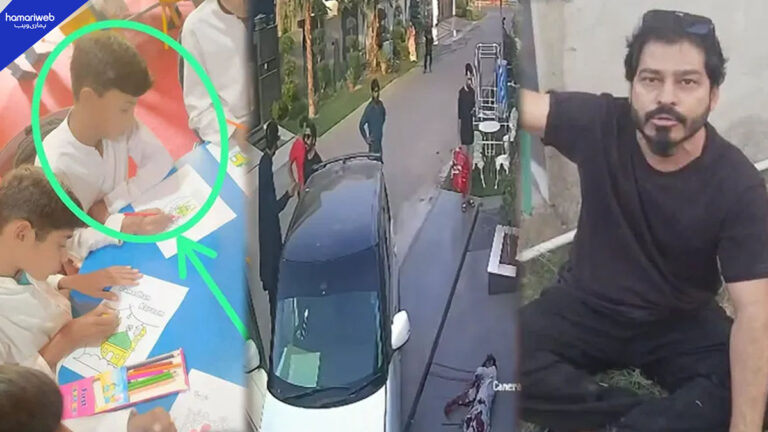
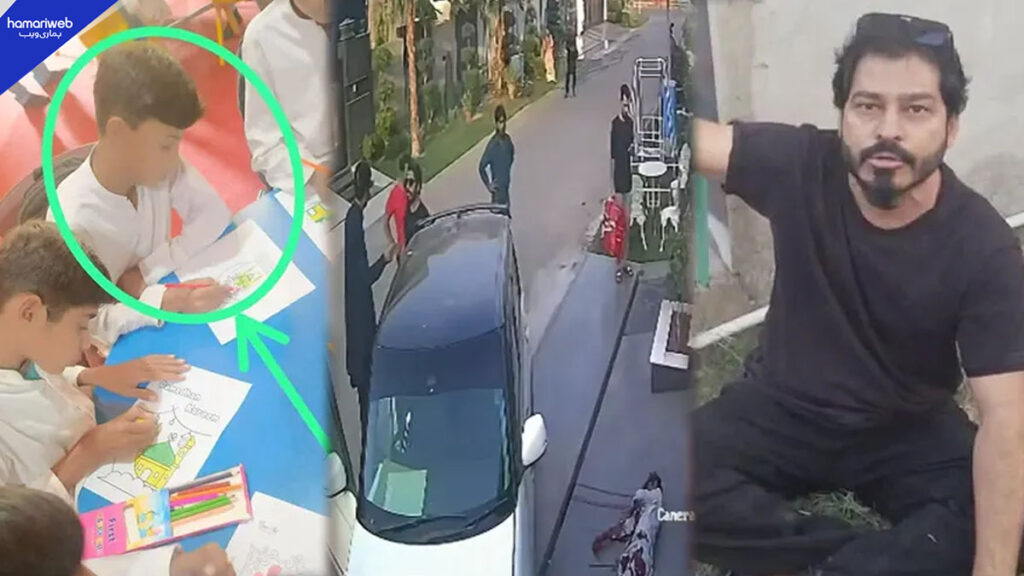
The killing of Waseem Abbas, a 15 year old orphan in Multan, exposes failures in child protection, education, labour regulation, policing and justice. According to police and media reports, a poor boy was sent to learn electrical work, faced alleged mistreatment, tried to leave and was chased and run over.
CCTV footage, a murder case, a reported assault on the accused by lawyers and the suspect’s death in an alleged CCD encounter have made this a national question. Can Pakistan protect its children and deliver justice without relying on anger, violence or encounters?
The crime is grave. If the evidence proves that Waseem was deliberately run over while escaping abuse, the guilty deserve the strictest punishment the law allows. Nobody who exploits, threatens or kills a child deserves sympathy.
But the demand for punishment must stay within the law. A society that accepts beatings in courtrooms or deaths in unverified encounters as justice weakens the system meant to protect children like Waseem.
Child Labour Leaves Children Exposed to Exploitation
The first failure came long before the car struck Waseem. He was an orphan from Muzaffargarh, living in an orphanage run by an NGO.
Sarah Ahmed, chairperson of the Punjab Child Protection and Welfare Bureau, has said it was unregistered. About a week before his death, he was sent to contractor Tauqeer Nazir to learn electrical work. Who approved that arrangement, and who checked on him afterwards? Police have detained several orphanage staff for questioning, and the answers should come out of that inquiry.
Pakistan’s child labour laws restrict hazardous work for adolescents, yet enforcement is weak, especially in informal workplaces where inspections are rare and complaints are hard to file.
Child rights groups estimate that millions of Pakistani children work, many in hazardous conditions. Each number is a child whose safety and future depend on adults who may not protect him.
Waseem’s case shows that child labour is a protection problem as well as an economic one. A child who works without a guardian or a registered institution watching over him depends on his employer’s goodwill. If the employer turns violent, he has few options. He cannot easily approach the police, a labour department or a lawyer, and he often does not know his rights.
Education Is the First Line of Defence
This tragedy also exposes the deep connection between child labour and the education crisis. Pakistan has one of the largest populations of out-of-school children in the world, with estimates placing the figure at around 25 to 27 million children aged five to sixteen.
When the state fails to provide accessible, quality education, poor families are left with limited choices. Children are pushed into workshops, homes, fields, streets, and factories, where they are often underpaid, overworked, and unprotected.
Education is not only about literacy; it is a shield against exploitation. A child in school is more visible to society, more likely to have adults monitoring his wellbeing, and less dependent on an employer for survival. A child outside school, particularly an orphan, is far more vulnerable to abuse.
If Pakistan is serious about preventing another Waseem Abbas case, it must invest in free and quality education, vocational training under regulated conditions, stipends for poor families, and strict monitoring of institutions that claim to care for orphans.
The reported fact that Waseem was living in an unregistered orphanage is especially alarming. Orphanages and welfare institutions must be registered, inspected, and held accountable for every child in their care.
It is not enough for an institution to provide shelter; it must ensure schooling, healthcare, psychological support, legal protection, and safe transitions into adulthood. Any institution that sends children into informal work without safeguards must face investigation and consequences.
Lawyers, Courts and Public Trust
The reported incident during the accused’s court appearance reminds us of the important responsibility carried by lawyers, police, and the judiciary in moments of intense public emotion. Lawyers are officers of the court and play a vital role in protecting the dignity of the legal process. Their conduct can help reassure the public that justice will be achieved through evidence, law, and fair procedure.
The anger of the people is natural because the crime is extremely serious and heartbreaking. The killing of a 15-year-old child has deeply hurt society, and people rightly want the guilty to be punished.
However, this case gives the legal community an opportunity to show that Pakistan’s courts can remain calm, professional, and firm even under pressure. When lawyers, judges, and police work together with discipline and integrity, they can turn public pain into public trust and ensure that justice is delivered in a manner that strengthens the rule of law.
CCD’s Action and the Need for Swift Justice
The CCD’s action against the fleeing suspect shows that law-enforcement agencies can respond firmly when an accused person tries to escape accountability. If Tauqeer Nazir had genuinely escaped custody and was involved in firing, the CCD’s operation reflects the urgency required in a case involving the brutal killing of a child. The public expects the police to pursue criminals, prevent their escape, and ensure that those responsible for such cruelty do not walk free.
At the same time, the case also exposes why people have lost confidence in the slower machinery of courts and legal proceedings. If the justice system had delivered swift punishment in cases of child abuse, murder, and exploitation, the public would feel that an encounter was the only way to ensure accountability.
Waseem Abbas deserved timely justice through the law, and the state must ensure that the remaining accused, Amjad Ali, is arrested and punished without unnecessary delay. The CCD’s role should be acknowledged where it acted lawfully, but the broader lesson is that Pakistan’s courts and institutions must become strong enough to deliver justice before public patience runs out.
What the State Must Do
Waseem was failed by poverty, an unregistered care system, child labour and now a justice process marked by violence and doubt. Laws exist on paper, but protection needs enforcement. Courts exist, but justice needs public trust. Police exist, but security needs discipline and accountability.
Real accountability would include a judicial inquiry into the escape and the encounter, a registered and monitored child protection system, strict action against employers who exploit children, free education, protection for orphans, and discipline for the lawyers who took part in the attack. Slogans, temporary arrests or an encounter will not achieve this.
Waseem Abbas needed an adult or an institution to stop the harm before the day he ran. Pakistan can still make sure the next child is protected in time.

Our News Desk represents a rapidly expanding frontier in contemporary journalism, focusing on the intersection of technological advancement, geopolitical narratives, and the shifting dynamics of public information.