Something odd happened this week. An Afghan Taliban diplomat gave a talk at a university in Islamabad, and by the next evening it had turned into a full-blown argument about whether Pakistan’s entire Afghan policy was quietly changing.It wasn’t. But the noise around it tells us something worth paying attention to.
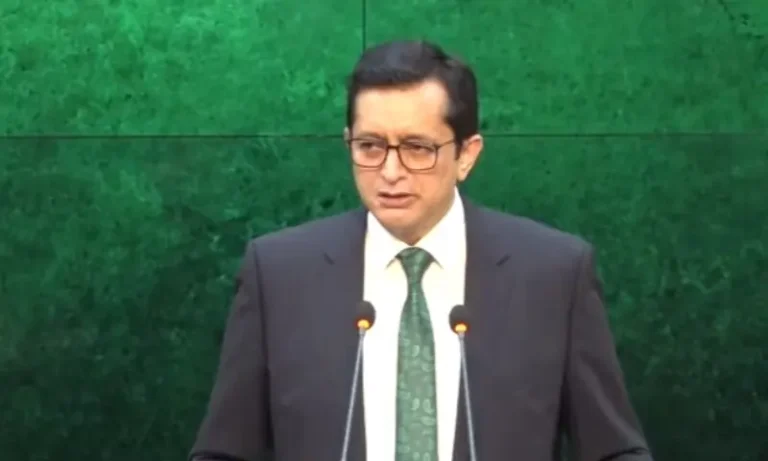
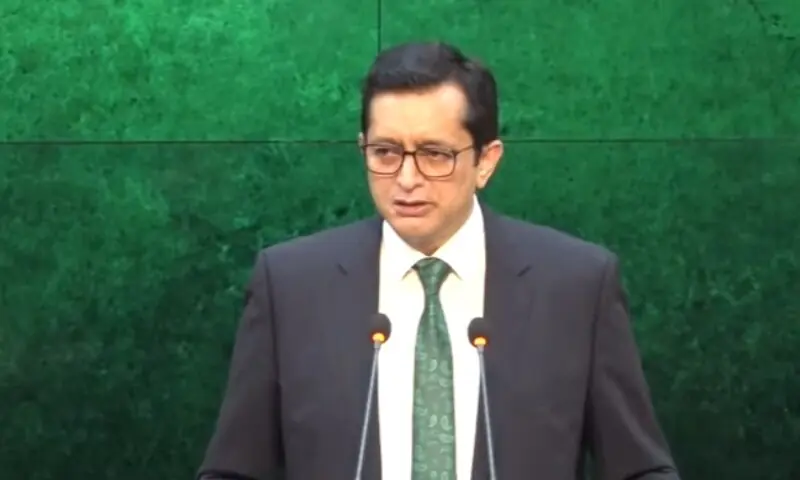
Start with what actually happened. Sardar Shakib Ahmed, the Taliban’s ambassador in Islamabad, was invited to speak at the National Defense University. In his remarks, he did something that, on paper, should have been reassuring: he said Afghanistan doesn’t want its soil used against Pakistan, and he acknowledged that Pakistan’s security worries are real. That’s more than Kabul usually concedes in public. But in the same breath, he pushed back on military action, on outside pressure, and on the idea of using trade and border crossings as leverage. His pitch was simple, talk to us as we are today, not through the lens of old grievances.
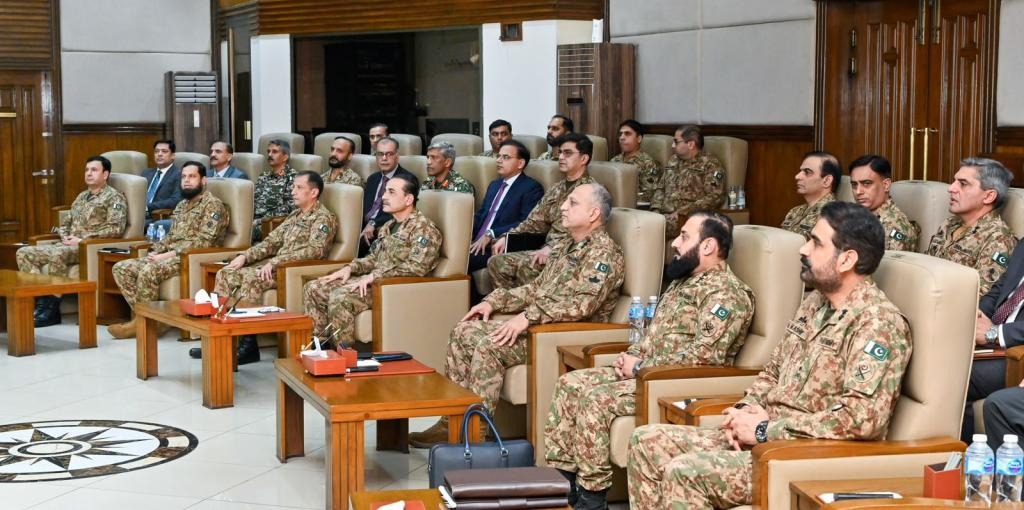
For a relationship as tense as this one has been for months, that combination, some acknowledgment, some defiance, was always going to be read in different ways by different people.Analysts jumped first. Several took the invitation itself as the story: why would NDU, of all places, host the Taliban’s man and give him a platform, unless something was shifting behind the scenes? The Foreign Office spent Wednesday evening trying to calm that down. Its message was blunt, diplomats visit universities all the time, this is routine, and nobody should treat one lecture as a barometer for the state of two countries’ relations. The spokesperson added that nothing changes until Kabul actually delivers on stopping Afghan soil from being used for terrorism. Same position as before, he said, nothing new.
Then came the second wave, and this one was angrier. A campaign spread on social media arguing that the ambassador’s own conduct after the event proved exactly why he shouldn’t be trusted. NDU talks, it turns out, are held under the Chatham House Rule, you can use what was said, but you can’t say who said it or where. The ambassador apparently went out and did the opposite: talked about the session publicly and put out videos from it. To his critics, that wasn’t a minor breach of etiquette. It was proof of a pattern, a regime, they argued, that doesn’t feel bound by rules it doesn’t like, whether those rules are diplomatic norms or promises about cross-border terrorism.
Here’s the thing both sides of this argument are missing. The Foreign Office is right that one guest lecture doesn’t rewrite foreign policy, that’s a fair and honestly overdue correction to the breathless “policy shift” takes. But the reaction to the ambassador’s post-event conduct isn’t really about a broken meeting rule either. Nobody is this upset over a procedural etiquette lapse. What’s actually happening is that trust between Islamabad and Kabul is so thin right now that even a routine event gets stretched to carry meaning it was never built to carry, first by people hoping for a thaw, then by people looking for confirmation that there’s nothing to hope for.
That’s the real story here, and it’s not a flattering one. When a relationship is healthy, a diplomat’s university lecture is just a diplomat’s university lecture. When it isn’t, everything becomes evidence for whatever you already believed. The Afghan ambassador said the right things about not letting Afghan territory be used against Pakistan, and Pakistan has heard that line before, more than once, without much to show for it. So skepticism is earned, not manufactured. But turning a breach of an academic ground rule into a referendum on an entire regime’s character says more about how strained the environment has become than it does about the ambassador himself.
The actual test was never going to be what anyone said at NDU. It’s whether Afghan soil stops being used against Pakistan. Everything else, the invitation, the speech, the videos, the outrage, is commentary while everyone waits to see if that happens.

Our Editorial Desk is the intellectual engine of Digital Debate, responsible for the rigorous research that anchors every conversation. Our team deep-dives into data, checks every source, and consults academic literature to move beyond headlines and identify the questions behind the questions.