The NATO summit in Ankara was scheduled to cover three priorities: increasing allied defense investment, bolstering transatlantic industrial production, and supporting Ukraine. It instead ended up covering a fourth one that nobody formally put on the agenda: the Iran war that Trump initiated without informing any NATO ally, some of which actively opposed him, and which has resulted in new strikes and new violations during the summit.
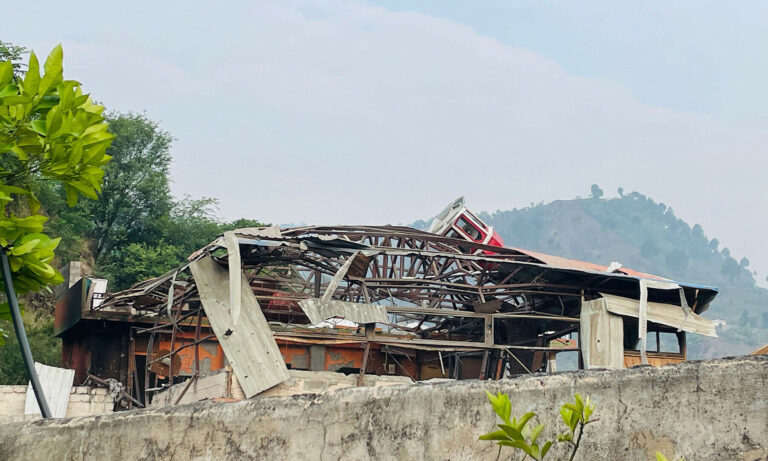
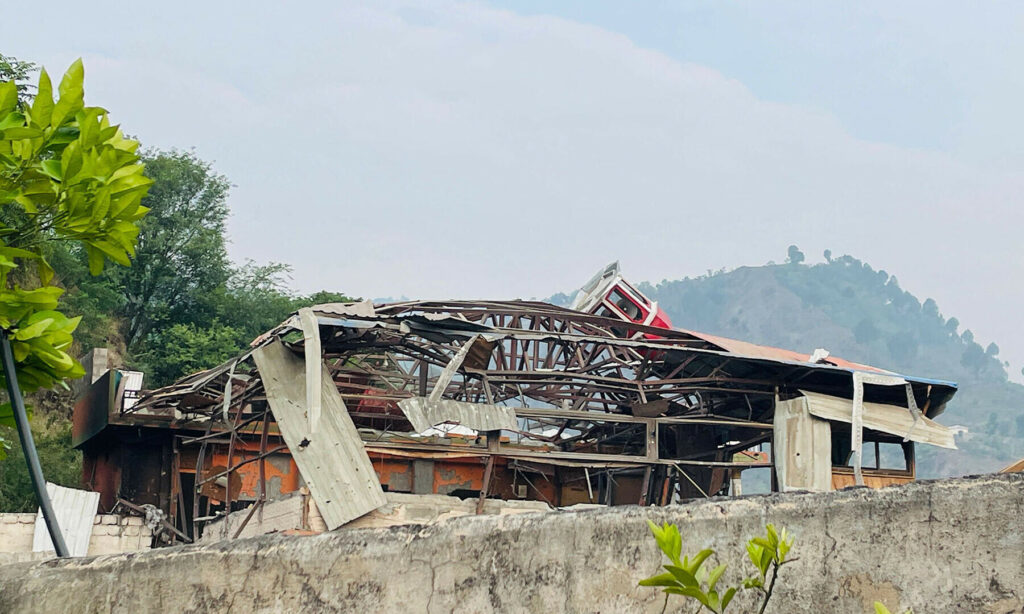
On Tuesday, Iran fired on three commercial vessels in Oman’s territorial waters near the Strait of Hormuz. US called the strikes a “gross violation” of the MOU. US Central Command responded with punishment strikes against over 80 Iranian targets, which, according to the official, were “not proportional” in scale. At the same time, the Trump administration reinstated sanctions on Iranian oil exports, cancelling one of the main concessions made to Iran for opening the waterway. Brent crude futures rose more than 5%. The MOU signed on June 17 is now being violated by both sides on its 21st day, with sanctions restored that the deal required to be lifted.
Iran’s timing was deliberate. Iran’s latest escalation comes across as a bid to rebuke Trump while he is attending the NATO summit in Turkey, which neighbors Iran, and to flex leverage that it believes it acquired during the conflict. Tehran fired on commercial ships while Khamenei’s funeral processions moved through Iranian cities, crowds chanted for revenge, and the new Supreme Leader remained unseen. The military and diplomatic parallel has been pursued concurrently, and the negotiating team is still operating in Doha while hardliners in the IRGC seem to be pushing the front lines further. That internal division is not new. It’s the pattern that’s been followed by Iran all along in the 131-day-long conflict.
What NATO Did and Did Not Decide
The NATO summit declaration will call on Tehran to fully respect freedom of navigation in the Strait of Hormuz. Gulf state representatives attended the summit. A combined force of friendly nations, including France and the United Kingdom, is ready to deploy minesweepers and diving teams to clear the strait of mines. No specific NATO role in the Gulf was agreed. It is a coalition, not an operation of alliances. Its rules of engagement remain unclear, with a NATO official noting mixed signals from Iran about whether third-country naval vessels would be allowed to operate in the strait and adding that few European vessels have adequate drone defenses to operate there safely in current conditions.
Trump arrived in Ankara angry. During the war, European allies did not accept his pleas to help defend Hormuz shipping lanes. Spain, France, and Italy reportedly restricted US access to their airspace and military bases for offensive operations against Iran. Trump said in April he was “beyond reconsidering” NATO membership, calling the alliance a “paper tiger.” The bilateral tensions came to Ankara with the escalation in the Hormuz region and the funding discussion about the Ukrainian case. The summit is simultaneously managing three crises: the Iran war, the Russia-Ukraine situation, and the relationship between the US and Europe.
A Friends of Europe analysis noted that the summit is not expected to be a landmark event, but that if Trump acknowledges the European offer to deploy a maritime task force in the Strait of Hormuz for demining and freedom of navigation, the transatlantic dialogue resumed at the G7 in Evian would have gained useful momentum. It’s a low bar indeed for the world’s most powerful military alliance. It reflects a moment when NATO’s cohesion is under pressure from the inside at the same time as the Hormuz crisis tests it from the outside.
The MOU’s 30-day Hormuz deadline expires on July 17. Nine days remain. The US has now reimposed the oil sanctions that the MOU required to be lifted. Iran has struck three more ships in Oman’s territorial waters. The truce is not over. Both sides are still saying that it is technically in force. What has been proven false is the notion that the signing of 17th June settles the Hormuz issue. It did not. It deferred it. And on the day Trump sat in Ankara trying to repair NATO cohesion, Iran reminded the world that the deferred question is still fully armed.

Our Editorial Desk is the intellectual engine of Digital Debate, responsible for the rigorous research that anchors every conversation. Our team deep-dives into data, checks every source, and consults academic literature to move beyond headlines and identify the questions behind the questions.