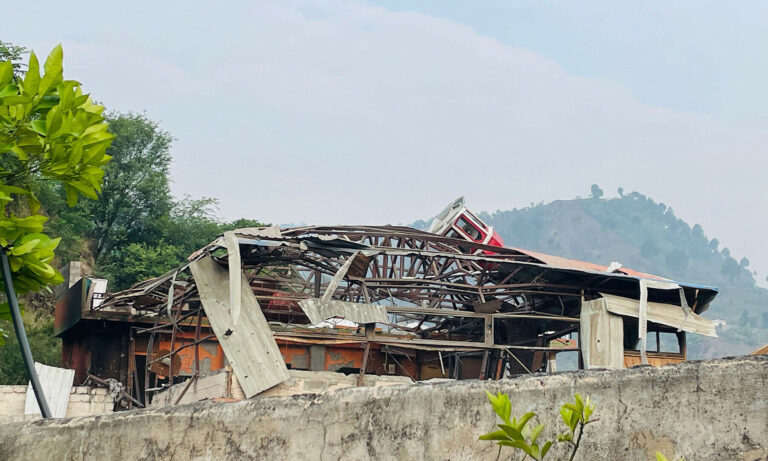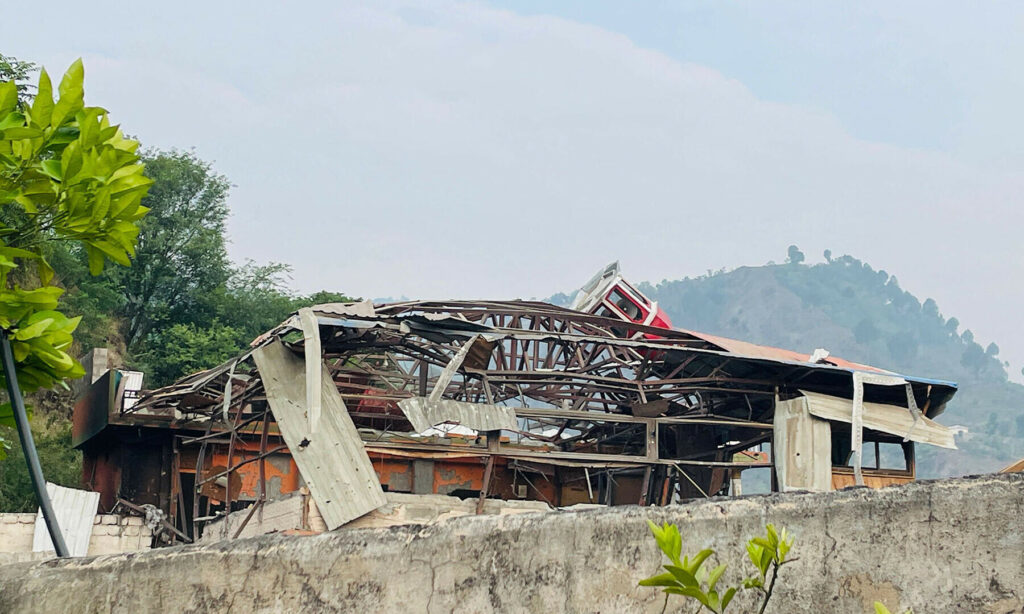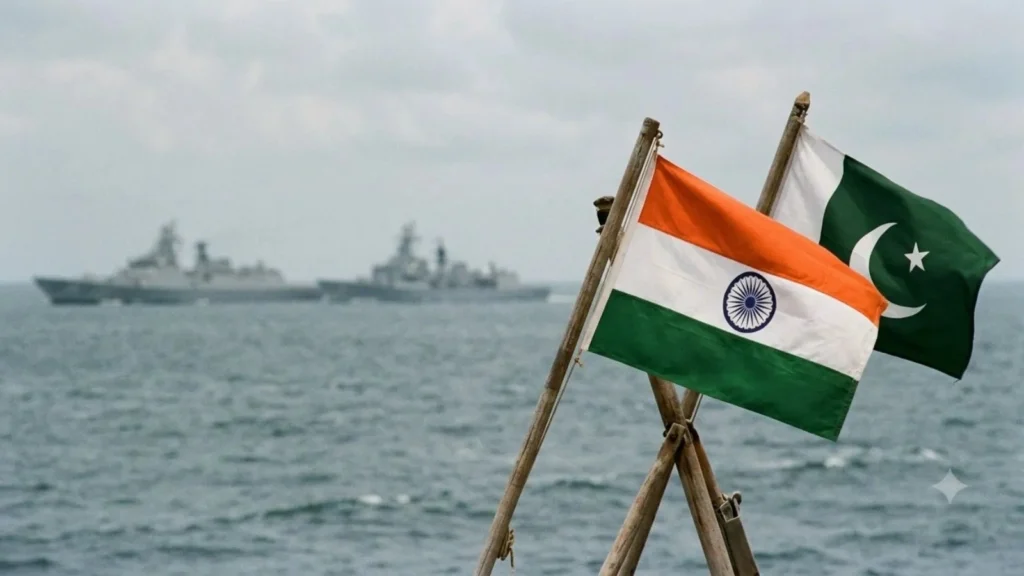
The one-week stand-down agreed in Doha on June 29 expired on July 5. It was not followed by a new agreement. The six-day funeral of Khamenei, taking place in Tehran, Qom, Najaf, Karbala and Mashhad from July 4 to 9, has halved active diplomacy, with talks reportedly suspended until the end of the ceremonies. In between those two dates, a tanker was struck. A vessel was hit by an unknown projectile on Monday while traveling south into the Gulf of Oman, eight nautical miles east of Limah, causing a fire on its port side. No party has claimed responsibility.
The Strait of Hormuz, which the MOU was meant to reopen to normal traffic within 30 days, is now on day 20 of that window. Almost a third of boats traversing the strait in recent days have moved along the Omani coastline, tracking data shows, avoiding the main channel entirely. Traffic is said to be “steady but not increasing. The MOU has not resulted in an operational waterway. It has produced a contested one with lower-intensity skirmishing.
The funeral itself is doing active political work. Hundreds of thousands of mourners filled Tehran’s streets on Monday for the main procession. Posters and graffiti at the Grand Mosalla called for the killing of Trump and Netanyahu. Iran’s parliament speaker and chief nuclear negotiator attended. Iran’s president attended. The same officials negotiating a final deal in Doha this week were standing in a crowd calling for the death of their negotiating partner. It’s no coincidence that that’s a contradiction. It is the domestic political environment in which Iran’s negotiators operate, and it sets a ceiling on how far they can publicly move toward Washington without being seen as betraying the funeral’s central message.
Iran’s new Supreme Leader Mojtaba Khamenei, reportedly severely wounded in the February 28 strikes with potential leg loss and facial injuries, has not appeared publicly at any ceremony. The biggest single item of news this past week is his absence. The Islamic Republic is conducting its most important political ritual in 37 years without its supreme leader visible. Iran’s government is projecting this as a managed transition and a show of resilience.
The Hormuz Window Is Running Out
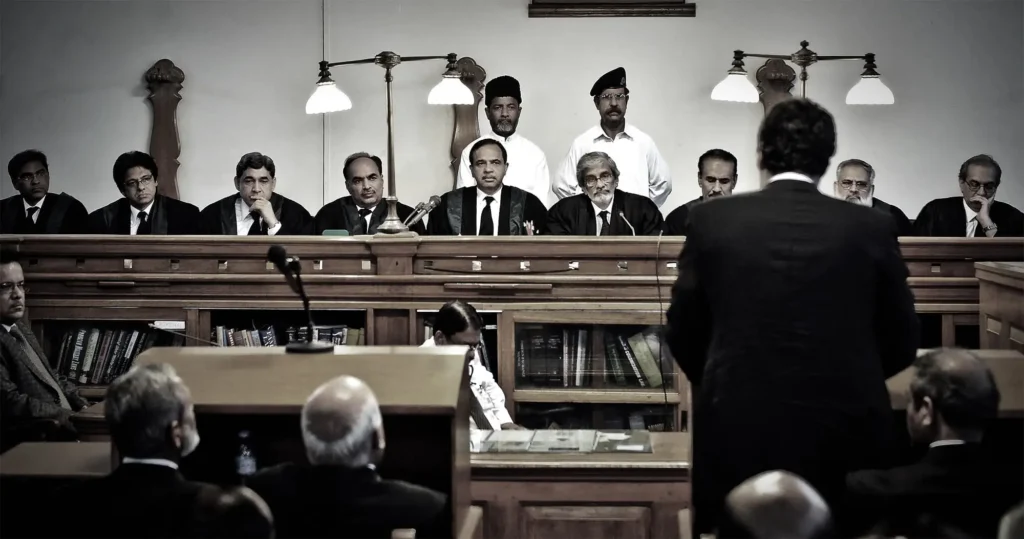
Iran’s parliament speaker Qalibaf dismissed reports of expanded nuclear inspection concessions on July 1 as lies, and stated IAEA inspectors will not access bombed nuclear sites under any circumstances, under laws ratified by parliament and the Supreme National Security Council. The statement came four days into a funeral period and five days before the Doha talks are set to resume. It limits Iran’s options when negotiating its nuclear file. Publicly declared by Trump and confirmed by his negotiating team, the US position calls for access to bombed sites by the IAEA as part of the final deal. Iran’s parliament speaker, who leads those negotiations, has now publicly ruled it out on live television.
The Trump administration has said it expects Hormuz security to be among the topics at the NATO summit in Ankara, where Trump is expected to travel after July 7. The original MOU did not include NATO’s role in Hormuz security. The introduction of the issue as a topic on the agenda marks the beginning of Washington’s contingency plan for the strait if no final agreement is found in the 60-day period.
OPEC+ responded to the still-constrained traffic by announcing a production increase of 188,000 barrels a day, the fifth consecutive output hike since February 28. Oil prices have fallen from their April peak of $126 a barrel to $72.1 on Friday. The market is pricing in a deal. Whether the deal arrives before the market prices its absence is the economic clock running alongside the diplomatic one.

Our Editorial Desk is the intellectual engine of Digital Debate, responsible for the rigorous research that anchors every conversation. Our team deep-dives into data, checks every source, and consults academic literature to move beyond headlines and identify the questions behind the questions.