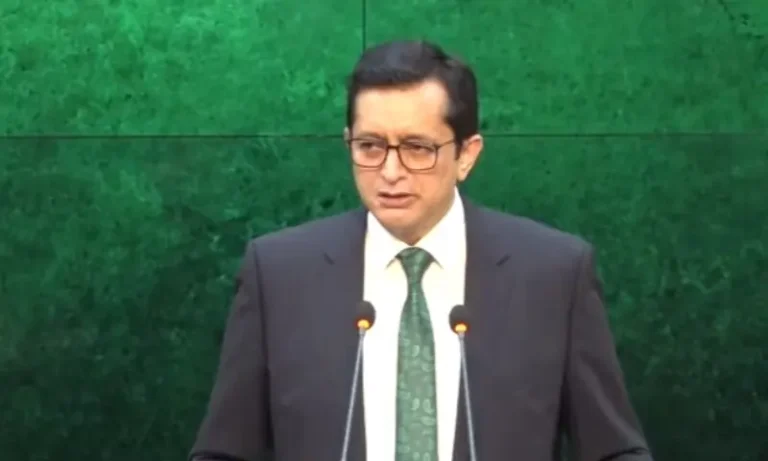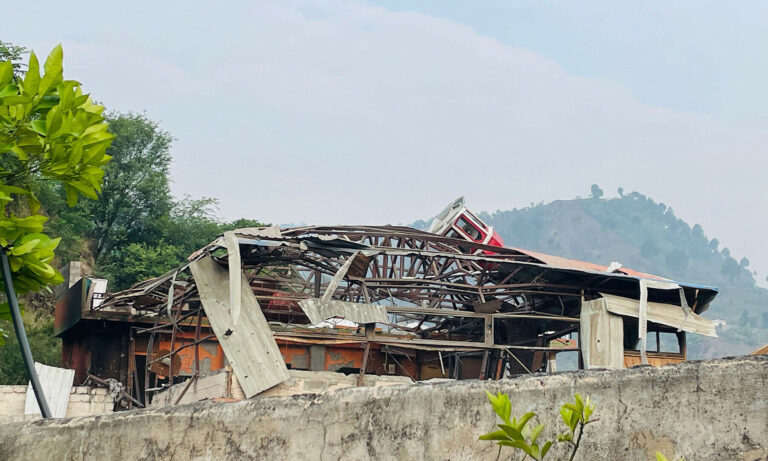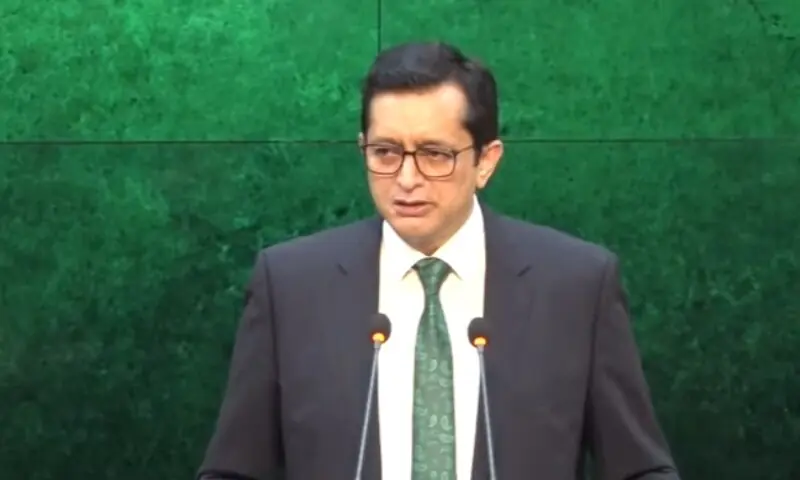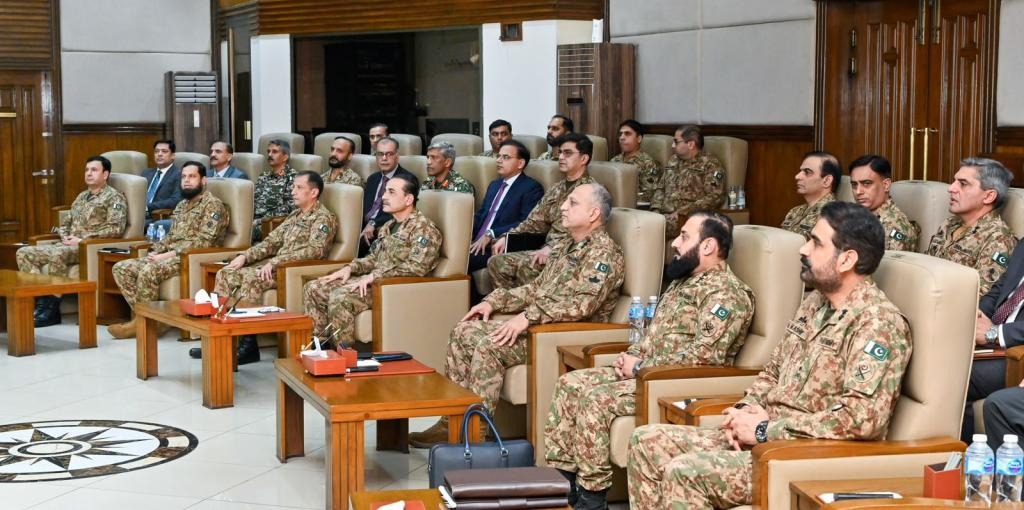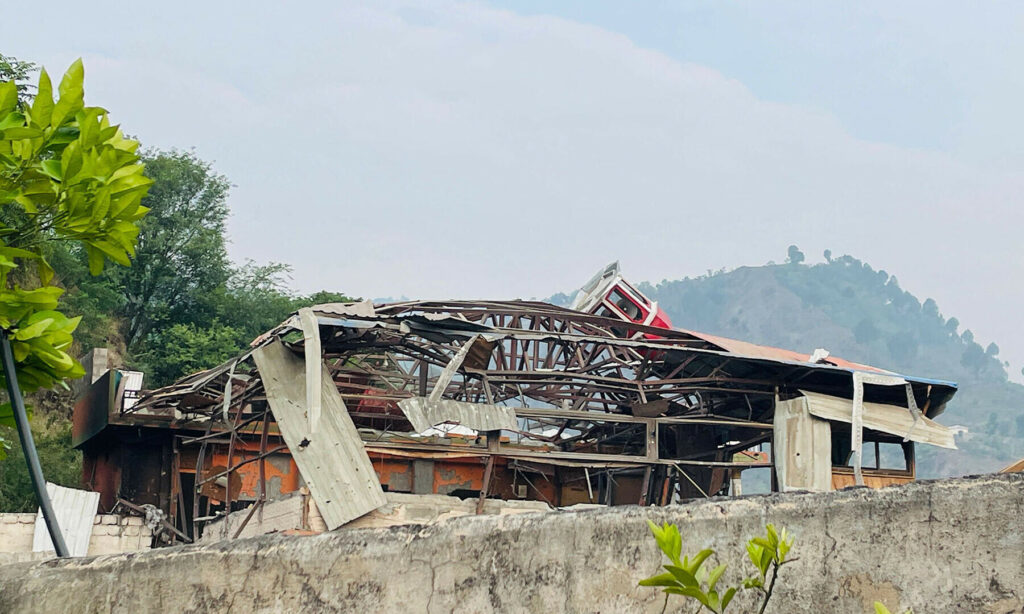
The Afghan Taliban regime’s claim of drone strikes against alleged Islamic State Khorasan Province camps in Khyber Pakhtunkhwa and Balochistan has been swiftly dismantled by facts on the ground. Pakistan’s Ministry of Information and Broadcasting Fact Checker clarified that the only drone activity recorded was a rudimentary Taliban aircraft intercepted near Shenko in Khyber, destroyed promptly by the vigilant air defence systems of the Pakistan Air Force. The episode, far from representing a credible counterterrorism operation, exposes a pattern of fabricated messaging designed to obscure the regime’s own entanglement with militant networks operating freely within its territory.
Timing offers the clearest insight into motive. The announcement surfaced precisely as Pakistan prepared to formalise its role as a central broker in the signing ceremony of a major regional peace arrangement, an achievement that has elevated Islamabad’s diplomatic standing on the global stage. For a regime increasingly isolated and struggling to manage internal governance failures, economic collapse, and mounting criticism over its tolerance of groups such as the Tehreek e Taliban Pakistan, Al Qaeda, and Daesh affiliates, the temptation to manufacture an external narrative proved irresistible. By projecting an image of confrontation with terrorism, Kabul attempts to rebrand itself as a security actor rather than the sanctuary it has become for more than two dozen designated terrorist organisations.
Afghan Voices Reject the Regime’s Narrative
Afghan voices themselves have grown sceptical of this performance. Sami Sadat, the former Afghan National Army commander, condemned the drone activity directed at tribal militia targets across the border, warning that such recklessness invites a forceful Pakistani response while leaving ordinary Afghans exposed to consequences they neither caused nor can escape. His remarks reflect a broader sentiment circulating among Afghan commentators and civil society figures, many of whom view the current Taliban leadership’s provocations as serving narrow factional interests rather than the welfare of the Afghan population. Statements shared widely on Afghan social media echo this frustration, with numerous users describing the regime’s actions as reckless gambling conducted at the expense of civilians who already endure economic deprivation and restricted freedoms under Taliban governance.
This internal Afghan critique matters because it dismantles the regime’s preferred framing of unity against external threats. When a figure of Sadat’s stature publicly faults Kabul for endangering Afghan lives through irresponsible military posturing, the narrative of a united front collapses. It becomes evident that the drone claims serve factional and propaganda purposes within Afghanistan’s fractured power structure rather than any genuine counterterrorism objective.
Regional Beneficiaries of a Manufactured Crisis
Strategic beneficiaries of this manufactured tension are easily identified. India and Israel, both invested in undermining Pakistan’s growing diplomatic capital and its image as a stabilising force in the region, stand to gain considerably from any narrative suggesting friction along the Pakistan Afghanistan border at this delicate juncture. A regional environment perceived as volatile distracts attention from Pakistan’s substantive achievement in facilitating dialogue and easing tensions elsewhere, while simultaneously providing rhetorical ammunition to actors eager to portray the region as inherently unstable. The convenient timing of the Taliban’s claims, arriving just as Pakistan’s mediating role earned international recognition, fits neatly into this broader pattern of narrative warfare waged against Islamabad’s regional standing.
Pakistan’s response has been measured and grounded in verified intelligence rather than reactive rhetoric, reflecting the maturity expected of a state managing a complex security environment with composure. The Fact Checker’s swift rebuttal, supported by tangible evidence of the intercepted drone, illustrates a deliberate strategy of countering disinformation through transparency rather than escalation. This approach strengthens Pakistan’s credibility precisely when global attention is fixed upon its diplomatic achievements.
Ultimately, the episode reveals more about the Afghan Taliban’s domestic vulnerabilities than about any genuine security threat emerging from Pakistani soil. A regime unable to deliver governance, economic stability, or protection from the very terrorist networks it harbours finds convenience in external scapegoating. Yet Afghan voices, including respected military figures and civil society commentators, increasingly recognise this strategy for what it is. As Pakistan continues its trajectory toward regional peace brokerage, the contrast between constructive diplomacy and manufactured provocation grows sharper, leaving Kabul’s credibility further diminished on the international stage.

Our Editorial Desk is the intellectual engine of Digital Debate, responsible for the rigorous research that anchors every conversation. Our team deep-dives into data, checks every source, and consults academic literature to move beyond headlines and identify the questions behind the questions.