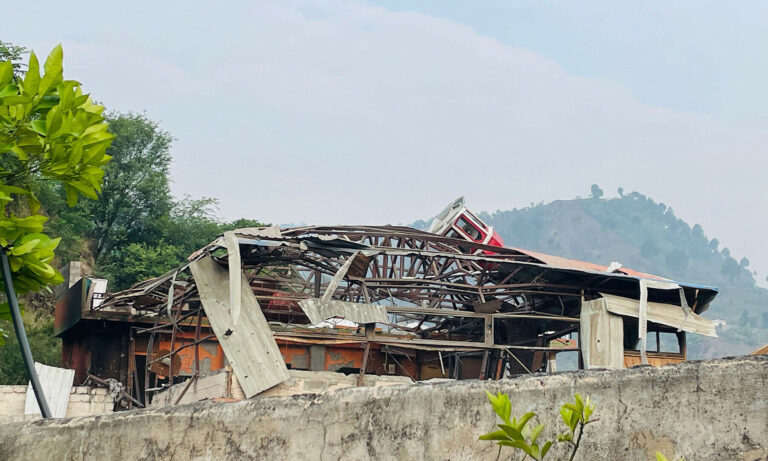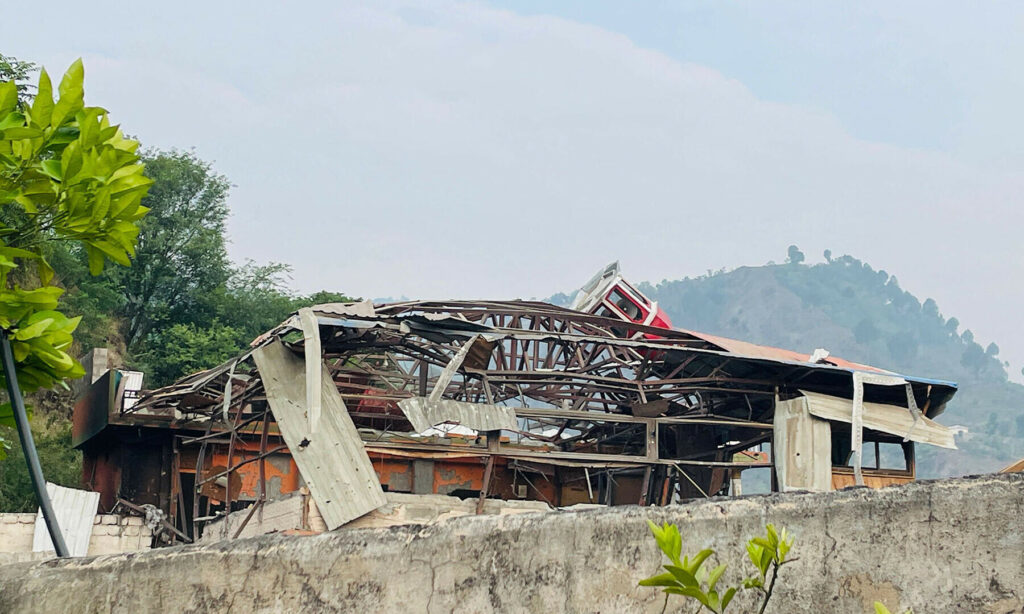
The reported killing of approximately 25 Taliban members in the Achin district of Nangarhar, with several reportedly beheaded, represents a seismic rupture in the fragile unity of the Afghan militant landscape. This is not a skirmish with an external enemy; the brutality and scale of the attack point inexorably to a violent and deep-seated internal schism. The most logical framework for understanding this bloodshed is the escalating, and now lethal, friction between the Afghan Taliban (TTA) and the Pakistani Taliban (TTP), a rift that has moved from political maneuvering to open, armed confrontation.
For years, a convenient, if uneasy, alliance existed. The TTA provided sanctuary and operational space to TTP elements, viewing them through the lens of shared ideological kinship and strategic utility. However, this arrangement has proven to be a festering wound, creating a dangerous dependency that the TTA can no longer manage. The TTP, emboldened by its safe haven, has pursued its own agenda with increasing audacity, straining the patronage of its Afghan hosts. The Nangarhar attack is likely the bloody climax of this growing discontent, where a faction within the TTA decided to forcefully purge the TTP presence from its territory.
The core of this internal war is ideological and operational. The TTA, having assumed the mantle of a governing authority, faces pressures to present itself as a cohesive and stable entity. The TTP, by contrast, remains an insurgent force dedicated to relentless militancy. This fundamental divergence in objectives, governance versus perpetual insurgency, has created an irreconcilable conflict within their ranks. The reported beheadings are a grim hallmark of this extremism, suggesting that the violence is not merely tactical but is driven by a bitter doctrinal schism, possibly over the TTP’s uncompromising methods that draw unwanted international scrutiny upon their Afghan allies.
Moreover, this internal strife is exacerbated by tribalism and local power dynamics. The porous border region is a tapestry of fiercely independent Pashtun tribes whose loyalties are fluid and often transcend formal allegiances. The TTP draws significant support from these populations, creating a natural kinship that makes it politically perilous for TTA commanders to act against them. Yet, the very act of doing so in Nangarhar suggests a faction within the TTA has chosen to break this kinship, possibly in response to TTP overreach in local affairs or a violent dispute over territory and resources. The large number of casualties indicates a well-planned and decisive operation, signaling that certain TTA leaders are willing to sacrifice the broader alliance to consolidate their own power.
This incident reveals the TTA’s internal fragility and its inability to control the very elements it once harbored. The attack is a public admission that the TTA is not a monolithic movement but a coalition of competing interests. The hardliners who once championed the TTP’s cause are now at odds with those who seek to stabilize their rule. The Nangarhar massacre will likely embolden the TTP to retaliate, plunging the region into a vicious cycle of internecine violence. As the body count rises, the illusion of a united Taliban front shatters completely, exposing a movement cannibalizing itself in a desperate struggle for supremacy. The international community’s hopes for a stable Afghan government look increasingly naive as this internal rift deepens, threatening to turn the country into a theater for a brutal fratricidal conflict between two allied militant groups turned mortal enemies.

Our Editorial Desk is the intellectual engine of Digital Debate, responsible for the rigorous research that anchors every conversation. Our team deep-dives into data, checks every source, and consults academic literature to move beyond headlines and identify the questions behind the questions.