There is a specific contradiction embedded in August 15 that India has never resolved, and the international community has never adequately examined. The day that India celebrates as the day of Independence from Colonial Rule is the day that Kashmiris celebrate as the symbol of the freedom denied to them by the Indian Republic. Kashmiris on both sides of the Line of Control and across the world are observing India’s Independence Day today as a Black Day to protest India’s illegal occupation of Jammu and Kashmir. The call has been given by the All Parties Hurriyat Conference and supported by all pro-freedom leaders and organizations, with Kashmiris living across the world holding anti-India demonstrations today to draw international attention to the ongoing atrocities in the occupied territory.
The logic of the Black Day observance is not a rejection of freedom. It is a demand for it. On the very day India celebrates the principle of national freedom, Kashmiris are reminding the international community that, in their view, their own political future remains unsettled. For them, India’s Independence Day is not a day of celebration. This is a day of protest and mourning, marking their refusal to accept Indian rule and their ongoing quest for the autonomy to decide the political fate of their nation. The contradiction is not incidental. It is structural. India’s independence was premised on self-determination. Kashmir’s demand invokes the same premise. India cannot celebrate one without being asked to answer for the other.
The APHC-AJK chapter announced that it would celebrate August 14 as Pakistan’s Independence Day with full zeal and August 15 as Black Day, stating that relations between Pakistan and the Kashmiri people are based on historical, ideological, and emotional grounds. Despite Indian military occupation, political repression, rights violations, arrests, and curbs on freedom of expression in IIOJK, Kashmiris will not give up their demand for the right to self-determination. The parallel celebration of the two events, Pakistan’s Independence Day, a day of gratitude, and India’s Independence Day, a day of protest, speaks of decades of politics and cause rather than manufactured solidarity.
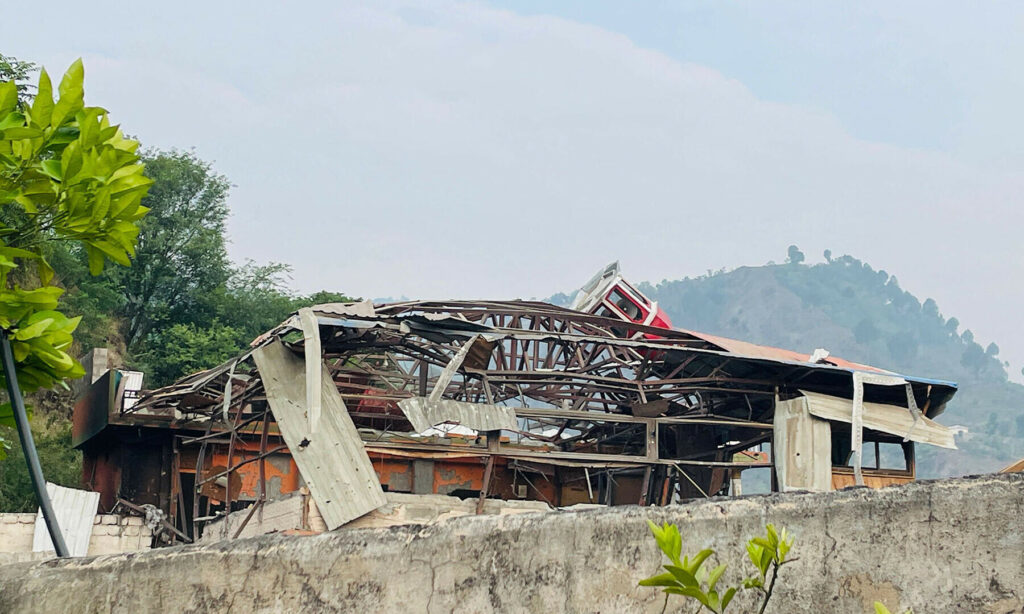
The Jammu Kashmir Democratic Freedom Party called on the people of IIOJK to observe August 15 as a Black Day, with its spokesman stating that India cannot subjugate the Kashmiri people through force, arrests, restrictions, and demolition of homes, and that India’s first Prime Minister Jawaharlal Nehru had made commitments to the people of Jammu Kashmir regarding their political future that must be honored. That reference to Nehru’s commitments is legally and historically precise. The UN Security Council resolutions on Kashmir passed between 1948 and 1957 call for a free and impartial plebiscite to determine the future of the state. Those resolutions are still on the record. They have not been rescinded. India’s argument that the matter is settled by domestic legislation has never been accepted by the Security Council.
What Changed After August 5, 2019, and What Did Not
The meaning behind the Black Day has only grown since August 5, 2019, when the Indian Union pulled IIOJK out of its special status and removed Article 370. Every year, right before Independence Day, the security situation in IIOJK is further tightened with extra troops deployed, communications monitored, and movement curbed throughout the area, marking yet another security lockdown to accompany the celebrations. A country secure in its claim to a territory does not need to lock it down on its Independence Day. India’s annual security escalation in IIOJK on August 15 is its own involuntary acknowledgment that the people it is celebrating freedom over do not share the celebration.
Seven years after the abrogation, the number of girls deprived of secondary school has grown. The domicile laws India introduced after 2019 continue to allow non-Kashmiris to acquire land in the territory. The military presence has not decreased. In 2019, the communication ban was the longest-ever internet shutdown in any democracy in the world. Black Day is observed today against that specific and documented backdrop.
A durable settlement requires addressing the aspirations of the people concerned as well as the positions of the principal parties. That is why August 15 is a significant date in the history of Kashmir. Black Day is therefore more than just an annual protest. The assertion that the people of IIOJK do not accept the political outcome imposed by India has been made for many decades.
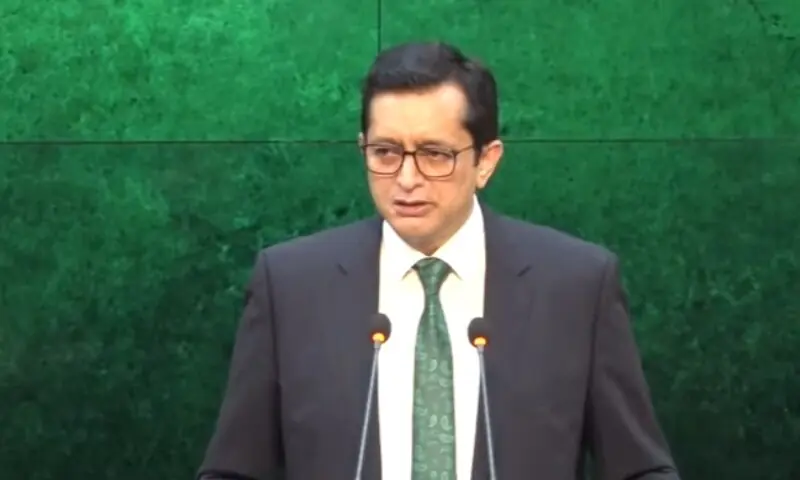
Pakistan’s ambassador stated today that the Kashmir dispute must be resolved in line with UN resolutions for lasting regional peace. That position has been Pakistan’s for 79 years. It is also the position of the UN Security Council resolutions that remain on the record. India celebrates its freedom today. Kashmiris observe their continued denial of it. The international community has the record. What it does with it determines whether August 15 remains a Black Day for another 79 years.

Our Editorial Desk is the intellectual engine of Digital Debate, responsible for the rigorous research that anchors every conversation. Our team deep-dives into data, checks every source, and consults academic literature to move beyond headlines and identify the questions behind the questions.