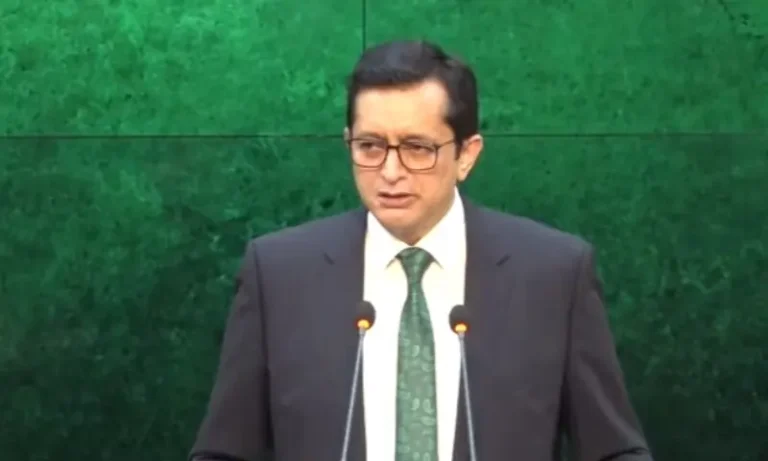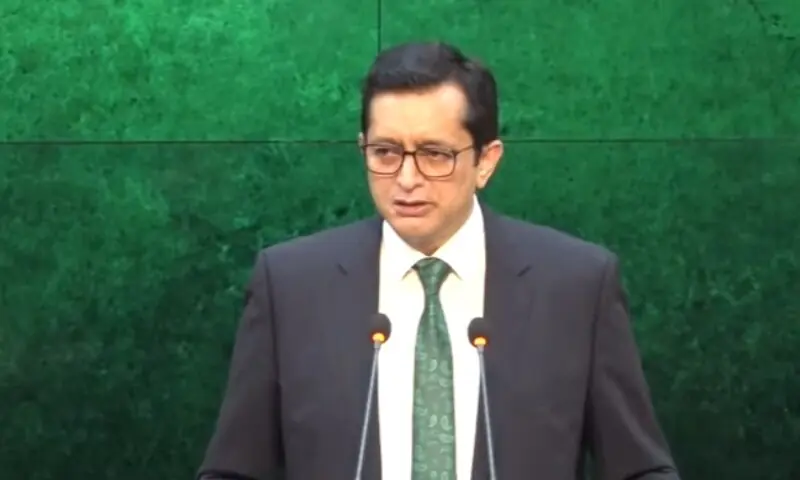
On June 11, the Government of Pakistan’s Finance Minister, Muhammad Aurangzeb, delivered the Pakistan Economic Survey 2025-26 to a room full of economists and reporters with a report card that was neither as good as the government portrayed it to be nor as bad as the critics portrayed it to be. The economy grew by 3.7% in FY26, the highest in four years, supported by 2.89% growth in agriculture, 3.5% in industry, and 4.09% in services. The growth number is real. So, are the goals that were not achieved. The GDP growth was set at 4.2%. Agriculture was set at 4.5%. Industry at 4.3%. Except for services, every single sector fell short. That is the type of broad based but under-achieving growth this economic survey represents, and that places the context for the budget being delivered later today.
The three shocks the finance minister cited are genuine. Pakistan’s external account was hit in succession by the uncertainty of global trade and tariff at the beginning of the fiscal year, two floods in August and September which caused agriculture losses of Rs 430 billion, and the regional war which broke out in late February with the closure of the Strait of Hormuz. The oil import bill increased by approximately $1 billion in April before dropping to around $500 million in May as government tax adjustments took effect. The Iran war’s energy impact will continue into the next fiscal year, and the government acknowledges it has a contingency plan but has not detailed it publicly.
The headline positives in the survey deserve recognition without exaggeration. The current account deficit fell to just $252 million in the first ten months of the year, down from $17.4 billion in FY22. Remittances reached $4.25 billion in May alone, the highest monthly figure in Pakistan’s history, and are on track to reach $41 to $42 billion for the year against a target of $39 billion. Foreign exchange reserves held by the State Bank have crossed $17.1 billion and are expected to touch $18 billion, providing three months of import cover. The fiscal deficit at 0.7 percent of GDP in the first nine months is the best nine-month performance in decades. The debt-to-GDP ratio decreased to 68.5% from 75.2% in FY23. These are structural improvements that compound over time.
The Budget That Follows Today
Against this backdrop, Finance Minister Aurangzeb will present the federal budget 2026-27 in the National Assembly today, June 12, after it had been put on hold three times due to coalition talks and IMF consultations. The total outlay is expected to be approximately Rs 18 trillion, with a development budget of more than Rs 1.1 trillion.
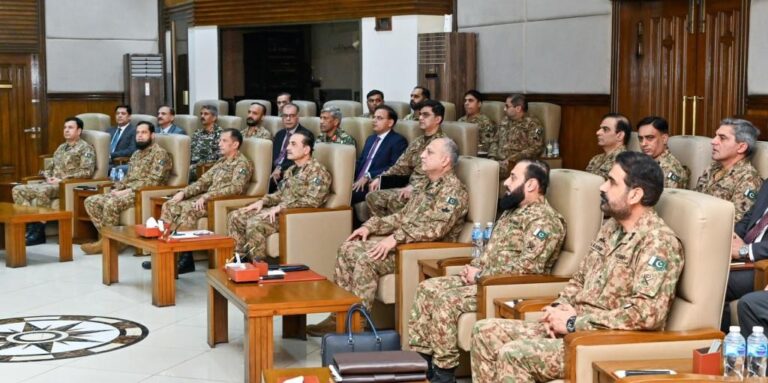
The provincial development freeze is the most politically charged part of today’s budget. This will divert more than Rs 900 billion of the provincial development funds to the Centre’s strategic requirements and the finance minister said that the agreement would remain in place for a certain period beyond one year. That confirmation matters. Provinces took the freeze as a short-term measure until the fiscal consolidation targets of the IMF program come into effect. Extending it beyond the original timeline will test the federal-provincial consensus that the NEC meeting on Tuesday produced.
Key relief measures expected in the budget include a 10% salary increase for government employees, income tax reduction for individuals earning between Rs 1.2 million and Rs 2.2 million annually, a proposed 2% cut in the super tax, and single-digit end-user interest rates for agriculture and housing for 10 years. The government also plans to announce a faceless, centralized digital tax system with no direct contact between officials and taxpayers, and a new taxation model for the 3 to 4 million small retailers currently outside the tax net. FBR recovered Rs 60 billion through digitization in the cement and sugar sectors and Rs 34 billion through AI-based audits of 800 high-risk cases this year, with both programs being expanded in the new budget.
The investment-to-GDP ratio is the most intractable issue of the survey. With 14.38% as compared to a 14.7% target, the current situation is a structural one that can be corrected only through higher saving and investment rates. The finance minister acknowledged the revenue-to-GDP ratio should be “in the high teens” against current performance that falls well short. It’s not a matter of just improving the FBR but of expanding the documented economy, something that’s not accomplished in budget cycles.
Today’s budget is being presented to an economy that absorbed three consecutive shocks and kept growing, kept its reserves above critical thresholds, and produced record remittances. The survey’s honest accounting of missed targets alongside genuine structural gains is a more useful starting point than either uncritical celebration or wholesale dismissal. The challenge for the budget ahead is whether it is sustainably built on the gains or provides a temporary reprieve that does not strengthen the fiscal position.

Our Editorial Desk is the intellectual engine of Digital Debate, responsible for the rigorous research that anchors every conversation. Our team deep-dives into data, checks every source, and consults academic literature to move beyond headlines and identify the questions behind the questions.