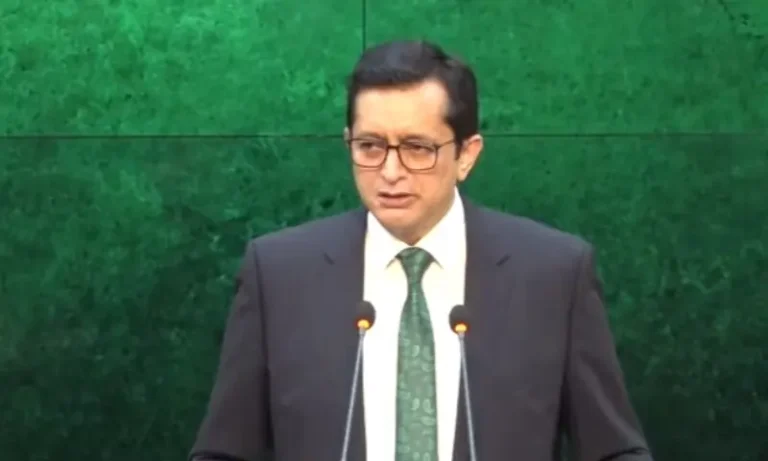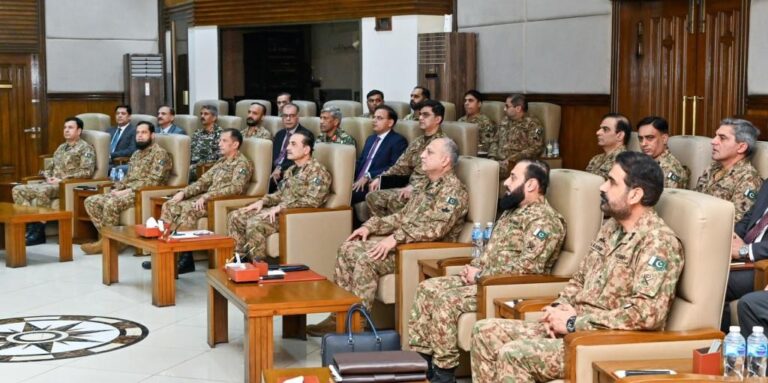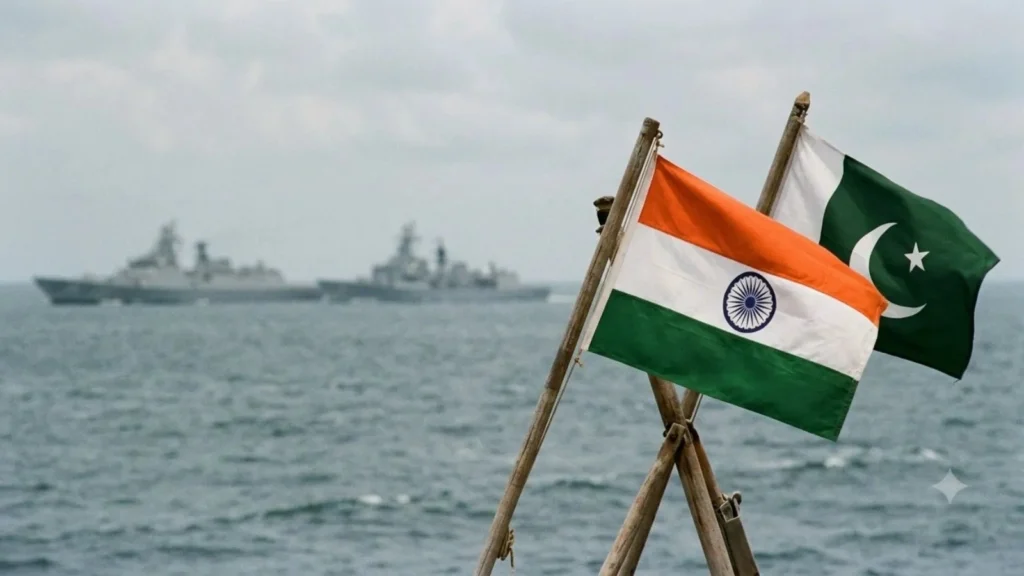
Something unusual has happened in the coverage of the Islamabad Talks. The moment Trump said he might travel to Islamabad to sign a peace deal; large parts of the media moved from reporting a process to announcing a conclusion. Channels started to speculate on dates. Accounts began leaking compositions of delegations they have no access to. The story had quietly changed from talks are progressing, to only the signing is left. That narrative is wrong. And in a negotiation this fragile, that wrongness carries real risk.
The facts on the ground tell a more complicated story. The first round of talks at the Serena Hotel lasted 21 hours and ended without agreement or even a memorandum of understanding. The two factions are still divided over the Iranian nuclear programme, the Strait of Hormuz, ballistic missiles, lifting of sanctions, and the issue of frozen assets. Iran’s Deputy Foreign Minister Saeed Khatibzadeh stated flatly at the Antalya forum that Iran will not hand over its enriched uranium to the United States, calling it a non-starter. On the same day, Iranian President Pezeshkian rejected any arrangement that deprives Iran of its nuclear rights. These are not minor procedural gaps. These are the root causes of disagreement between two parties who had spent 47 years building walls of mistrust, rather than bridges.
The ceasefire itself, the precondition for any talks to continue, has already come under strain. Iran opened the Strait of Hormuz briefly and withdrew the decision after the US continued its naval blockade. Tehran mentioned the blockade as a violation of the ceasefire. Washington termed the action of Iran as blackmail. The IRGC said that the strait was not going to be restored to its former status as long as the blockade persisted. This is not the atmosphere of a deal that is already done. This is the mood of a negotiation that is yet to be played, with several points of pressure that can destroy the process anytime.
Why Optimism and Closure Are Not the Same Thing
None of this means the process has failed. It has not. The ceasefire holds, however imperfectly. The second round of talks is being prepared, with Trump confirming US negotiators will return to Islamabad. Iranian parliament speaker Ghalibaf acknowledged that “there will be no retreat in the field of diplomacy,” even while acknowledging a wide gap remains. That matters. Neither side has walked away permanently. But optimism about intent is not the same as resolution of substance, and the media coverage has repeatedly confused one for the other.
Such high-stakes negotiations are gradual processes. They are formed by suspicion that is not immediately manifested, domestic political pressure on both parties, technical checks, and the availability of spoilers who gain advantage from the lack of peace. The main stumbling blocks include Iran’s nuclear programme, Hormuz transit, ballistic missiles, and drones. Mediators are said to have to talk to Iranian reformers, hardliners, and Revolutionary Guard leaders at the same time whenever a new US proposal is given. That takes time. Every time Trump announces, “the concept of the deal is done,” and Iran’s negotiators say the opposite within hours, the gap between headline and reality becomes visible again.
This is where Pakistan’s role deserves both recognition and honest framing. Pakistan did something really historic. It brought the United States and Iran to the same room for direct talks for the first time in 47 years. It broke a ceasefire when none seemed possible. It held that ceasefire together through Israeli violations, US blockades, and Iranian threats. The back channel has remained alive as a result of personal diplomacy by Field Marshal Munir, including meetings with Pezeshkian and Ghalibaf, and a meeting with the IRGC command in Tehran. That is a genuine achievement. What it is not is a concluded agreement. The table has been constructed and maintained by Pakistan. The parties yet remain to agree upon what is written across it.
There is one firm and reassuring reality beneath all the noise. Neither Washington nor Tehran wants to return to February 28, when the bombs started falling, and the strait closed. Such common unwillingness to revert is the most enduring ground of the peace process. Pakistan is the only player in this process with more credibility than anyone else and is determined to transform that hesitation into an agreement. The deal is within grasp. It is not yet in hand. Those two things are not the same, and treating them as such does not serve the process. It only sets up a harder fall if the next round hits another wall.

Our Editorial Desk is the intellectual engine of Digital Debate, responsible for the rigorous research that anchors every conversation. Our team deep-dives into data, checks every source, and consults academic literature to move beyond headlines and identify the questions behind the questions.