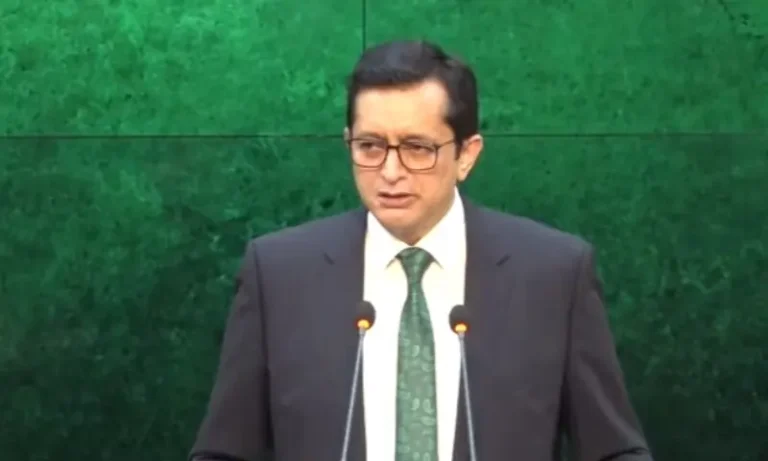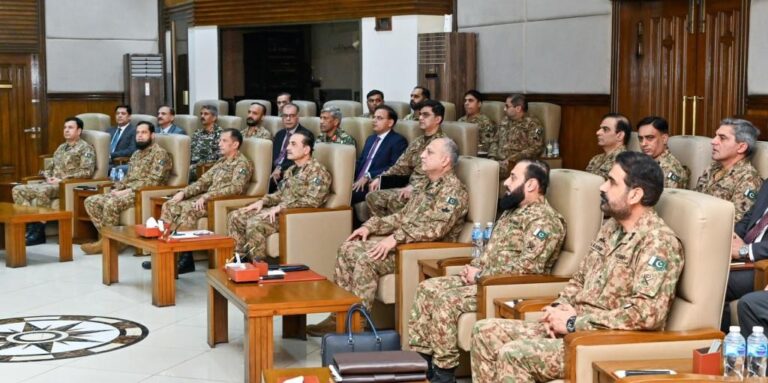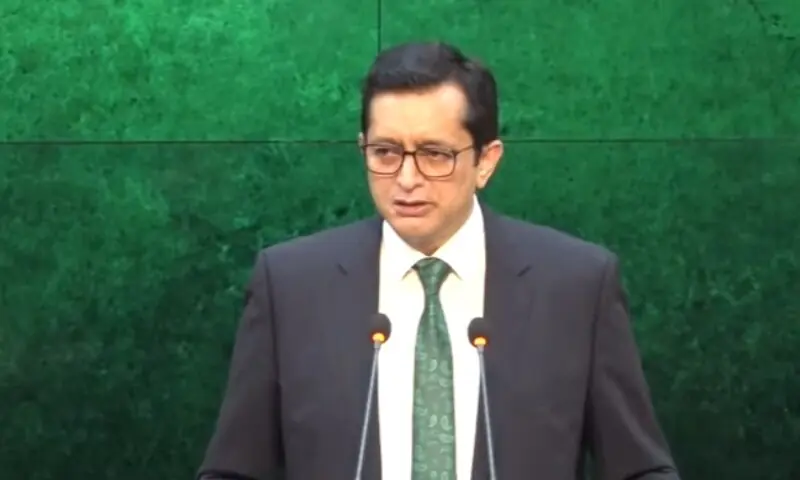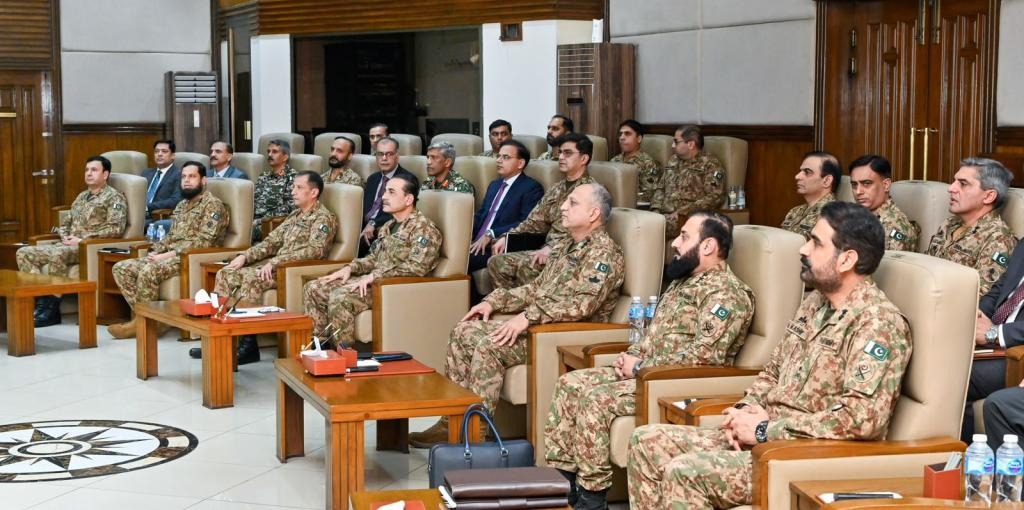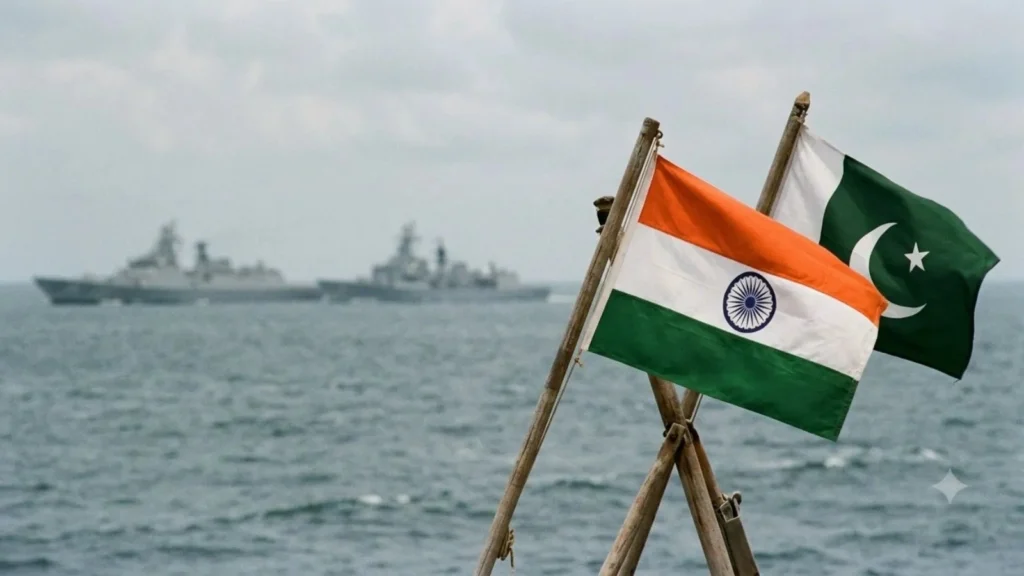
On Tuesday evening in Doha, indirect technical talks between Washington and Tehran began. A senior Iranian official confirmed to Reuters that the talks started Tuesday night and focused on frozen Iranian assets and the Strait of Hormuz. On the same day, Iran’s parliament speaker and chief negotiator Mohammad Bagher Ghalibaf said Iran is “currently not negotiating with the United States at all.” The Foreign Ministry in Qatar said there were no high-level direct talks between the US and Iran. The two sides agreed to further the talks, which were described by Qatar as making “positive progress” following the separate indirect meetings. All four statements are accurate. That is the problem.
The Doha format is intentionally designed to enable both governments to hold mutually incompatible public positions while, at the same time, talking. Iran sends officials to Qatar. The US sends officials to Qatar. Qatar and Pakistan carry messages between separate rooms. Nobody calls it a meeting, because calling it a meeting would create domestic political costs for Iranian officials who are under pressure from hardliners at home who are already calling the MOU “a document of America’s defeat.” There’s a rationale behind this format. It is not only legitimate, but often an effective way to negotiate between parties that are not in the same room to negotiate. Unlike the previous setup, it is occurring while the ceasefire is being violated in the same waterway that the talks are meant to be used to stabilize.
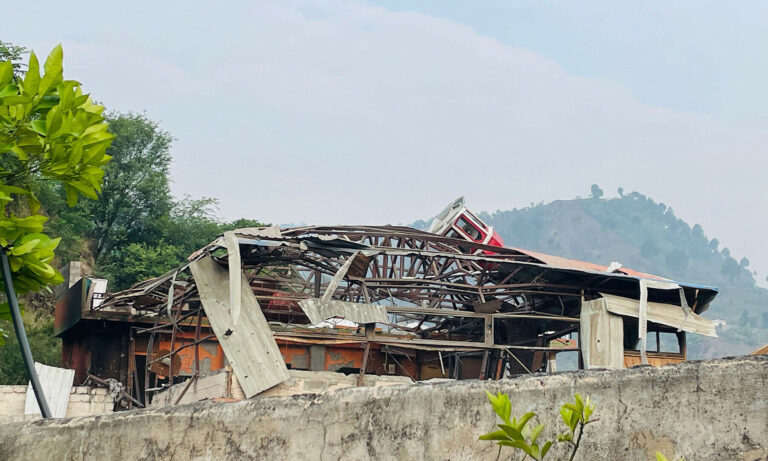
A foreign container ship on Tuesday ran aground in the Strait of Hormuz after taking a path outside the designated route by Iran. Iranian state media nearly instantly quoted it as proof of Tehran’s navigation system’s supremacy. Vessels outside its zone of activities can become targets, warned the IRGC to ship captains. Iran’s Hormuz transit system, which demands vessels coordinate with the IRGC Navy and follow a special passage under Larak Island, is working and under enforcement, while the provisions of the MOU regarding transit are discussed in Doha. The operational fault line of the talks is between what the MOU envisages with respect to free transit and what Iran is doing in the strait. So far, the talks are discussing it. The enforcement is continuing regardless.
What Each Side Needs From Doha
Direct talks at the top level are not a priority for Tehran because of the growing skepticism among its leaders. Iranian officials are asking where the frozen assets are, where Iran’s control of the strait is, and why Israel is still in Lebanon. This skepticism provides the rationale for the choice of format. Ghalibaf cannot be seen walking into a room with American envoys. He can send technical officials to Qatar to talk through Qatari interlocutors. The political cover the indirect format provides is not cynical. It is functionally necessary for the talks to continue at all.
The situation is unique for Washington. Vance told Fox News the administration would judge Tehran by actions rather than rhetoric. He also called Tehran’s rejection of direct talks a “Persian negotiating tactic” he could not comprehend. That framing is politically useful for a US domestic audience. It is not diplomatically accurate. Iran’s separation of technical talks and political talks is not a ploy. It’s a procedural position based on the MOU commitments that Washington has not met. Iran’s president told officials that Tehran was hoping for $6 billion of frozen funds as a first step. That release hasn’t occurred. Iran is not refusing to talk. It is not willing to hold talks until Washington offers Iran what it claims was promised as part of the negotiations.
Analysts warn the current arrangement amounts to less than a peace agreement and more of a temporary pause in fighting, with Iran’s ballistic missiles, drone networks, and proxy forces left out of the MOU entirely. The next meeting will be scheduled at the earliest possible time after the funeral ceremonies for Ayatollah Khamenei, who was killed in an airstrike on February 28. The ceremonies take place from July 4 to July 9 in Tehran, Qom, Najaf, Karbala and Mashhad, and are expected to be attended by as many as 20 million mourners. That pause is not a diplomatic choice. It is a domestic Iranian obligation. But it means that the 60-day final deal window, which is now on, will lose another week before the next substantive session.
Trump described the Doha meetings as “very good meetings” on Wednesday. Qatar said positive progress was made and discussions will continue. Iran said it was not negotiating with the US. All three statements were issued on the same day. The talks that are not talks are producing progress that nobody will confirm. Whether that progress translates into a final deal before the 60-day window closes depends on what happens after July 9, when Iran’s leadership emerges from the state funeral and decides whether the assets have moved, Lebanon has stabilized, and the MOU is worth defending at home.

Our Editorial Desk is the intellectual engine of Digital Debate, responsible for the rigorous research that anchors every conversation. Our team deep-dives into data, checks every source, and consults academic literature to move beyond headlines and identify the questions behind the questions.