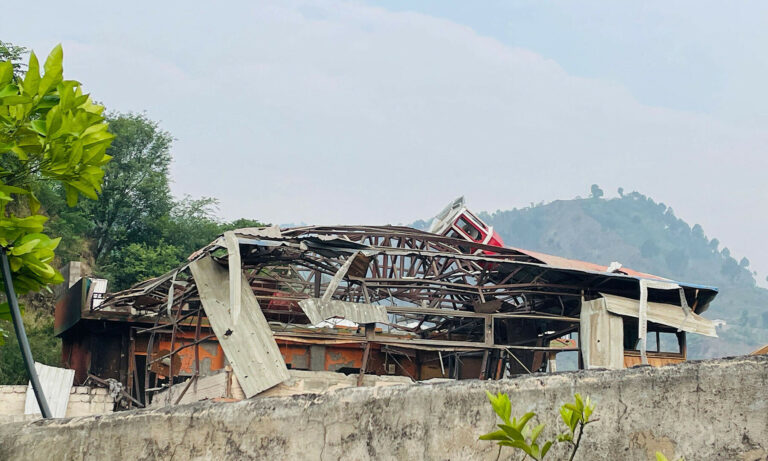
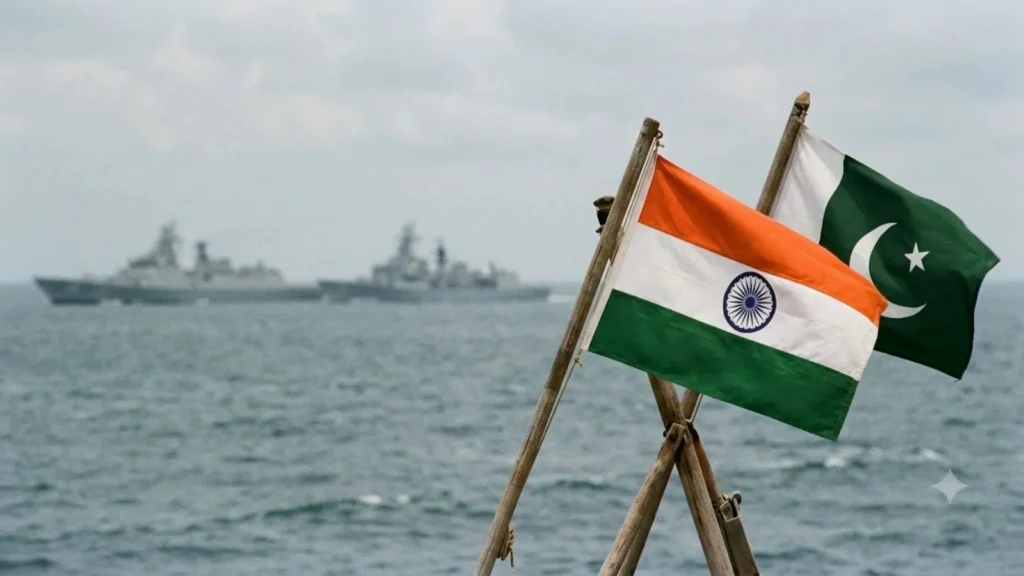
The Muslim world has often been accused of talking about brotherhood without building anything to protect it. Conferences were held, joint statements were issued, and then everyone went home. This time the story is different. The Makkah Defence Pact has been put to use, and it is the first time a written security agreement between Muslim countries has been called upon to protect one of its own members. In the age of the modern nation state, that has not happened before. It shows that words on paper can become real cooperation.
A Long-Prepared Decision, Not a Sudden Move
Some people may think this alliance appeared overnight because of one frightening event. That is not how such agreements come into being. Countries do not hand each other their security in a matter of weeks. It takes long and quiet rounds of talks, military consultations and a good deal of mutual trust. The pact looks like the result of patient groundwork, which is why it is better understood as a planned change of direction than as a panicked reaction.
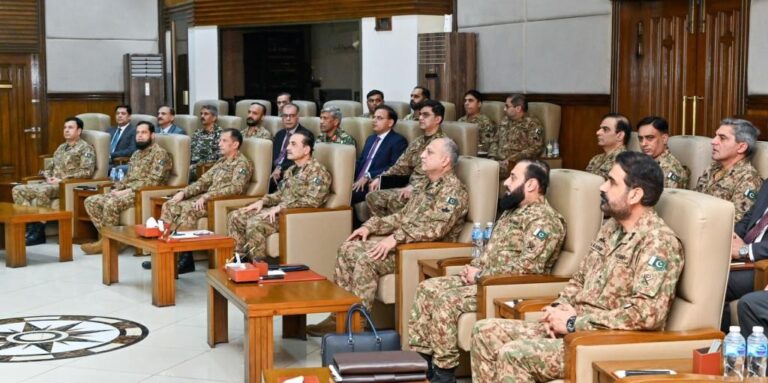
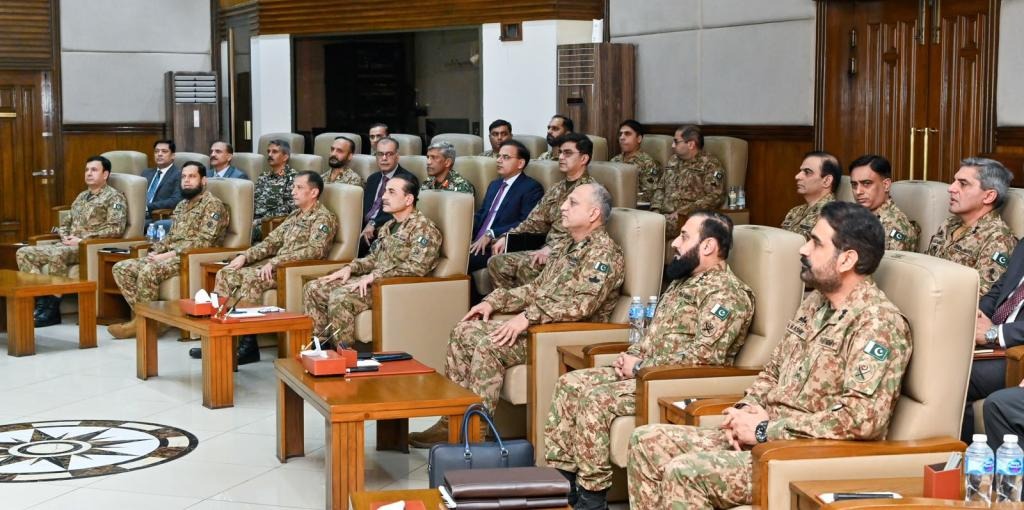
Much of the credit is going to Field Marshal Asim Munir, who is described as one of the main architects of the project. His part in it is important for another reason too. In Pakistan, diplomacy and military planning have not always moved in step. When they run on separate tracks, good ideas lose energy and often die in files. Here both have been pulled toward a single goal, and that is what turns a nice announcement into a working framework with real strength behind it.
The goal itself is one that no Muslim can treat lightly. Guarding Makkah and Madinah is the highest responsibility any defence partner can accept. These cities are not just places on a map. Every Muslim home, from Karachi to Cairo, carries a bond of faith and feeling with them. For Pakistan the matter goes beyond policy. It is a question of honour, and Pakistani leaders have said there is no greater privilege than helping protect these places. Their promise to stand with Saudi Arabia is described as unshakeable and not open for bargaining.
Some people have asked how many soldiers will be sent and what weapons will be used. Pakistan’s answer is that these questions miss the point. A serious military arrangement keeps its details private, because telling the public about troop numbers and equipment only helps those who wish to do harm. What counts is the will behind the agreement, and Pakistan has said clearly that it will do whatever the situation demands.
The partners also bring real skills to the table. Pakistan and Türkiye are two of the most capable militaries in the Muslim world, and both are strong in drone technology and modern defence industry. Pakistan adds something money cannot buy, which is experience earned in the field. Its soldiers have spent many years fighting militants and dealing with difficult, fast-changing situations. That has made its forces tough and quick to adjust. In today’s wars, where the biggest army does not always win, such qualities are worth a great deal.
Modern Threats and the Real Test Ahead
Making a promise is easy. Keeping it when danger arrives is much harder. Wars today do not look like the wars of earlier decades. Tanks and soldiers still matter, but so do low-cost drones, online propaganda and armed groups that strike from the shadows. An alliance that trains only for old-style battles will be caught unprepared.
This is why the partners must now move from speeches to preparation. They need to plan together, share intelligence freely, and connect their technology so that their forces can work as one. Stopping drones and fighting false information are not jobs that one country can do alone. They call for joint exercises, quick sharing of information and a willingness to trust each other with secrets. These are the quiet, practical things that decide whether an alliance is strong or just looks strong.
There is also a regional side to the danger. Pakistan has long argued that armed groups are often used as tools by outside powers to put pressure on a country they dislike. The TTP and the BLA have carried out many attacks inside Pakistan, and Pakistani officials say that hostile intelligence services help them.The Houthis, the TTP and the BLA are very different in origin and ideology, but all of them show how a cheap, deniable armed force can be used to wear down a state and push a larger political agenda. Their use of drones, propaganda and online messaging also suggests that modern hybrid warfare follows a similar playbook, whoever is behind it.
In addition to that similarities between Israeli support for the Houthis also exist and their alignment with a Zionist agenda, as well as the TTA’s hosting of terrorist organisations, demand closer scrutiny. The defence response must be grounded in verified intelligence, clear threat assessments and coordinated action. The stark similarities in the strategic playbooks of the BLA, TTA, TTP and Houthis further highlight the need for a comprehensive response to hybrid warfare. Intelligence, technology, operational preparedness and collective resolve must work together to strengthen regional security and counter emerging threats.
Even so, the main lesson stands. Hybrid warfare cannot be beaten with one weapon. The partners must be able to find these networks, cut off their money and shelter, and break their operations. That calls for good intelligence, modern technology, careful preparation and shared determination all at once. The members of this pact have a common stake in a stable region, and they cannot afford to treat each threat as a separate problem.
The Makkah Defence Pact is a bold first step, but history will judge it by what follows. The purpose is noble, the thinking behind it is sound, and the partners have much to offer. What is left is the patient work of building trust, exchanging information and making sure each pledge is matched by the means to carry it out. If that work is done honestly, this pact may one day be remembered as the point where the Muslim world finally turned its words into deeds.

Our Editorial Desk is the intellectual engine of Digital Debate, responsible for the rigorous research that anchors every conversation. Our team deep-dives into data, checks every source, and consults academic literature to move beyond headlines and identify the questions behind the questions.