AT A GLANCE
- Pakistan sets a security condition: Dar supports Afghanistan’s regional integration but says meaningful progress requires action on neighbors’ terrorism concerns.
- Iran proposes an energy mechanism: Araghchi called for arrangements to protect energy flows and maintain supplies during geopolitical shocks.
- Collective agreement remains the test: National statements must be distinguished from the final Islamabad Communiqué and decisions on the ECO’s 2035 framework.
What Happened
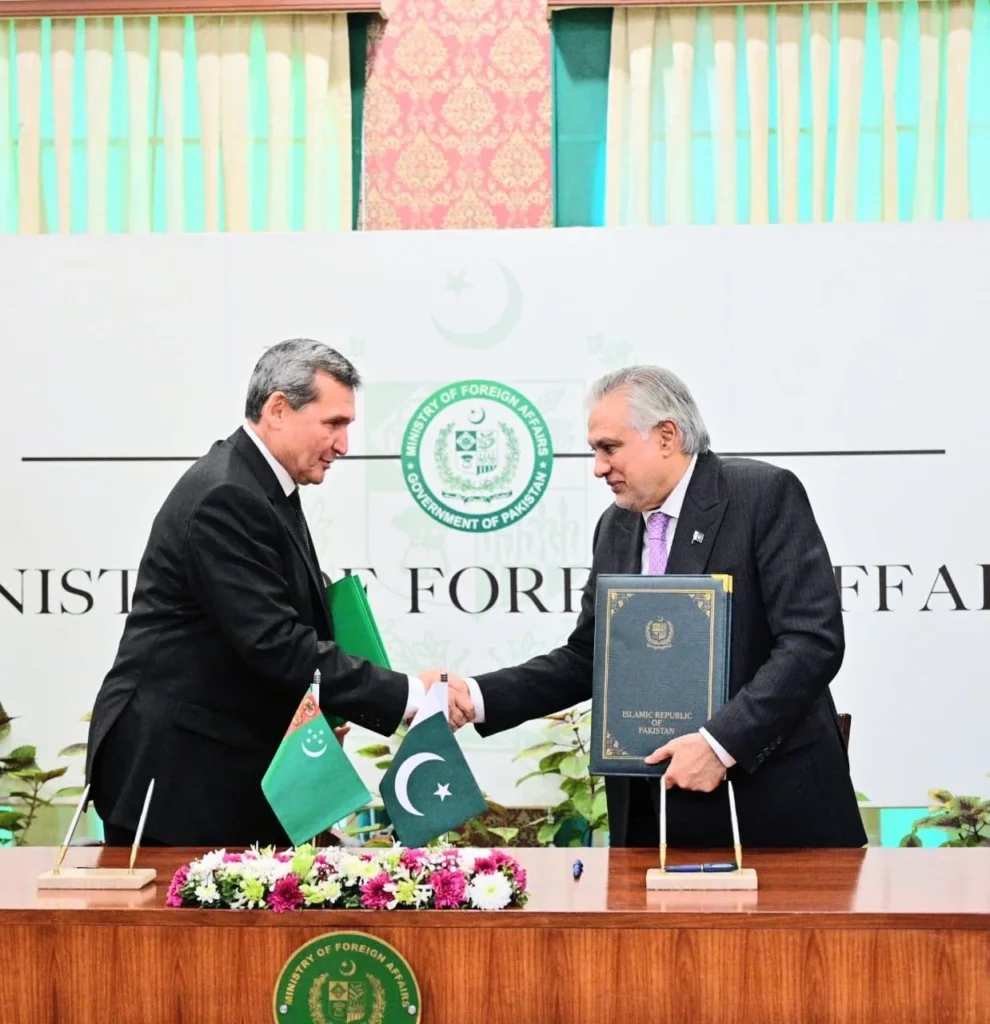
The 30th ECO Council of Ministers convened in Islamabad on Monday, following senior-official preparations on 15 November. Deputy Prime Minister and Foreign Minister Ishaq Dar chaired the ministerial session. Pakistan holds the Council’s 2026-2027 chairmanship under “Reviving Regionalism for a Resilient ECO.”
Dar outlined five priorities: trade and investment, connectivity, modernization of the ECO Trade Agreement, regional resilience and human development. His opening remarks explicitly connect economic cooperation with security, interstate trust and fulfilment of international obligations.
Iranian Foreign Minister Abbas Araghchi participated. No Afghan diplomat attended, according to reporting; claims that Afghanistan was not invited should remain attributed rather than treated as an established collective ECO decision.
Who Said What
“Meaningful progress requires the Afghan authorities to address the legitimate security concerns of the neighboring countries, particularly the threat of terrorism.”
“Regional connectivity rests on more than the routes that link us. It depends upon trust between States and confidence that international commitments will be honored.”
Ishaq Dar, Deputy Prime Minister and Foreign Minister of Pakistan
“Trade, transport and energy should constitute the three strategic pillars of ECO cooperation. Our region needs not only an independent security framework but also a reliable and sustainable regional energy mechanism to safeguard energy flows, ensure stable supplies, reduce external vulnerabilities and enhance collective resilience against geopolitical shocks and disruptions.”
Appreciated Pakistan’s diplomatic efforts during the Iran-US conflict and commended its contribution to scientific and technological cooperation through COMSTECH.
Appreciated Pakistan’s preparations and coordination as chair. Both sides reaffirmed close cooperation to implement agreed regional initiatives and the ECO Vision 2035 framework.
The Context
The Islamabad meeting brings together an economic agenda and two immediate security problems. Pakistan seeks commercially viable connections between Central Asia, South Asia and Arabian Sea ports. Its Afghan relationship, however, remains constrained by terrorism allegations and bilateral tensions. Kabul denies Pakistan’s accusations concerning militant sanctuaries.
Dar’s address preserves Afghanistan’s place in the integration agenda while making progress dependent on addressing security concerns. That is a political condition for cooperation, rather than a published operational arrangement for reopening or protecting particular routes.
Iran’s intervention introduces a separate challenge: energy continuity during regional conflict. Araghchi blamed US and Israeli actions for Gulf insecurity and advocated regionally owned security arrangements. Those are Tehran’s positions. His energy proposal should be assessed separately for practical content and potential support from other members.
Preparations for the 2035 strategic framework also predate this meeting. Turkmenistan’s official account describes the completed document as awaiting ministerial approval. Final adoption and implementation provisions require confirmation from the outcome text.
Reading the Statements
- Security conditions the connectivity offer: Islamabad wants regional integration to generate cooperation on threats affecting route reliability.
- Commercial viability receives explicit attention: Dar’s emphasis on customs, border management and predictable transit moves beyond infrastructure announcements.
- Trade reform provides common ground: Pakistan supports modernizing ECOTA; Araghchi welcomed the technical negotiating committee for its revision.
- Energy cooperation is a proposal, not a guarantee: Araghchi identified a regional need without announcing allocated supplies, financing or operating procedures.
- Partner appreciation has limits: Recognition of Pakistan’s diplomacy does not establish agreement on its Afghan conditions or Iran’s security interpretation.
What Would Turn Positions into Results?
These are analytical benchmarks, rather than outcomes already secured.
| Policy area | Practical requirement | Evidence to seek |
|---|---|---|
| Afghan transit | Security dialogue alongside predictable commercial procedures | Named channels, agreed steps and review dates |
| ECOTA reform | Sustained technical negotiations | Work programme, participating states and milestones |
| Energy resilience | Assessment of routes, supply options and financing | An authorized technical mechanism |
| 2035 framework | Implementation responsibilities and resources | Adopted text and reporting arrangements |
Why It Matters
- For Pakistan: Transit ambitions depend on partners’ confidence in security, procedures and continuity.
- For Central Asian members: Access to maritime markets requires dependable arrangements across every transit jurisdiction.
- For Iran: The ECO offers an economic platform for advancing energy cooperation amid disruption.
- For diplomatic partners: Specific technical mandates would provide clearer engagement opportunities than general endorsements.
What to Watch
The Final Islamabad Communiqué
Whether security and energy proposals become collective commitments.
ECOTA and Framework 2035
Adoption status, negotiating instructions and implementation deadlines.
The Afghan Track
Any authorized follow-up addressing security and transit together.
Energy Follow-Through
Whether Araghchi’s proposal generates technical work. His supplied speech identifies 4 December in Tehran as the next summit milestone; this should remain distinct from separate reporting about a Pakistan-hosted summit in 2027.
The Unsigned Guarantee: Regional Facilitation and Multilateral Energy Corridors ↗

Our Editorial Desk is the intellectual engine of Digital Debate, responsible for the rigorous research that anchors every conversation. Our team deep-dives into data, checks every source, and consults academic literature to move beyond headlines and identify the questions behind the questions.