On 5 October 2026, the International Criminal Court made public its arrest warrants for two more Taliban officials: Education Minister Habibullah Agha and Higher Education Minister Neda Mohammad Nadim.
That brings the number of ICC warrants for Taliban officials to four. Supreme Leader Haibatullah Akhundzada and Chief Justice Abdul Hakim Haqqani have been publicly wanted since July 2025. All four face allegations of persecuting women and girls. The harder question is whether anyone can enforce the warrants.
All four officials are accused of the crime against humanity of persecution. The alleged persecution was carried out on gender grounds against women, girls and people whose gender identity or expression did not conform to Taliban policy.
The ICC also cited political persecution against people perceived as “allies of girls and women.”
Why the charge is persecution
Since the Taliban returned to power on 15 August 2021, Afghan women and girls have faced severe restrictions on education, employment, movement, expression and public life.
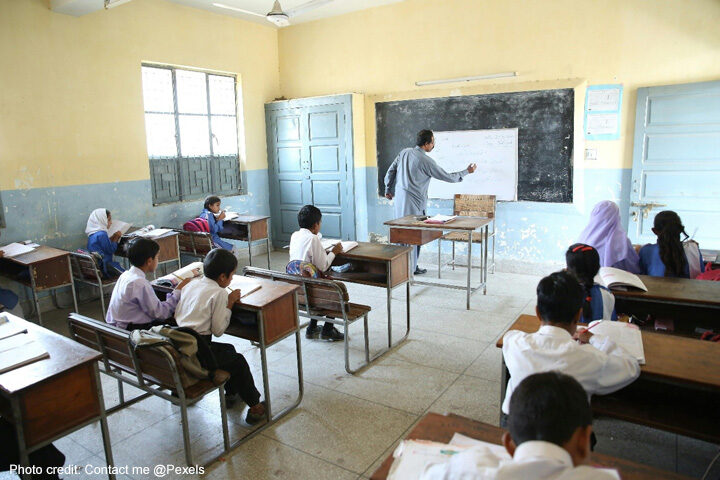
Girls are barred from school beyond the sixth grade. Women are excluded from universities, many jobs and many public spaces.
The judges treated these restrictions as part of a broader government policy, not as isolated administrative decisions. They found reasonable grounds to believe the policy caused severe violations of fundamental rights. They also referred to conduct connected with imprisonment, torture, rape, murder and enforced disappearance.
That does not mean the four officials have been convicted of those offences. The warrants concern persecution as a crime against humanity. The other abuses explain the context and seriousness of the alleged persecution.
The alleged victims include women and girls, people whose gender identity or expression the Taliban rejects, and people seen as supporting women and girls.
For example, a teacher who keeps a girl in class or a doctor who treats women could be viewed as an ally and face serious risk.
What the warrants mean legally
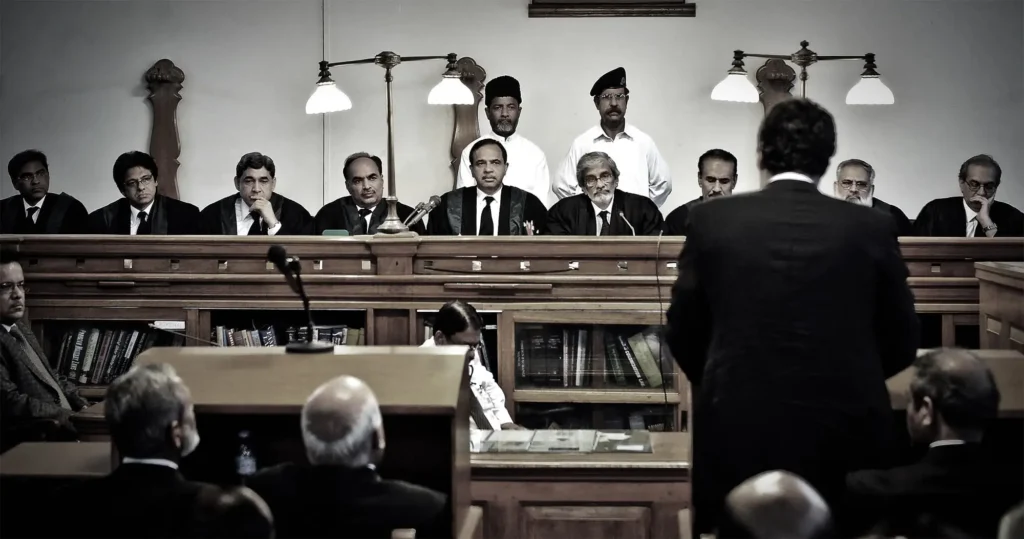
The Pre-Trial Chamber issued the warrants after finding reasonable grounds to believe the four suspects may be criminally responsible. That is not a conviction. The suspects can challenge the allegations, and the prosecution would have to meet the required standard of proof at trial.
The alleged crimes cover the period from 15 August 2021 until at least 20 January 2025. The court also said that gender under the Rome Statute goes beyond biological sex and includes the social roles, expectations and hierarchies tied to gender.
Afghanistan joined the Rome Statute in 2003, which gives the ICC jurisdiction over crimes in its mandate committed on Afghan territory. The Taliban rejects the court’s action, but that rejection does not cancel the warrants or remove jurisdiction.
The enforcement problem
The ICC has no police force. It relies on states to arrest suspects and transfer them to The Hague. A warrant can matter legally and still be hard to enforce.
None of the four officials has been arrested. Arrest is unlikely while they hold power in Kabul. The ICC generally cannot hold a trial in absentia, so proceedings stall unless the suspects are arrested or otherwise brought before the court.
The warrants still have effects. If any of the four travels to a Rome Statute state, that state is expected to arrest and surrender them. Governments that host or meet them can face legal and reputational criticism. The unsealing also completes the public record of the allegations, which will remain even if the political situation changes.
What happens next for the ICC warrants
Gender persecution has been in the Rome Statute since 1998. What makes this case significant is the application of that provision to an alleged systematic policy imposed by a ruling authority across a whole country.
The warrants will not reopen schools or restore women’s jobs. Their impact depends on whether governments cooperate with the ICC, protect witnesses, support documentation of abuses, refuse diplomatic cover to the suspects and keep pressing for the rights of Afghan women and girls.
Without that follow-through, the unsealing may stay an important legal statement with little immediate change for the people it is meant to protect.

Our Editorial Desk is the intellectual engine of Digital Debate, responsible for the rigorous research that anchors every conversation. Our team deep-dives into data, checks every source, and consults academic literature to move beyond headlines and identify the questions behind the questions.