Pakistan’s debate on new provinces often starts with one question: “Can we afford it?” It is a fair question, but it misses the main point. The real aim is to bring government closer to people and make it work for them. A province should serve citizens, not feed a large bureaucracy.
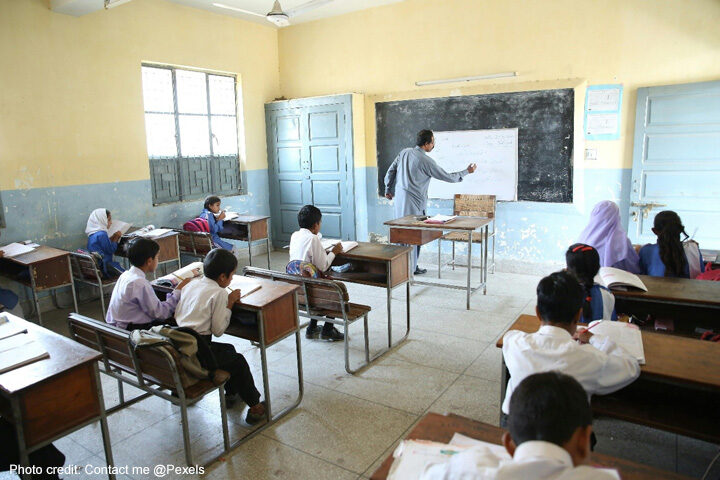
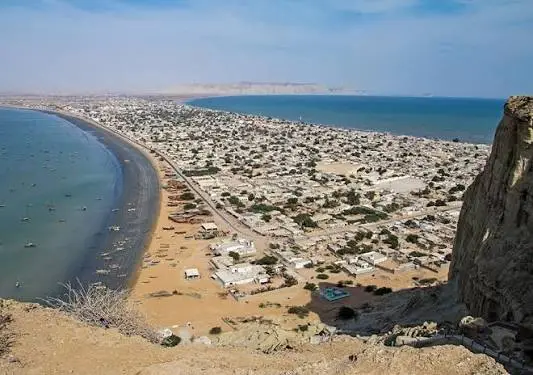
Punjab has more than 120 million people, which is more than most countries in the world. Sindh, Khyber Pakhtunkhwa and Balochistan are also huge in area, and some districts sit hundreds of kilometers from the provincial capital. For a villager in a far corner, the capital is another world. To solve a land dispute, get a school fixed or follow up on a hospital budget, he must travel long distances and wait in long queues. This costs him money, time and dignity. It is a real cost, and the citizen pays it every day.
Critics say new provinces mean new assemblies, new secretariats and new salaries. In the early years, some setup cost is true. But we should also look at what we already pay for. Large provinces need many layers of officers to manage distant areas. Files travel from district to division to capital and back. Each step adds delay, paperwork and room for waste. When a province is smaller, the chain is shorter. Fewer layers mean fewer files, fewer middlemen and faster decisions.
Smaller units are also easier to audit. It is much simpler to track money in a province of 20 million than in one of 120 million. When officials know the public is watching closely, leakage and corruption become harder to hide. Even a small cut in waste can pay for the new structure.
The key rule is simple: new provinces must be built lean. We should not copy the old, heavy model. Smaller assemblies, smaller cabinets and shared services can keep running costs low. Existing buildings and staff can be reused. The money saved should go to schools, clinics, roads and clean water. If a new province only creates more offices and more perks, it will fail. The test of success is clear: does the common person get better service at lower cost?
Local people also know local problems best. Officials in a distant capital cannot understand every district’s needs. A flood-hit area, a dry region and a crowded city all need different plans. A smaller province can see its own problems clearly and respond faster. Local leaders are easier to reach and easier to hold accountable. If a minister is only a short drive away, citizens can raise their voice and expect an answer. This is the real meaning of empowerment: power that sits near the people, not far above them.
Many regions feel ignored because they are far from the center of power. A smaller province gives them their own budget, their own priorities and their own identity. When people feel the system belongs to them, they trust it more. Trust is valuable, and it makes the whole country more stable.
Creating new provinces is a serious step, and it should be done with care, honesty and public consent. Boundaries should be based on administrative sense and public need, not political games. Costs should be openly published and reviewed. Every rupee spent should be explained to the public.
If done right, smaller provinces can cost less, deliver more and bring government to the people’s doorstep. The goal is not to build a bigger state. The goal is to build a state that listens. Pakistan does not need more bureaucracy. It needs more empowered citizens, and smaller, leaner provinces can be a step in that direction.
Read more: https://digdebate.com/new-provinces-pakistan-smaller-units-governance/

Our Editorial Desk is the intellectual engine of Digital Debate, responsible for the rigorous research that anchors every conversation. Our team deep-dives into data, checks every source, and consults academic literature to move beyond headlines and identify the questions behind the questions.