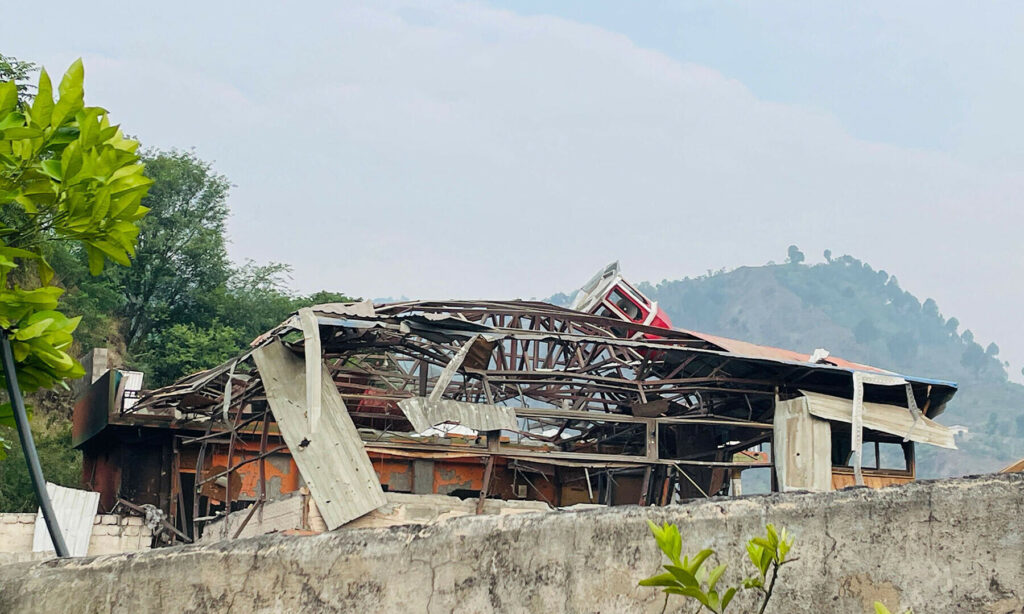
A fresh Pakistan-India information dispute emerged after an Indian security operation in Budgam, Indian Illegally Occupied Jammu and Kashmir, on 29 September 2026.
The Indian Army’s Chinar Corps announced that a militant had been “neutralised” during a joint operation. Indian authorities subsequently identified the deceased as Mohammad Asif alias Hashim Moosa, describing him as a Pakistan-based Lashkar-e-Taiba operative and linking him to attacks in Jammu and Kashmir.
From Militant Claim to ‘Former SSG Commando’
The narrative expanded significantly in Indian media reporting. Reports citing unnamed security-agency sources claimed that the deceased was not simply a Pakistan-based militant but a retired Pakistan Army Havildar and former Special Services Group commando.
The reports circulated unusually specific details: a date of birth of 7 March 1980, service number PA-3106947, induction into 4 Commando “Yalgar” in 2005, participation in operations in Balochistan and alleged service on former President Pervez Musharraf’s VVIP security detail between 2006 and 2009.
Crucially, these additional biographical claims were attributed in media reports to unnamed security sources rather than forming part of the initial Indian Army announcement.
Pakistan Produces Mohammad Asif Alive
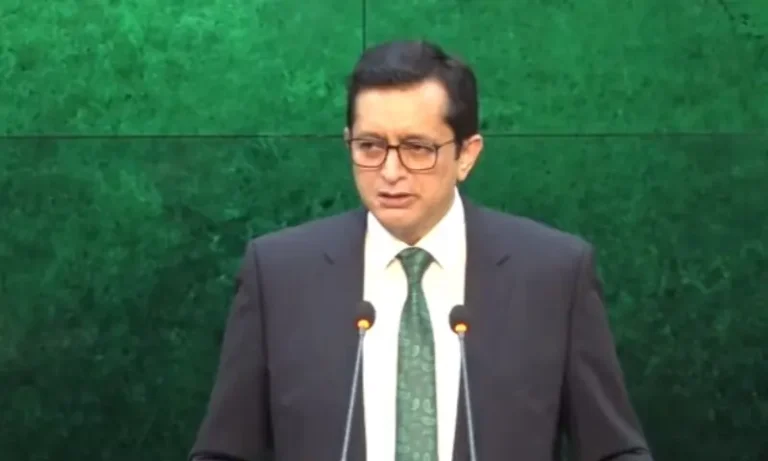
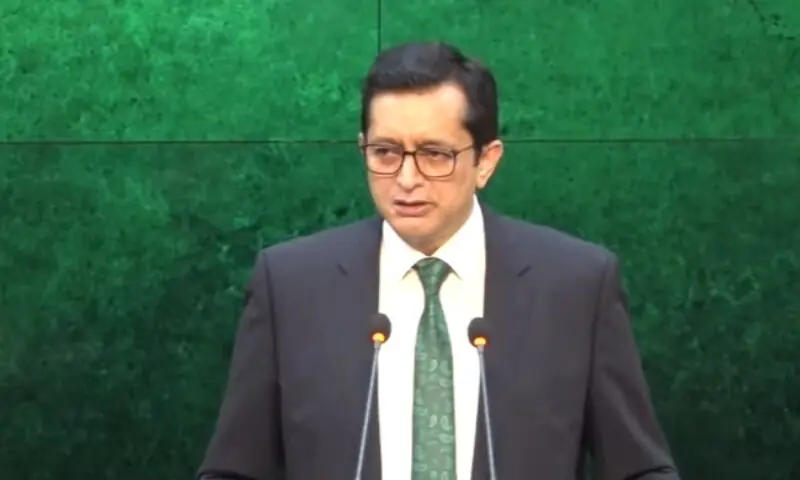
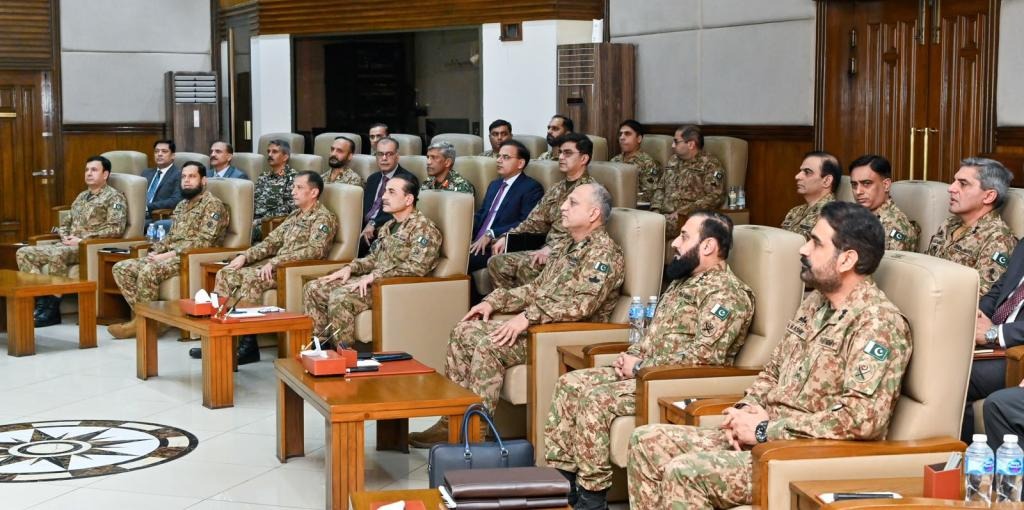
Pakistan responded dramatically on 1 October. During a press conference, DG ISPR Lt Gen Ahmed Sharif Chaudhry presented retired Havildar Mohammad Asif before journalists, challenging Indian reporting associating the retired soldier’s identity with the person reportedly killed in Kashmir.
Asif said he was from Pindi Gheb in Attock district and was currently living with his family in Rawalpindi. He stated that he joined the Pakistan Army in 2000 and retired from the SSG in 2020.
His physical appearance at the briefing directly challenged claims that this particular retired Pakistani soldier had been killed in the Budgam encounter.
‘Indian Numbers Were Calling Me’
Asif added another dimension to the controversy by claiming that he had received repeated telephone calls from Indian numbers before the reports emerged.
According to his account, callers attempted to obtain his personal information, prompting him to repeatedly block the numbers. He said friends subsequently contacted him after seeing social-media reports claiming that the Indian Army had killed him in Kashmir.
Asif rejected the allegations circulated about him as fabricated.
But Who Was Actually Killed in Kashmir?
Pakistan’s presentation of Asif raises an important question about the identity of the individual killed in Budgam, but it does not independently establish who that deceased person was.
Indian authorities maintain that the man killed was Hashim Moosa/Asif Fauji, whom they describe as a Pakistan-based LeT operative. Pakistan’s presentation instead challenges the apparent linkage between that alleged militant and the biographical details of retired Havildar Mohammad Asif.
The central factual question is therefore whether Indian reporting conflated two different individuals, and if so, how the retired soldier’s personal and military information became associated with the Budgam encounter.
DG ISPR Calls It a ‘False Flag’
Lt Gen Ahmed Sharif went beyond disputing the identity and described the episode as an alleged Indian “false flag” operation.
According to Pakistan’s position, India periodically constructs such narratives to divert international attention from allegations concerning human-rights violations in Kashmir and the treatment of minorities inside India. The DG ISPR compared the episode with Pakistan’s allegations surrounding earlier incidents, including Pulwama and Pahalgam.
These assertions represent Pakistan’s stated position and interpretation; India’s characterization of the security operation and Pakistan’s allegations about its motives remain competing claims.
India, Afghanistan and the Terrorism Allegations
The briefing then widened from Kashmir to the regional security environment. DG ISPR accused India of using terrorism and militant proxies as instruments of state policy, citing India’s historical support for the Mukti Bahini and alleging contemporary Indian support for the banned TTP.
He also linked Pakistan’s concerns about terrorism originating from Afghanistan with alleged Indian involvement. Pakistan has repeatedly accused Afghanistan-based militant groups, particularly the TTP, of conducting attacks inside Pakistan and has alleged external sponsorship. Kabul and New Delhi dispute key elements of Islamabad’s accusations.
Warning Against Indian ‘Adventurism’
The strongest message from the briefing concerned the possibility of another military confrontation.
DG ISPR warned that Pakistan was prepared for any Indian attempt at what he described as another “false flag” or military adventurism. He said any such action would receive a “painful and crushing” response.
His remarks reflected the continuing intensity of Pakistan-India tensions, where militant attacks, Kashmir, military operations and accusations of proxy warfare can quickly escalate from information disputes into broader security confrontations.

Our Editorial Desk is the intellectual engine of Digital Debate, responsible for the rigorous research that anchors every conversation. Our team deep-dives into data, checks every source, and consults academic literature to move beyond headlines and identify the questions behind the questions.